
Across the globe, scientific labs are increasingly facing intricate biosafety challenges. Whether in clinical diagnostics, university research, or field testing, maintaining stringent contamination control is paramount. In this context, the role of reliable lab sterilization equipment cannot be overstated. Enter the Micro Incinerator or Infrared Inoculating Loop Sterilizer—an innovative solution that addresses the workflow demands of modern laboratories.
The Need for Effective Laboratory Sterilization
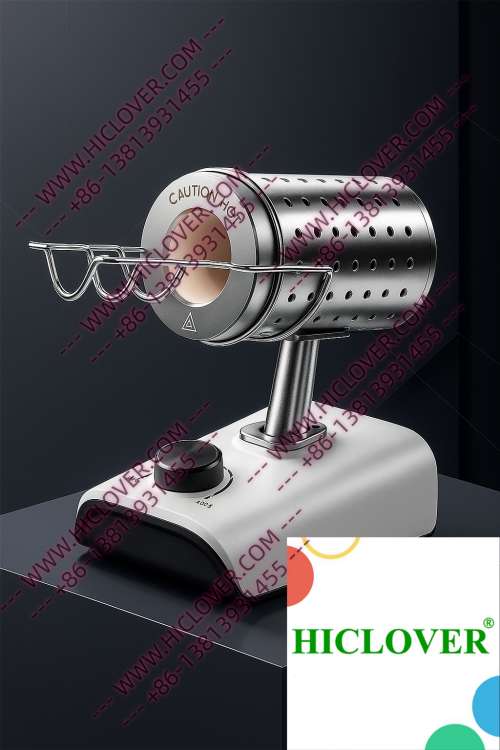
Laboratories, especially those operating at BSL-2 and BSL-3 levels, must implement robust sterilization methods to prevent the risk of contamination. Traditional flame sterilizers, such as Bunsen burners and alcohol lamps, have been the go-to choices but come with significant limitations. The inherent risk of flames in cleanrooms undermines sterilization integrity and can create safety hazards. In contrast, high-precision lab sterilizers like the Micro Incinerator deliver rapid thermal sterilization in a user-friendly, safe format.
Technical Principles Behind the Micro Incinerator
The Micro Incinerator employs infrared heat generated within an enclosed ceramic tube, allowing for high-temperature disinfection without the convective airflow associated with traditional flame methods. This configuration not only ensures rapid heat-up times but also creates a focused heat source that is ideal for precise sterilization of inoculating loops, needles, and other tools used in microbial cultures.
Advantages Over Traditional Flame Sterilizers
- Clean-bench-safe: Eliminates contaminants released by open flames.
- Aerosol-free handling: Provides a safer environment, minimizing inhalation risks.
- Temperature control: Features adjustable heat settings for varying sterilization needs.
- Energy-efficient: Rapid heating reduces waiting times and saves power.
Applications of the Micro Incinerator in Real Labs
1. University Teaching Labs
University laboratories often encounter challenges in managing sterilization in a classroom setting. The Micro Incinerator supports hands-on training in microbiology courses by providing a simple and effective method for sterilizing equipment without the need for cumbersome alcohol flames. Students gain proficiency with an essential tool as they learn the processes of inoculation and culturing.
2. Clinical Diagnostics
In clinical laboratories, where swift and reliable microbiological analysis is critical, the sterile handling of samples is vital. The Micro Incinerator’s compact design allows it to be used within biosafety cabinets, ensuring compliance with WHO biosafety standards. This configuration enhances the laboratory’s ability to handle pathogens safely while minimizing the introduction of aerosols that could lead to cross-contamination.
Compliance with Biosafety Standards
When it comes to laboratory operations, compliance with regulatory guidelines is non-negotiable. WHO guidelines recommend stringent practices for laboratory sterilization to ensure the safety of personnel and prevent environmental contamination. Unlike traditional flame sterilizers, which pose fire hazards and potentially compromise cleanroom conditions, the Micro Incinerator fits seamlessly into laboratory designs where biosafety is a priority. Moreover, it adheres to lab sterilization standards such as ISO 15378 for pharmaceutical laboratories, enabling users to meet rigorous compliance requirements.
Why Choose a Micro Incinerator?
Choosing a Micro Incinerator offers numerous advantages. With its advanced sterilization capabilities, the device offers reliability, safety, and efficiency—all critical components of a modern laboratory operation.
| Feature | Micro Incinerator | Traditional Flame Sterilizers |
|---|---|---|
| Heat Source | Infrared, enclosed | Open flame |
| Safety | No flame hazards | High risk of fire |
| Contamination Risk | Minimal aerosol generation | Potential for aerosol spread |
| Energy Efficiency | Rapid heating, low power consumption | Slower, variable power use |
FAQs on Micro Incinerators
1. What materials can be sterilized using a Micro Incinerator?
The Micro Incinerator is primarily designed for sterilizing inoculating loops, needles, and other laboratory tools made from heat-resistant materials.
2. Is it safe to use a Micro Incinerator in a biosafety cabinet?
Yes, it is designed to be used in biosafety cabinets, complying with safety protocols to minimize contamination risks.
3. How quickly does a Micro Incinerator reach sterilization temperature?
Typical heat-up times are remarkably fast, often within seconds depending on the model and specific settings chosen.
4. Why is infrared heat preferred over open flames for sterilization?
Infrared heat minimizes the release of aerosols, reduces the risk of fire, and provides controlled, direct heating ideal for precision sterilization.
5. Can a Micro Incinerator improve laboratory workflow efficiency?
Absolutely! It streamlines sterilization processes, reduces downtime, and enhances safety, contributing to a smoother laboratory workflow.
Conclusion
As laboratory environments demand ever-higher standards of safety and efficiency, the Micro Incinerator emerges as a vital ally in the quest for reliable sterilization. Its advanced design reduces risks while enhancing contamination control, making it an essential tool in both teaching labs and clinical settings alike. For laboratories seeking to modernize their sterilization approach, the Micro Incinerator is a forward-thinking choice that aligns with current biosafety standards. Contact us today to learn more or to make a purchase. Elevate your laboratory’s performance with cutting-edge sterilization technology!
Categories:
Tags: