
In laboratories around the world, the need for effective biosafety measures is paramount. Researchers, educators, and healthcare professionals face daily challenges regarding contamination control and sterilization workflows. Particularly within microbiology, clinical diagnostics, and teaching labs, efficient sterilization of inoculation loops, needles, and other tools is crucial for reliable results and overall safety. Among the various sterilization technologies available, the Micro Incinerator, or Infrared Inoculating Loop Sterilizer, emerges as a standout solution that addresses these pressing demands with advanced technology.
Understanding the Micro Incinerator’s Technical Principles
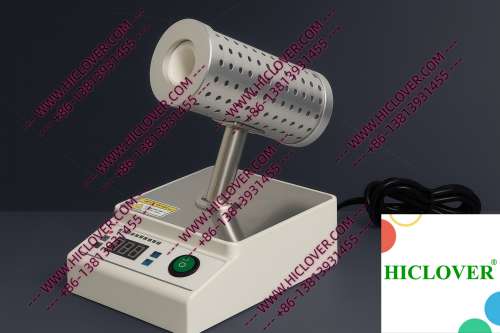
The Micro Incinerator operates on the principle of rapid thermal sterilization using infrared heat. Unlike traditional flame-based methods, such as alcohol lamps and Bunsen burners, which can be cumbersome and potentially hazardous, the Micro Incinerator utilizes a closed ceramic heating chamber to ensure thorough sterilization without the dangers of open flames and fumes. This enclosed system drastically reduces the risk of operator exposure to aerosols and provides a more controlled environment for sterilization.
This device typically consists of:
- Ceramic Tube: The core component that retains and radiates heat effectively, ensuring rapid sterilization.
- Compact Design: Lightweight and portable, making it suitable for various laboratory settings.
- Infrared Heating Elements: These elements facilitate high-temperature disinfection while minimizing energy consumption.
- OSHA regulations for occupational health.
- CDC and WHO guidelines on laboratory safety.
- ISO standards for cleanroom environments.
Applications of Micro Incinerators in Real Laboratories
The versatility of the Micro Incinerator makes it an ideal solution for several laboratory environments:
1. Biosafety Cabinets
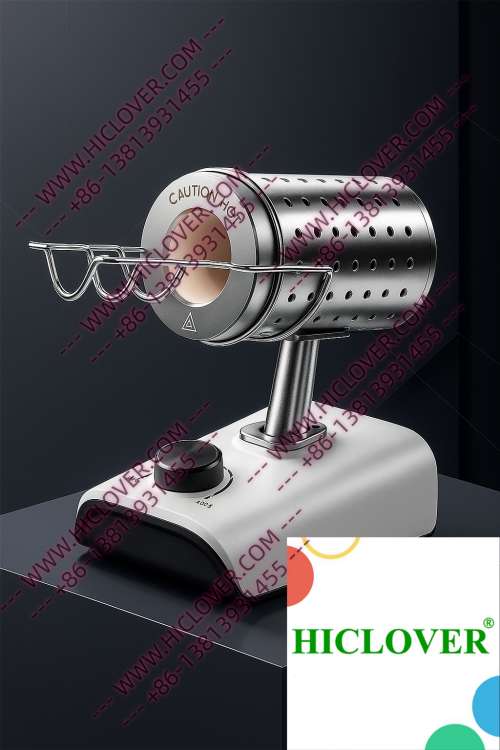
In BSL-2 and BSL-3 microbiology labs, maintaining strict sterile conditions is crucial. The Micro Incinerator’s ability to deliver safe, flame-free sterilization makes it an excellent choice for use inside biosafety cabinets. This sterile workspace allows microbiologists to manipulate specimens without risking contamination. The rapid heating mechanism ensures that inoculating loops and needles can be quickly sterilized, allowing for efficient workflows and minimizing turnaround times.
2. Teaching Laboratories
University teaching labs often serve as training grounds for future scientists. Here, the Micro Incinerator’s user-friendly operation offers an excellent platform for students to learn proper inoculation techniques while following laboratory safety standards. Its inherent safety features remove the friction of using flame-based devices, thus upfronting safety in education.
Biosafety Compliance and Environmental Considerations
Health organizations, including the WHO, have established stringent biosafety guidelines and laboratory sterilization standards. The Micro Incinerator is compliant with these regulations, further ensuring laboratories can maintain high safety levels.
One significant advantage of the Micro Incinerator is its utility in clean rooms, where open flames pose extensive risks. Incorporating infrared sterilization technology means that contamination risks due to smoke and combustion are eliminated, ensuring compliance with a variety of laboratory and environmental standards such as:
This focus on compliance also emphasizes the importance of transitioning laboratory equipment away from traditional flame-based systems, showcasing how infra-red powered devices like the Micro Incinerator represent the future of safe and efficient sterilization.
Micro Incinerator vs. Traditional Flame Sterilizers
| Feature | Micro Incinerator | Traditional Flame Sterilizers |
|---|---|---|
| Type of Sterilization | Infrared Heat | Open Flame |
| Safety | High; no open flames | Moderate; risks of burns and combustion |
| Efficiency | Rapid | Variable; depends on flame control |
| Portability | Compact and portable | Bulkier and less portable |
| Environment | Clean and smoke-free | Produces soot and risks contamination |
FAQs
What are the key benefits of using a Micro Incinerator over traditional flame sterilizers?
The key benefits include enhanced safety due to the absence of open flames, rapid sterilization capabilities, and reduced contamination risks, making it ideal for labs with stringent biosafety requirements.
Can the Micro Incinerator be used in field testing labs?
Yes, due to its portability and compact design, it is an excellent choice for field testing labs where rapid and efficient sterilization is needed in various environments.
How do I ensure compliance with biosafety regulations when using the Micro Incinerator?
Ensure regular maintenance of the device, follow operational guidelines, and utilize the sterilizer in environments that meet WHO and OSHA regulations for biosafety.
Is the Micro Incinerator suitable for teaching laboratories?
Absolutely! Its user-friendly operation and safety features provide a perfect learning tool for students while maintaining lab safety protocols.
What types of sterilization tasks can a Micro Incinerator perform?
It is primarily used for sterilizing inoculating loops, needles, and other small laboratory tools efficiently, ensuring high temperature disinfection.
Conclusion
As laboratories strive to enhance efficiency and ensure the highest safety standards, the Micro Incinerator stands out as a dependable ally in the quest for effective sterilization. By integrating this innovative device into your laboratory practices, you’ll not only meet— but exceed compliance standards, streamline workflows, and maintain contamination control. If you’re interested in exploring how the Micro Incinerator can enhance your sterilization capabilities, feel free to reach out for more information or to discuss purchase options.
Categories:
Tags: