
In today’s demanding laboratory environment, professionals face critical challenges associated with biosafety, contamination control, and sterilization workflow. Laboratories, particularly those operating within BSL-2 and BSL-3 settings, must adhere to rigorous sterilization standards to ensure the safety of both personnel and the integrity of research processes. The advent of high-temperature micro incinerators, specifically infrared inoculating loop sterilizers, offers a revolutionary solution that addresses these challenges efficiently.
Understanding the Technical Principles
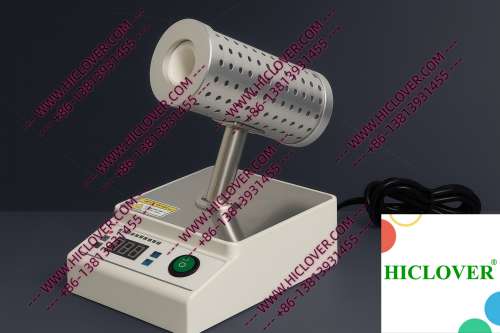
High-temperature micro incinerators operate on the principle of rapid thermal sterilization, utilizing advanced infrared heat technology. Unlike traditional flame sterilizers, which can produce inconsistent temperatures and pose risks such as open flames and aerosol creation, micro incinerators employ a ceramic heating chamber to provide a controlled, enclosed environment conducive to high-temperature disinfection.
The infrared heating mechanism generates temperatures that typically exceed 800°C, ensuring that all microorganisms are effectively destroyed upon contact. This closed-loop design not only reduces the risk of contamination but also ensures a clean-bench-safe operation. This means that micro incinerators significantly minimize the chances of harmful aerosols being released into the surrounding environment, which is a critical factor in safeguarding laboratory personnel.
Application Scenarios in Real Labs
1. Biosafety Cabinets
In microbiology laboratories that utilize biosafety cabinets for aerosol-generating work, micro incinerators can serve as an indispensable tool for sterilizing inoculating loops, needles, and other utensils. Within a BSL-2 laboratory in San Francisco, researchers have integrated micro incinerators into their biosafety cabinets to streamline experimental processes. After each sample transfer, the used loop is immediately inserted into the micro incinerator. Within seconds, the loop is sterilized and ready for reuse, significantly improving sterilization workflow while minimizing contamination risk.
2. Field Testing and Clinical Diagnostics
Field testing labs operating in remote locations often struggle with adequate sterilization options. Micro incinerators are portable and efficient, allowing field technicians to perform necessary sterilization efforts without the need for an open flame. For instance, a clinical diagnostics team conducting blood sample analysis in rural Tanzania employs micro incinerators for rapid sterilization of their equipment. They can safely and effectively reclaim glassware and inoculating tools, even under unstable conditions, thereby reducing the potential for cross-contamination.
Compliance and Environmental Considerations
The World Health Organization (WHO) has established stringent biosafety and sterilization standards for laboratories worldwide. These guidelines stress the importance of employing safe and effective sterilization methods to mitigate the risks associated with biological hazards. Micro incinerators fulfill these guidelines, as they eliminate the need for flame-based systems, which are not recommended in clean room environments due to their potential for contamination.
- WHO recommendations for laboratory sterilization include:
- Use of suitable heat sterilization methods to eliminate pathogens.
- Implementation of non-flame devices to minimize risk.
- Regular maintenance and calibration of sterilization equipment.
As laboratories across Europe and North America upgrade their equipment to comply with these standards, micro incinerators are becoming essential components of modern sterilization procedures.
Advantages Over Traditional Flame Sterilizers
Micro incinerators present numerous advantages compared to traditional flame sterilizers, such as alcohol lamps and Bunsen burners:
- Rapid Sterilization: They achieve sterilization within seconds, vastly improving workflow efficiency.
- Controlled Heating: Infrared technology provides stable temperature, eliminating the risk associated with open flames.
- Aerosol-Free Handling: Reduced risk of contamination increases the safety of personnel and experiments.
- Compact Design: Easily fits into biosafety cabinets, ensuring a sterilization solution without compromising workspace.
Micro Incinerator vs. Flame Burners
| Feature | Micro Incinerator | Flame Burner |
|---|---|---|
| Temperature Control | Consistent & adjustable | Varies with fuel supply |
| Safety | No open flame | Potential fire hazard |
| Time to Sterilize | Seconds | Variable, generally longer |
| Portability | Lightweight & compact | Bulkier and less versatile |
FAQs about Micro Incinerators
What types of laboratories benefit the most from micro incinerators?
BSL-2 and BSL-3 laboratories, clinical diagnostic settings, and university teaching labs all benefit significantly from the efficiency and safety provided by micro incinerators.
How does a micro incinerator ensure compliance with lab safety standards?
Micro incinerators meet WHO biosafety recommendations by eliminating the need for open flames, ensuring effective sterilization while mitigating risks associated with biological contamination.
Are micro incinerators easy to operate?
Yes, micro incinerators are designed for user-friendly operation, often featuring simple controls that allow users to set temperatures quickly and efficiently.
What is the average lifespan of a micro incinerator?
With proper maintenance, micro incinerators are designed to last several years, providing a reliable source of heat sterilization for laboratory operations.
Can micro incinerators be used in the field?
Yes, the portable design of micro incinerators makes them an ideal tool for field testing labs, allowing for effective sterilization in remote locations.
Final Thoughts
The integration of high-temperature micro incinerators in laboratory sterilization protocols represents a significant advancement in biosafety and efficiency. Their capacity to provide rapid thermal sterilization, coupled with their compliance with global standards, underscores their role as essential laboratory equipment. We encourage laboratories to consider upgrading to micro incinerators for a safe and efficient waste disposal solution. Contact us today to learn more about how micro incinerators can enhance your laboratory operations.
Categories:
Tags: