
In the world of laboratory and medical environments, maintaining biosafety and ensuring contamination control are paramount. Researchers and medical professionals face challenges daily. The shift towards more effective sterilization methods has brought high-temperature sterilizers into the limelight. Particularly, the Micro Incinerator or Infrared Inoculating Loop Sterilizer has emerged as a crucial tool, meeting the rigorous demands of laboratory sterilization.
Understanding the Technical Principles of Infrared Sterilizers
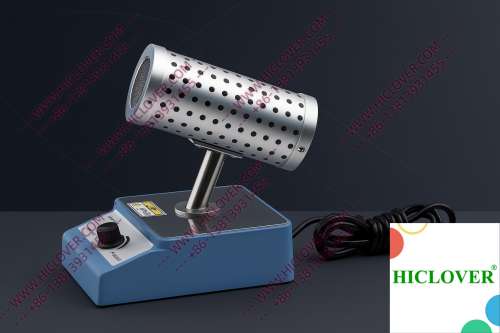
The Micro Incinerator operates on the principle of rapid thermal sterilization rather than traditional flame-based methods. It utilizes an enclosed ceramic tube that heats up via infrared technology, providing intense and focused heat to sterilize inoculating loops and other small laboratory instruments. This technology not only ensures complete disinfection but also minimizes the risks associated with handling open flames, such as aerosol generation and cross-contamination.
- Enclosed Ceramic Heating Chamber: The design prevents heat from escaping, ensuring efficient energy use and targeted sterilization.
- Infrared Heating: Offers consistent temperatures, adaptable to diverse welding requirements across various lab settings.
- Portability: Many micro incinerators are compact, making them suitable for mobile or field testing labs.
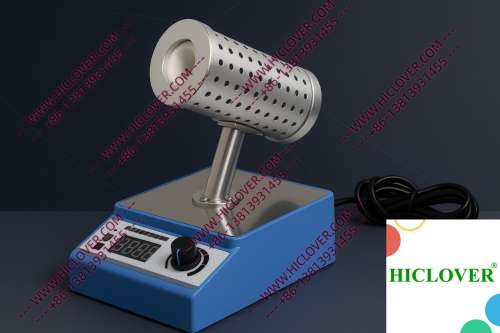
Applications in Real-World Laboratory Environments
Micro Incinerators are versatile tools, showing their effectiveness in various laboratory environments. Below are two significant application scenarios:
- Biosafety Cabinet Utilization: In BSL-2 and BSL-3 microbiology labs, the use of Micro Incinerators within biosafety cabinets enhances contamination control. When handling pathogens, keeping tools sterilized in a controlled environment is essential. The Infrared Inoculating Loop Sterilizer ensures instruments can be sterilized without jeopardizing the biosafety of the laboratory environment.
- Field Testing in Diverse Conditions: Mobile laboratories often face challenges such as limited space or power supply. In these scenarios, micro incinerators prove invaluable. They provide rapid disinfection of equipment, allowing field researchers to maintain high standards of sterility, even in remote locations.
Compliance and Environmental Considerations
Adhering to international biosafety standards is critical for laboratory operations. The World Health Organization (WHO) emphasizes the importance of sterilization protocols to prevent disease transmission. Standards set by organizations such as the CDC and ISO focus on the necessity of non-flame methods in clean rooms.
While traditional flame sterilizers like alcohol lamps or Bunsen burners have been staples in laboratories for decades, they often produce harmful aerosols and pose fire hazards. Enclosed infrared sterilizers eliminate these risks, making them compliant with varying biosafety regulations.
Comparison of Sterilization Methods
| Features | Micro Incinerator | Flame Burners |
|---|---|---|
| Heating Method | Infrared, enclosed | Open flame |
| Contamination Risk | Minimal | High (aerosol production) |
| Portability | Highly portable | Limited due to gas supply |
| Control of Sterilization | Precise | Variable |
FAQs about High-Temperature Sterilizers
1. What materials can I sterilize with a Micro Incinerator?
The Micro Incinerator is ideal for sterilizing inoculating loops, needles, and various small laboratory tools made from heat-resistant materials.
2. How does infrared heat differ from traditional flame sterilization?
Infrared heat is more controlled and focuses on specific areas, reducing contamination risk compared to traditional flames that can aerosolize pathogens.
3. Is a Micro Incinerator safe to use in a cleanroom environment?
Yes, a Micro Incinerator is designed to be clean-bench-safe, making it an excellent choice for maintaining sterile environments.
4. Can I use a Micro Incinerator in field testing labs?
Absolutely! Its portability and ability to operate without gas make it suitable for field testing in various conditions.
5. What are the energy requirements for an Infrared Inoculating Loop Sterilizer?
Most units are designed to consume minimal electricity, making them efficient for regular use, even in mobile lab situations.
Conclusion
High-temperature sterilizers like the Micro Incinerator or Infrared Inoculating Loop Sterilizer represent a significant advancement in lab sterilization equipment. They are tailored to meet the modern demands of laboratory environments while ensuring compliance with essential biosafety standards. If you’re interested in enhancing your lab’s sterilization processes, we invite you to reach out to us for more information about high-quality Micro Incinerators available on the market.
Categories:
Tags: