
Laboratory environments face unique biosafety challenges that demand rigorous sterilization protocols. From microbial contamination to the need for safe, flame-free workspaces, the importance of effective sterilization cannot be overstated. This is especially true in settings such as BSL-2 and BSL-3 microbiology labs, clinical diagnostics, and university teaching laboratories. To address these challenges, heated ceramic sterilizers, notably the Micro Incinerator or Infrared Inoculating Loop Sterilizer, have emerged as an essential tool, transforming sterilization workflows and enhancing safety.
Understanding the Technical Principles
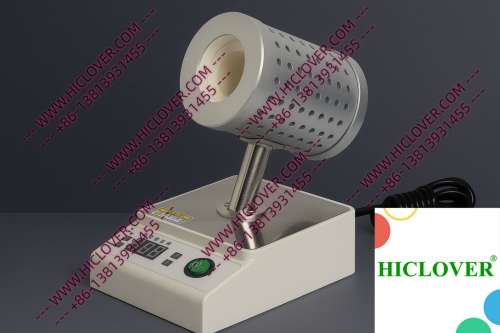
At the heart of heated ceramic sterilizers is the principle of rapid thermal sterilization. Utilizing infrared heat, these devices achieve high temperatures efficiently, significantly reducing the time required for proper sterilization. Unlike traditional flame sterilizers such as alcohol lamps or Bunsen burners, the Micro Incinerator features an enclosed ceramic tube that minimizes heat loss and maintains concentrated thermal energy. This innovative design ensures that sterilization is not only effective but also environmentally friendly, providing aerosol-free handling of instruments.
Configuration and Design Features
The Micro Incinerator is equipped with a ceramic heating chamber that can reach temperatures upwards of 800°C in mere seconds—ideal for effective disinfection. The enclosed design prevents open flames which can pose risks in cleanroom environments. Its smart configuration allows laboratory technicians to sterilize inoculating loops, metal instruments, and other small tools quickly and safely, without the mess associated with traditional methods. Below is a comparison of the Micro Incinerator and traditional flame sterilizers.
| Feature | Micro Incinerator | Flame Sterilizers |
|---|---|---|
| Heating Method | Infrared radiation | Open flame |
| Temperature Range | Up to 800°C | Variable (less controlled) |
| Fuel Source | Electric | Gas or alcohol |
| Contamination Control | Minimal aerosol generation | Higher risk of aerosol spread |
| Safety | Clean-bench-safe | Requires caution in enclosed spaces |
Practical Applications in Laboratories
The Micro Incinerator shines in various laboratory scenarios, showcasing its versatility and relevance:
- Biosafety Cabinet Usage: In BSL-2 or BSL-3 labs, the Micro Incinerator enhances the biosafety cabinets by providing a safe means to sterilize instruments without introducing open flames. This setup minimizes the risk of accidental ignition and aerosol generation, creating a safer workspace for researchers.
- Field Testing Scenarios: In mobile labs conducting environmental sampling, the Micro Incinerator offers a compact and portable sterilization solution. Without the need for external fuel sources, it allows scientists to sterilize their tools effectively in the field, ensuring that contamination control is maintained during sample collection.
Compliance and Environmental Standards
Adhering to sterility regulations is crucial in research and clinical environments. The World Health Organization (WHO) has emphasized the importance of biosafety standards in laboratory settings. The Micro Incinerator meets these requirements by eliminating flames and minimizing the risk of cross-contamination. This is particularly important in clean areas where traditional flame sterilizers are prohibited to maintain sterile environments.
Furthermore, the Micro Incinerator operates without toxic fumes, making it an environmentally friendly choice for both academic and research institutions. Its compact design further allows easy incorporation into existing sterilization workflows, aligning with lab sterilization standards globally.
FAQs About Heated Ceramic Sterilizers
- What are the advantages of using a Micro Incinerator over traditional sterilization methods?
The Micro Incinerator provides rapid heating, reduces aerosol generation, and ensures a safer laboratory environment without the risks associated with open flames. - Can the Micro Incinerator be used in all laboratory settings?
Yes, it is suitable for various laboratory environments, including BSL-2 and BSL-3 settings, as well as teaching labs and field testing applications. - How does the Micro Incinerator help meet biosafety compliance?
The device operates without flames, reducing aerosol production and maintaining sterile conditions, adhering to WHO biosafety standards. - Is the Micro Incinerator portable for use in the field?
Yes, its compact and lightweight design allows for easy transport, making it an ideal sterilization tool for outdoor environmental testing. - How do I maintain a Micro Incinerator for optimal performance?
Routine cleaning of the ceramic tube and proper electrical maintenance will ensure the unit operates effectively over time.
Conclusion
As laboratory safety and efficiency become increasingly important, heated ceramic sterilizers like the Micro Incinerator offer a practical solution for contamination control. By integrating rapid thermal sterilization processes and adhering to stringent biosafety standards, these devices enhance laboratory workflows across various settings. To explore how the Micro Incinerator can elevate your sterilization protocols, consider reaching out for more information or purchasing one today. Your laboratory’s safety and efficiency depend on it!