
In the ever-evolving field of medical diagnostics, the need for effective sterilization solutions has never been more critical. As laboratories face stringent biosafety challenges and sterilization workflow demands, advanced laboratory sterilization equipment is essential to ensure the integrity of tests and the safety of both patients and healthcare providers. Among these innovative tools, the Micro Incinerator or Infrared Inoculating Loop Sterilizer stands out as a game changer in modern laboratories.
The Challenges of Laboratory Biosafety
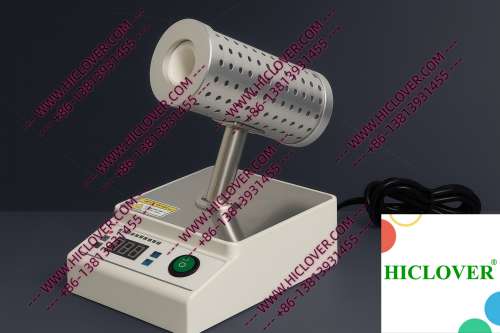
Laboratories, especially BSL-2 and BSL-3 microbiology labs, are under constant pressure to maintain a sterile environment. Traditional sterilization methods, such as alcohol lamps and Bunsen burners, while effective, pose certain risks, including open flames, which can lead to accidents and create potential hazards in cleanroom settings. Moreover, the need for rapid thermal sterilization without the production of aerosols remains a priority for contamination control, as cross-contamination can jeopardize research outcomes and patient health.
Technical Principles of Infrared Sterilization
The Micro Incinerator employs a unique approach to sterilization, utilizing infrared heat within an enclosed ceramic heating chamber. The device rapidly reaches high temperatures, allowing for efficient disinfection of inoculation loops, needles, and other lab instruments in seconds. The infrared sterilization method offers several advantages over traditional flame sterilizers:
- Increased Safety: No open flames means reduced risk of fire hazards.
- Faster Sterilization: Rapid heating capabilities ensure quick turnaround times.
- Easy Handling: Aerosol-free processes minimize contamination risks during sterilization.
- Portable Design: The Micro Incinerator’s compact size allows for easy use in various lab environments, including field testing labs.
- Biosafety Level (BSL) 2 and BSL-3 guidelines require strict adherence to laboratory sterilization standards.
- Proper sterilization techniques, such as the use of the Micro Incinerator, eliminate the need for flame in clean rooms.
Real-World Applications of Micro Incinerators
The Micro Incinerator is revolutionizing sterilization practices across various laboratory settings. Here are two practical application scenarios:
1. Teaching Laboratories
In university teaching labs, instructors rely on sterilization equipment that is both effective and user-friendly. The Micro Incinerator allows students to practice aseptic techniques without the risks associated with flame usage. During microbiology courses, students can quickly learn how to sterilize inoculating loops and needles, preparing them for professional environments where biosafety standards are stringent.
2. Clinical Diagnostics
In clinical laboratories, the need for efficient sterilization is paramount. The Micro Incinerator ensures that all instruments are uncontaminated before use in patient diagnostics. As hospitals strive to improve patient care with reliable test results, the infra-red inoculating loop sterilizer proves essential to maintaining the integrity of samples. Its portability also allows for on-site testing in remote or underserved regions, further improving patient access to quality healthcare.
Compliance and Safety Standards
Adhering to established biosafety standards is crucial for any laboratory. The World Health Organization (WHO) emphasizes the importance of safety protocols, which include proper sterilization techniques to avoid contamination. Specifically:
Furthermore, compliance with lab sterilization standards ensures that laboratories reduce the risk of transmission of infectious agents, thereby enhancing overall patient care.
Comparison of Micro Incinerator and Flame Sterilizers
| Feature | Micro Incinerator | Flame Burners |
|---|---|---|
| Type of Heat Source | Infrared | Open Flame |
| Risk Level | Low – no fire hazard | High – fire hazards present |
| Time Efficiency | Seconds | Minutes |
| Aerosol Production | None | Potentially high |
| Portability | High | Medium |
Frequently Asked Questions
1. What is the main advantage of using a Micro Incinerator over traditional sterilization methods?
The primary advantage lies in its rapid thermal sterilization without the risk of open flames, making it safer and more efficient.
2. How does the Micro Incinerator ensure contamination control?
The Micro Incinerator’s enclosed ceramic heating chamber prevents aerosol production, reducing the risk of cross-contamination.
3. Is the Micro Incinerator compliant with WHO biosafety standards?
Yes, it meets the necessary guidelines for laboratory sterilization, particularly in BSL-2 and BSL-3 labs.
4. Can the Micro Incinerator be used in field testing environments?
Absolutely! Its portable design makes it ideal for mobile testing labs and remote fieldwork.
5. What types of instruments can be sterilized with a Micro Incinerator?
The device can efficiently sterilize inoculating loops, needles, and other small lab instruments.
Conclusion
The introduction of the Micro Incinerator into medical diagnostics and laboratory settings marks a significant advancement in sterilization practices. Its rapid thermal sterilization capability, safety features, and compliance with strict biosafety standards demonstrate its essential role in promoting patient care. For hospitals, universities, and research centers striving for the highest level of cleanliness and efficiency, investing in high-quality sterilization equipment such as the Micro Incinerator is a vital step forward. For details on ordering or inquiries, please contact us today!
Categories:
Tags: