
In laboratories across Indonesia, the biohazardous challenges of sterilization are relentless. With strict biosafety protocols and urgent demands for contamination control, researchers and technicians are on the lookout for methods that ensure rapid thermal sterilization without compromising safety. Enter the Micro Incinerator, a groundbreaking piece of laboratory sterilization equipment that is reshaping the way biosafety is managed in academic and clinical environments.
Technical Principles and Design
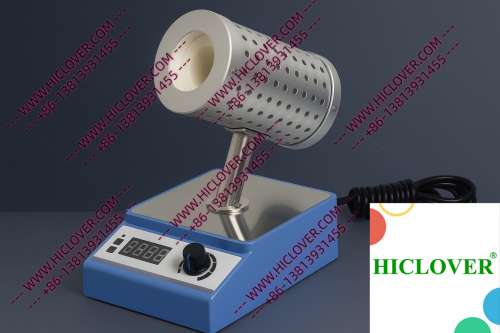
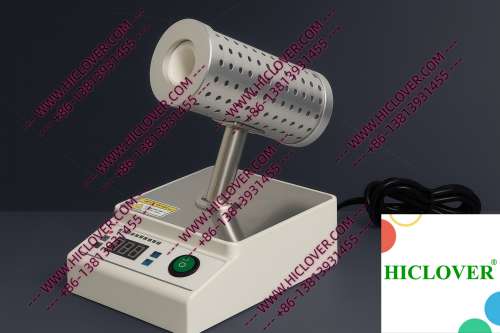
The Micro Incinerator, particularly the Infrared Inoculating Loop Sterilizer, operates on a simple yet effective principle—infrared heat. Unlike traditional flame sterilizers such as alcohol lamps or Bunsen burners that involve open flames, these devices utilize a ceramic heating chamber that provides high-temperature disinfection while minimizing aerosol generation. The enclosed ceramic tube allows for controlled heating, ensuring that the inoculating loops and other sterilizable items reach the necessary temperature for effective microbial elimination.
Advantages Over Traditional Sterilizers
- Safety: Zero open flames reduce the risk of fire hazards.
- Efficiency: Rapid heating and cooling cycles enhance workflow.
- Contamination control: Aerosol-free handling supports a sterile environment.
- Environmental stability: Ideal for operations in clean rooms and BSL-2/BSL-3 labs.
Real-World Applications
Micro Incinerators are transforming sterilization workflows in various laboratory settings:
Scenario 1: Biosafety Cabinet Utilization
In biosafety cabinets, where contamination control is paramount, the Micro Incinerator provides a compact and efficient solution. Technicians can place their inoculating loops into the infrared sterilizer within the cabinet, ensuring that they are consistently sterilized before sample handling, thereby maintaining a high standard of safety and integrity.
Scenario 2: Teaching Labs and Field Testing
University teaching labs, especially those situated in remote areas for field testing, benefit significantly from the portability and ease of use of Micro Incinerators. Instructors can effectively teach microbial techniques while ensuring that students adhere to strict sterilization protocols without the complexity of handling flame-based devices. Additionally, the compact design makes it easy to transport and use in various teaching scenarios or field conditions.
Biosafety Compliance and Environmental Considerations
Following WHO biosafety standards and laboratory sterilization guidelines is essential. Micro Incinerators comply with global laboratory sterilization standards that reject open flames in clean room environments. This adherence to safety standards reduces risks associated with uncontained burns and promotes a cleaner work environment, leading to improved research quality outcomes.
Market Needs and Regional Context
In Indonesia, where laboratory capacity continues to grow, adopting modern sterilization technologies is crucial. The demand for advanced sterilization solutions can be seen in numerous sectors, including clinical diagnostics, research facilities, and educational institutions. As more labs adopt microbiological practices that require BSL-2 and BSL-3 safety measures, Micro Incinerators are not just innovative—they are essential.
Frequently Asked Questions
What is the primary advantage of using a Micro Incinerator compared to conventional sterilizers?
The primary advantage is its ability to provide instantaneous sterilization with no open flames, leading to enhanced safety and workflow efficiency.
Can the Micro Incinerator be used in field settings?
Yes, its portability and robust design make it suitable for use in various outdoor and field testing environments.
How does the Micro Incinerator comply with biosafety standards?
It adheres to strict sterilization guidelines set by WHO and laboratory standards, ensuring safe microbial decontamination in sensitive environments.
Is there a risk of overheating with the Micro Incinerator?
Thanks to its advanced heating technology, the Micro Incinerator is designed for precise temperature control, thereby minimizing any risks of overheating.
What items can be sterilized using the Micro Incinerator?
It is particularly effective for inoculating loops, needles, and other small laboratory equipment requiring rigorous disinfection.
Conclusion
The Micro Incinerator represents a new standard in clean energy sterilization and biosafety compliance in Indonesian laboratories. As the landscape of scientific research evolves, adopting innovative technologies like these is critical for researchers, educators, and healthcare professionals. To enhance your laboratory’s sterilization efficiency, consider investing in a Micro Incinerator today. For inquiries or to make a purchase, contact us directly and join the clean energy revolution!
Categories:
Tags: