
In modern laboratories worldwide, combating the spread of antibiotic-resistant bacteria is a pressing challenge. The need for effective sterilization methods is paramount, especially in biosafety level laboratories where even minor lapses can lead to catastrophic consequences. The shift towards efficient sterilization workflows has given rise to advanced laboratory sterilization equipment, notably the Micro Incinerator or Infrared Inoculating Loop Sterilizer. These devices are revolutionizing both the research and clinical diagnostics sectors, providing a sterile environment for numerous applications.
Technical Principles of Infrared Heat Sterilization
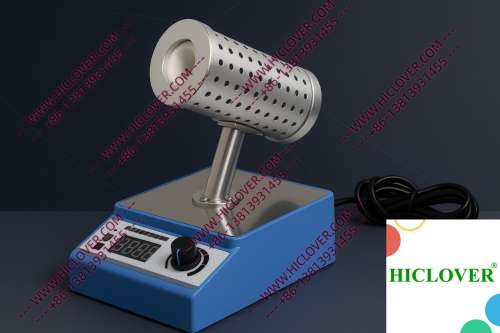
The Micro Incinerator operates on the principle of rapid thermal sterilization through infrared high-temperature disinfection. Unlike traditional flame-based methods, which rely on an open flame for sterilization, the Micro Incinerator features a uniquely enclosed ceramic heating chamber. This design minimizes the hazards associated with open flames, providing a clean-bench-safe environment that is critical in settings such as BSL-2 or BSL-3 microbiology labs.
Using infrared heat as a sterilizing agent, the Micro Incinerator can reach temperatures sufficient to incinerate microbial spores in seconds. The infrared radiation precisely targets the inoculating loops and other sterilization instruments, reducing the risk of contamination while facilitating efficient and effective disinfection. Unlike alcohol lamps or Bunsen burners, which require careful handling and can produce aerosols, this method ensures a safer working environment with negligible risk of airborne pathogens.
Applications in Laboratory Settings
The versatility of the Micro Incinerator caters to a variety of laboratory scenarios, making it an invaluable addition to sterilization protocols. Below are two specific applications:
1. Teaching Laboratories
In university biology labs, students are often exposed to various microbial cultures. The Micro Incinerator provides a reliable method to sterilize inoculating loops and media prior to conducting experiments. Its quick heating time allows students to maintain an efficient workflow without unnecessary delays. Since it produces no flames, educators can emphasize safety, making it an essential tool for teaching best practices in microbiology.
2. Clinical Diagnostics in BSL-2 Labs
In clinical settings where the potential for exposure to pathogenic bacteria is significant, adhering to strict sterilization protocols is vital. The adoption of Micro Incinerators in clinical diagnostics facilitates effective sterilization of tools and instruments in biosafety cabinets, where safety and cleanliness are paramount. The device’s capability for aerosol-free handling further assures the reduction of contamination risks, contributing to a safer laboratory environment.
Compliance and Environmental Considerations
Adhering to biosafety standards set by organizations such as the World Health Organization (WHO) and other relevant regulatory agencies is critical. The absence of open flames in clean rooms is not just a precaution; it’s a compliance requirement that the Micro Incinerator addresses. Traditional flame sterilizers may release harmful by-products, whereas infrared sterilizers operate within clean room standards, ensuring minimal contamination during sterilization processes.
Furthermore, with environmental sustainability becoming a focal point in laboratory operations, the energy-efficient design of the Micro Incinerator contributes to lower carbon footprints. Its quick operational time ensures minimal energy consumption, providing both safety and economic benefits.
Comparison of Micro Incinerator vs. Flame Burners
| Feature | Micro Incinerator | Flame Burners |
|---|---|---|
| Heat Source | Infrared Heat | Open Flame |
| Safety | Clean-bench-safe | Risk of fire & burns |
| Aerosol Production | None | Possible pathogenic aerosols |
| Heating Time | Instant (seconds) | Varies (longer) |
| Energy Efficiency | High | Moderate |
Frequently Asked Questions
- What is a Micro Incinerator?: The Micro Incinerator is a laboratory sterilizer that uses infrared heat to rapidly sterilize inoculating loops, tools, and media.
- How does an Infrared Inoculating Loop Sterilizer work?: It employs infrared radiation to generate heat in a ceramic chamber, sterilizing objects in seconds without flames.
- Can I use a Micro Incinerator in a clean room?: Yes, it is designed to operate safely in clean rooms, adhering to biosafety protocols.
- What are the benefits of using Micro Incinerators over flame sterilizers?: They offer enhanced safety, reduced risk of contamination, and faster operation times.
- Where are Micro Incinerators commonly used?: They are utilized in teaching labs, clinical facilities, and BSL-2/BLS-3 environments for microbial research.
Conclusion
As the landscape of laboratory work continues to evolve, the Micro Incinerator exemplifies the future of sterile techniques in combating antibiotic-resistant bacteria and ensuring compliance with biosafety standards. Institutions looking to enhance their sterilization processes should consider integrating the Micro Incinerator into their laboratory workflows. For more information on purchasing these essential devices, please reach out to us today!
Categories:
Tags: