
In today’s laboratory environment, ensuring biosafety has become paramount. Laboratories often grapple with a myriad of challenges in sterilization workflows, especially in areas with heightened contamination risks, such as BSL-2 and BSL-3 labs. A robust sterilization procedure is not merely a recommendation but a necessity to uphold the integrity of research and prevent hazardous spills of biological agents. One product that has gained traction in the laboratory sterilization equipment arena is the Micro Incinerator, or Infrared Inoculating Loop Sterilizer. This article delves into the essential aspects of selecting the right sterilizer for a biological safety cabinet (BSC) and highlights the competitive advantages of these devices over traditional flame sterilizers.
Understanding the Technical Principles of Infrared Sterilization
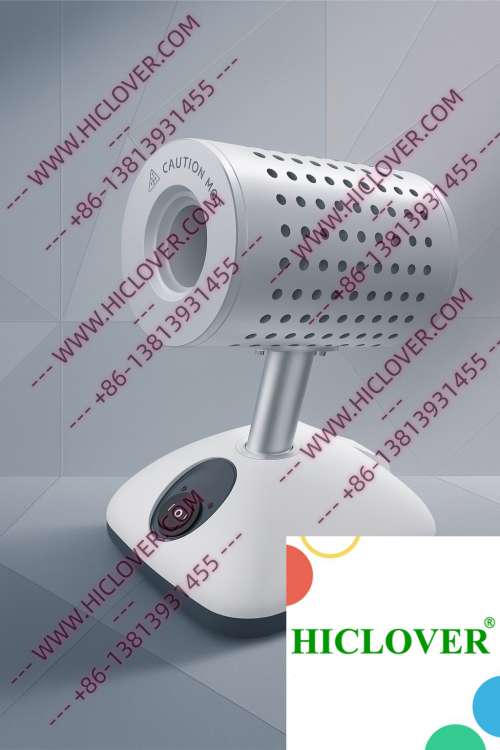
The Micro Incinerator utilizes infrared heat for rapid thermal sterilization, providing an efficient alternative to conventional flame-based methods such as Bunsen burners and alcohol lamps. One of the standout features of this sterilizer is its enclosed ceramic tube, which retains heat and provides a consistent temperature that effectively disinfects inoculating loops and other laboratory tools. Unlike flames, which can produce aerosols and pose additional contamination risks, infrared sterilizers allow for aerosol-free handling, making them ideal for use in a clean-bench-safe environment.
Advantages of Micro Incinerators Over Traditional Flame Sterilizers
| Feature | Micro Incinerator | Flame Sterilizers |
|---|---|---|
| Temperature Consistency | Constant and controllable | Variable and can fluctuate |
| Aerosol Production | None | Yes |
| Efficiency | Rapid heating | Slower heating time |
| Safety | Lower risk of fire hazards | Higher risk of burns and fire |
Practical Applications in Real Labs
Micro Incinerators find utility in various laboratory settings. Here are two common application scenarios:
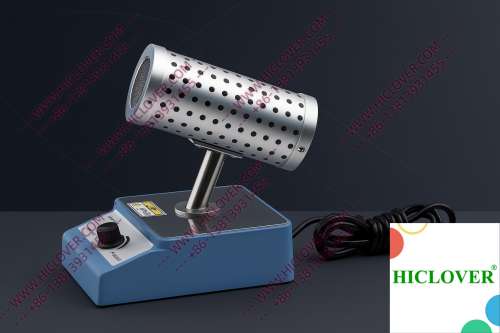
- Biosafety Cabinets: In a BSL-2 microbiology lab, researchers often utilize biological safety cabinets to culture pathogens. Using a Micro Incinerator offers a safe, reliable method for sterilizing inoculating loops without the risk of introducing contaminants through flame. The rapid differential in temperature ensures that the loops are sterilized without impacting sensitive samples in proximity.
- Field Testing Labs: In mobile or field settings, researchers must often adapt sterilization methods to ensure compliance with biosafety standards. The portability and quick operation of the Micro Incinerator allow field teams to efficiently sterilize tools and maintain sterility in a range of environments, from clinical diagnostics to environmental research.
Compliance and Environmental Considerations
Staying compliant with biosafety regulations is vital for any lab. The World Health Organization (WHO) and various national laboratory standards emphasize the importance of sterilization processes that mitigate contamination risks. Clean rooms, in particular, benefit from the restrictions on flame sterilization due to the potential introduction of particulates into the environment. The Micro Incinerator not only aligns with these standards but also enhances worker safety by reducing fire hazards associated with flame guides.
By adopting the Micro Incinerator, labs affirm their commitment to robust contamination control practices as prescribed in biosafety plans, thus assuring compliance with rigorous standards necessary for research integrity.
FAQs
1. What makes Micro Incinerators more effective than flame sterilizers?
The Micro Incinerator maintains a consistent sterilization temperature and eliminates the risks associated with open flames, such as burns and aerosol production.
2. Can I use a Micro Incinerator in clean rooms?
Yes, the design of the Micro Incinerator allows for use in clean rooms without producing aerosols that could contaminate the environment.
3. How quickly can I sterilize an inoculating loop with a Micro Incinerator?
Micro Incinerators provide rapid heating, allowing for sterilization within seconds, making them ideal for high-throughput laboratories.
4. Are there specific settings where I should avoid using flame sterilizers?
Yes, in clean rooms or areas where flammable materials are present, it is advisable to utilize non-flame sterilization methods like a Micro Incinerator.
5. What is the lifespan of a Micro Incinerator?
With proper maintenance, a Micro Incinerator can last several years, providing a reliable sterilization option throughout its service life.
Conclusion
Choosing the right sterilizer for your biological safety cabinet is a critical decision that impacts not only laboratory workflow efficiency but also safety and compliance standards. The Micro Incinerator provides a superior method for rapid thermal sterilization, allergen-free operation, and aligns with global biosafety regulations, making it a worthy enhancement over traditional flame sterilizers. If you’re considering upgrading your sterilization equipment, feel free to reach out for more information or to discuss purchasing options that meet your laboratory’s specific needs.