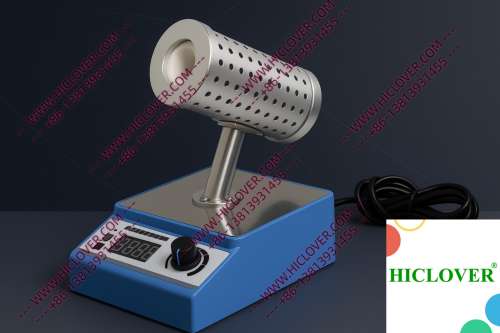
In today’s laboratories, maintaining biosafety and ensuring contamination control are paramount. Laboratories, whether they are BSL-2, BSL-3, or clinical diagnostics settings, face increasing challenges as they strive to create a sterile environment. The need for efficient sterilization methods aligns with stringent demands for rapid thermal sterilization, particularly in workflows involving microbial cultures, where the slightest contamination can yield catastrophic outcomes. One innovative solution gaining traction is the Micro Incinerator or Infrared Inoculating Loop Sterilizer, which is reshaping the landscape of eco-friendly waste disposal.
Challenging Traditional Methods of Sterilization
Traditional flame sterilizers, such as alcohol lamps and Bunsen burners, have been indispensable tools in microbiology labs. However, they come with inherent risks, particularly regarding open flames in clean rooms, potential exposure to aerosols, and temperature inconsistencies. Laboratory personnel often confront safety challenges posed by combustion, thermal injuries, and environmental hazards associated with burning alcohol. Furthermore, strict regulations surrounding laboratory sterilization techniques have necessitated a move towards safer alternatives that enhance workflow efficiency without compromising safety.
Technical Principles Behind Touchless Loop Incineration
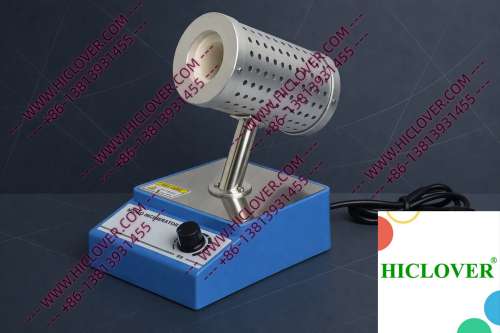
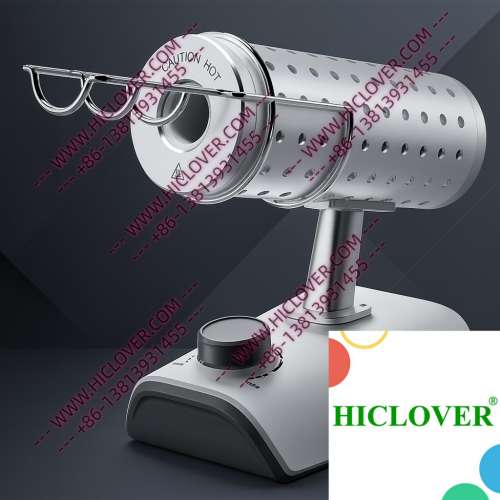
The Micro Incinerator operates on a groundbreaking principle of infrared heat, utilizing an enclosed ceramic tube that achieves high temperatures rapidly. This technology implements direct heat transfer to ensure uniform heating of inoculating loops and needles, leading to complete sterilization in a matter of seconds. The ceramic heating chamber is engineered to contain all combustion processes, creating a smoke-free zone that promotes clean-bench-safe operations.
With a focus on eco-friendly waste disposal, Touchless Loop Incineration promotes energy efficiency and minimizes environmental impact. The compact design enhances its portability, making it an excellent choice for various laboratory settings.
Application Scenarios: Real-World Use of Micro Incinerators
1. Field Testing Laboratories
In field testing laboratories, time efficiency and mobility are essential. The Micro Incinerator’s lightweight design enables field technicians to conduct rapid sterilization without the need for bulky equipment or external fuel sources. Whether testing for pathogens in environmental samples or diagnosing infectious diseases onsite, this sterilizer aids in reducing contamination risks without reliance on traditional flame options.
2. University Teaching Labs
In educational settings, university teaching labs embrace advanced sterilization methods to equip the next generation of scientists. The Micro Incinerator serves as a powerful teaching tool, allowing students to practice contamination control while emphasizing safety protocols in a hands-on laboratory environment. It enhances teaching methodologies by providing a clear demonstration of effective sterilization techniques that adhere to modern biosafety standards.
Compliance and Environmental Standards
Adhering to biosafety compliance and laboratory sterilization standards, the Micro Incinerator aligns with guidance from the World Health Organization (WHO) and other regulatory bodies. Its design effectively eliminates the risks associated with using open flames in clean rooms, which is essential for maintaining sterile conditions in aseptic environments.
Consider the following compliance advantages:
- No flame operation ensures clean room safety.
- Aerosol-free handling protects lab personnel and mitigates contamination risks.
- Efficient energy consumption aligns with sustainable laboratory practices.
Advantages of Micro Incinerators Over Traditional Flame Sterilizers
When evaluating sterilization options, the Micro Incinerator offers significant advantages over traditional flame burners:
| Features | Micro Incinerator | Flame Burners |
|---|---|---|
| Operation Method | Infrared without flames | Open flames |
| Safety | Low risk of fire hazards | High fire hazards |
| Efficiency | Rapid thermal sterilization | Longer heating times |
| Environmental Impact | Eco-friendly waste disposal | Produces harmful emissions |
FAQs
What is a Micro Incinerator?
A Micro Incinerator is a specialized device designed for the rapid sterilization of inoculating loops and needles using infrared heat, making it an ideal tool for various laboratory applications.
How does the Micro Incinerator contribute to laboratory safety?
The Micro Incinerator eliminates the need for open flames, significantly reducing fire hazards and protecting laboratory personnel from combustion-related injuries.
Can Micro Incinerators be used in field testing laboratories?
Yes, their portable, flame-free design makes Micro Incinerators excellent for field applications, allowing for efficient sterilization during field testing without bulky equipment.
What labs benefit the most from using an Infrared Inoculating Loop Sterilizer?
BSL-2 and BSL-3 microbiology laboratories,clinical diagnostics labs, and educational institutions all greatly benefit from the enhanced safety and efficiency offered by the Micro Incinerator.
Are there specific compliance standards that the Micro Incinerator meets?
Yes, the Micro Incinerator meets several biosafety standards set by the WHO and other regulatory bodies, ensuring safe operation without open flames in cleanrooms.
Conclusion
The innovation behind touchless loop incineration signifies a revolutionary approach to waste disposal and sterilization in laboratories worldwide. With safety, efficiency, and environmental responsibility at the forefront, the Micro Incinerator / Infrared Inoculating Loop Sterilizer stands as a testament to modern sterilization technology. If you’re ready to enhance your laboratory’s sterilization protocols and embrace eco-friendly solutions, connect with us today for more information or to make a purchase!
Categories:
Tags: