
Laboratories face relentless biosafety challenges, especially in environments dealing with infectious agents or delicate cultures. The urgent need for operational efficiency, robust sterilization methods, and adherence to safety standards has significantly increased the demand for advanced sterilization equipment, specifically low smoke sterilizer heaters, such as the Micro Incinerator or Infrared Inoculating Loop Sterilizer. This article explores how these innovative devices are transforming laboratory sterilization workflows while ensuring compliance with the highest safety standards.
Understanding Micro Incinerator and Infrared Technology
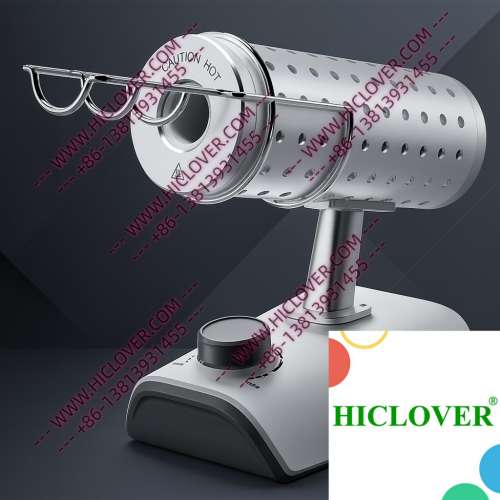
The Micro Incinerator functions on the principle of rapid thermal sterilization through infrared heat. Unlike traditional flame sterilizers, these devices utilize an enclosed ceramic heating chamber to achieve high temperatures for effective disinfection. The infrared radiation quickly elevates the temperature of inoculating loops, needles, and other instruments, achieving sterilization within seconds without generating smoke or particulate matter, ensuring a clean working environment.
- Rapid Heating: Achieves sterilization within seconds.
- Low Smoke Emission: Eliminates health and safety risks associated with fumes.
- Portable Design: Ideal for field laboratories and mobile testing setups.
- Energy Efficient: Consumes less power than traditional flame methods.
-
What are the benefits of using a Micro Incinerator over traditional sterilizers?
The Micro Incinerator offers numerous advantages, including rapid sterilization times, minimal smoke emissions, and enhanced biosafety compliance. Its design caters to modern laboratory needs efficiently.
-
How does infrared sterilization work?
Infrared sterilization operates by emitting heat directly to the instrument being sterilized, achieving high temperatures instantly and killing any microbial life present.
-
Is the Micro Incinerator suitable for all laboratory environments?
Yes, its portable design makes it ideal for BSL-2/BSL-3 labs, university teaching labs, and field testing environments.
-
What maintenance does a Micro Incinerator require?
Regular cleaning and electrical inspection should be scheduled to maintain optimal performance and ensure long-lasting use. Specific maintenance guidelines can often be found in the user manual.
-
Can I use a Micro Incinerator in my clean room?
Yes, the low smoke emission and efficient sterilization capability make it an excellent choice for clean room applications.
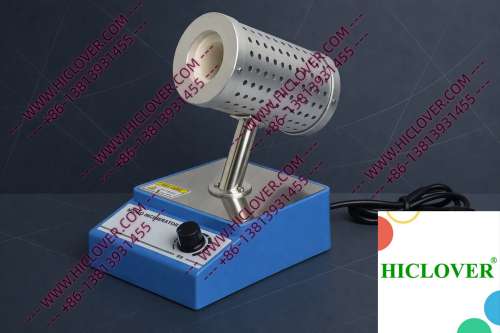
The design of the Micro Incinerator emphasizes usability. With a user-friendly interface, this low smoke sterilizer is tailored for precise operations, making it an optimal choice in various laboratory settings.
Applications in Real Laboratories
Biosafety Cabinet Operations
In BSL-2 and BSL-3 microbiology labs, where contamination control is paramount, the Micro Incinerator serves as an effective sterilization tool within biosafety cabinets. Laboratory professionals can quickly sterilize instruments between use without the risk of aerosolization, maintaining a sterile work environment. Some labs even integrate these sterilizers directly into their workflows, pairing them with laminar flow hoods for heightened biosafety. In these controlled settings, the clean-bench-safe operation ensures that no harmful contaminants can escape, thereby protecting both personnel and the environment.
Field Testing Scenarios
In situations where rapid mobility is necessary, such as ecological surveys or infectious disease field testing, the portable nature of the Micro Incinerator allows researchers to conduct sterilization in the field without reliance on electrical outlets. The absence of flames makes it possible to sterilize tools in the vicinity of other equipment, even in cramped or unconventional spaces, representing a significant asset for teams aiming to minimize contamination risks during field studies.
Regulatory Compliance and Environmental Considerations
As scientific research increasingly aligns with WHO biosafety criteria and other global health guidelines, the importance of compliant sterilization equipment cannot be overstated. With traditional flame sterilizers like alcohol lamps and Bunsen burners posing risks in clean rooms and BSL settings, the Micro Incinerator stands out for its compliance with safety regulations guiding aerosol-free handling and handling of pathogens. This compliance leads to safer patient outcomes in clinical diagnostics and teaching labs, where students must learn in environments that prioritize safety and efficiency.
Comparison of Micro Incinerator vs. Flame Burners
| Feature | Micro Incinerator | Flame Burners |
|---|---|---|
| Method of Sterilization | Infrared heating | Open flame |
| Smoke Emission | Low | High |
| Heating Efficiency | Instant | Variable |
| Ease of Use | User-friendly | Requires skill |
| Biosafety Compliance | Yes | Limited |
Frequently Asked Questions
Conclusion
The rising popularity of low smoke sterilizer heaters like the Micro Incinerator highlights a shift toward more efficient, safer laboratory practices. As labs continue to prioritize biosafety, incorporating advanced sterilization technologies becomes not just advantageous but essential. For laboratory supply distributors, hospitals, universities, or NGOs considering upgrading their sterilization equipment, the Micro Incinerator represents an ideal investment in safety and efficiency. Feel free to contact us today to learn more about this innovative solution.
Categories:
Tags: