
In today’s laboratories, maintaining biosafety while managing sterilization workflows remains a critical challenge. As researchers delve into more complex studies in fields like microbiology and clinical diagnostics, the demand for reliable, contamination control methods has never been higher. Traditional sterilization methods, such as alcohol lamps and Bunsen burners, though widely used, pose several limitations, including flame exposure risks and inconsistent sterilization temperatures. Enter the infrared inoculating loop sterilizer, an innovative solution that is reshaping how laboratories undertake sterilization processes.
Technical Principles Behind Infrared Sterilization
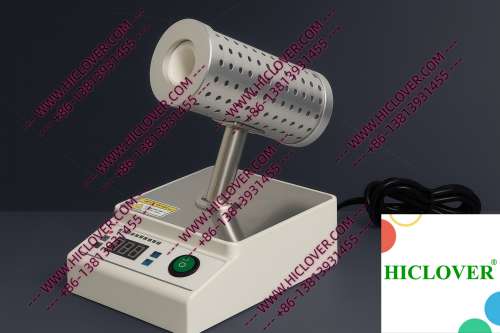
The core of the infrared loop burners’ efficiency lies in their design and operating principle. Unlike conventional flame sterilizers, these modern devices employ infrared heating technology, utilizing a ceramic heating chamber that produces rapid thermal sterilization. This process creates high-temperature disinfection environments within an enclosed ceramic tube, ensuring that microbial contamination risks are significantly minimized.
Features of the Micro Incinerator
- Rapid Heating: Achieves temperatures of 800°C in a matter of seconds.
- Superior Safety: Operates flame-free, reducing risks associated with fire hazards.
- Streamlined Sterilization: Operable within biosafety cabinets and other controlled environments.
- Aerosol-Free Handling: Prevents the release of airborne contamination during sterilization.
- What is the primary benefit of using an infrared inoculating loop sterilizer?
The main advantage is efficient and consistent sterilization without the risks associated with open flames. - Can the Micro Incinerator be used in BSL-3 facilities?
Yes, it meets the sterilization requirements conducive to BSL-3 environments. - How fast does the Micro Incinerator heat up?
It achieves operational temperatures within seconds, ensuring immediate sterilization. - Is it suitable for field testing applications?
Absolutely, its compact design and flame-free operation make it ideal for mobile labs. - What maintenance does the Micro Incinerator require?
Regular cleaning and safety checks are recommended to maintain optimal performance.
Applications in Real Laboratory Settings
The infrared inoculating loop sterilizer finds its niche in various laboratory settings, addressing specific sterilization needs while upholding stringent biosafety standards.
1. University Teaching Labs
In academic environments, particularly in university microbiology courses, the Micro Incinerator operates under close supervision of faculty, allowing students to learn safe and effective microbial handling practices. The flame-free design reduces the risk of accidents and creates a clean, controlled learning environment, making the sterilization process straightforward and educational.
2. BSL-2 / BSL-3 Microbiology Labs
In high-security laboratories handling potentially pathogenic organisms, the Micro Incinerator fits seamlessly within a biosafety cabinet. This setting is essential for preventing contamination. Its rapid thermal sterilization method guarantees that inoculating loops and other instruments are rendered sterile within seconds, thus ensuring compliance with WHO biosafety standards.
Compliance and Environmental Benefits
As laboratories strive to meet global biosafety compliance, utilizing an infrared inoculating loop sterilizer becomes essential. Compliance with lab sterilization standards, including those set forth by the World Health Organization (WHO), ensures researchers confidently maintain sterile environments critical for their studies.
Moreover, the absence of an open flame makes the micro incinerator ideal for clean rooms, eliminating the risk of introducing combustion products into sensitive scientific environments. This not only enhances safety but also supports laboratory personnel in maintaining rigorous contamination control.
Micro Incinerator vs. Traditional Flame Burners
| Feature | Micro Incinerator | Traditional Flame Burners |
|---|---|---|
| Heating Time | Seconds | Variable (minutes) |
| Flame Safety | Flame-free | Open flame |
| Temperature Control | Consistent | Variable |
| Usability in Clean Rooms | Yes | No |
| Contamination Risk | Low | Higher |
Frequently Asked Questions
Conclusion
Investing in advanced sterilization technology like the Micro Incinerator not only streamlines laboratory workflows but also enhances biosafety protocols. The transition from traditional flame burners to infrared sterilization represents a pivotal shift towards safer and more efficient laboratory practices. For distributors, hospitals, and research centers looking to equip their facilities with cutting-edge sterilization solutions, contact us today to learn more about our products and capabilities.
Categories:
Tags: