
Laboratories today face an increasing number of biosafety challenges, particularly in the realms of microbiology and clinical diagnostics. Ensuring a sterile environment while enhancing workflow efficiency is paramount. Traditional sterilization methods, such as alcohol lamps and Bunsen burners, have been time-tested, but they come with their own set of drawbacks, including risks of contamination due to open flames, aerosol emissions, and higher energy consumption. Enter the infrared loop sterilizer—an innovative solution tailored for modern laboratory needs.
Understanding Infrared Loop Sterilizers
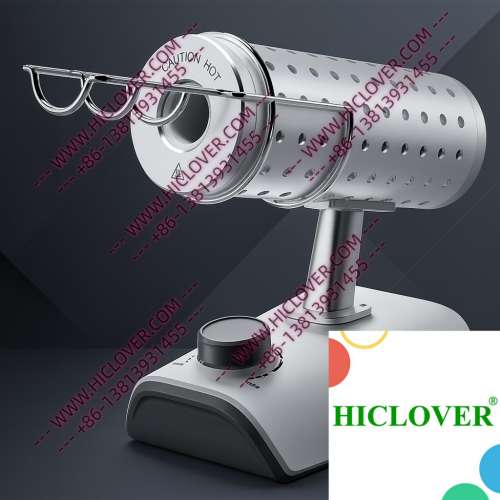
Infrared loop sterilizers, also known as Micro Incinerators, utilize the principles of rapid thermal sterilization. These devices incorporate an enclosed ceramic heating chamber that emits infrared radiation for high-temperature disinfection. As a result, they achieve effective sterilization without the risk of flames, making them ideal for use in clean rooms and other sensitive environments.
The operation of an infrared sterilizer is both simple and effective. When the device is activated, the ceramic tube glows, reaching temperatures high enough to incinerate contaminants on inoculating loops and tools. This offers an uninterrupted workflow and drastically reduces the contamination risk compared to traditional methods.
Applications in Real Laboratories
1. Biosafety Cabinets
In high-containment labs like BSL-2 and BSL-3, where aerosols may pose a significant hazard, infrared loop sterilizers provide a safe means of decontamination. Users can operate the sterilizer within a biosafety cabinet, ensuring that all materials are sterilized before they exit. This not only protects laboratory personnel but also maintains the integrity of sensitive research work.
2. Teaching Laboratories
University teaching labs often demand efficient and effective sterilization techniques due to the volume of students using shared equipment. Infrared inoculating loop sterilizers can cater to these high turnover rates, providing quick turnaround times with minimal setup. Students can easily sterilize their instruments without the worry of flame-related accidents, allowing for a safer learning environment.
Compliance and Environmental Considerations
When selecting sterilization equipment, compliance with international safety standards is crucial. Organizations such as the World Health Organization (WHO) emphasize the need for stringent biosafety practices. The use of infrared loop sterilizers aligns with these standards, as they offer a flame-free option suitable for clean rooms and labs requiring a controlled environment.
Additionally, avoiding open flames in laboratories contributes to improved air quality, reduces the potential for chemical reactions, and adheres to numerous laboratory sterilization standards. This makes infrared loop sterilizers not only an effective choice but also a responsible one within the scientific community.
Features of Infrared Loop Sterilizers
- Flame-Free Operation: Eliminates aerosol generation and reduces fire hazards.
- Rapid Heating: Quick startup and sterilization process—ideal for busy labs.
- Eco-Friendly Design: Minimizes energy consumption compared to traditional flame sterilizers.
- Compact and Portable: Convenient for both stationary setups and field testing labs.
Micro Incinerator vs. Traditional Flame Sterilizers
| Feature | Micro Incinerator | Flame Sterilizer |
|---|---|---|
| Safety | No open flame, less risk of fire | Open flame, higher risk of fire hazards |
| Efficiency | Rapid sterilization | Slower, with potential for cooling |
| Environmental Impact | Lower emissions | Higher emissions and energy consumption |
| Portability | Compact and lightweight | Bulky and less portable |
Frequently Asked Questions
What are the primary advantages of using an infrared loop sterilizer?
The primary advantages include safety from open flames, rapid heating times for efficient workflow, and lower environmental impact from reduced energy usage.
Can an infrared loop sterilizer be used in BSL-3 labs?
Yes, infrared loop sterilizers are ideal for use in BSL-3 labs due to their safe, enclosed operation that minimizes aerosol production.
How is the temperature regulated in an infrared sterilizer?
The temperature is maintained through advanced ceramic heating elements that provide consistent performance without the fluctuation common in flame-based methods.
Are infrared loop sterilizers compliant with regulatory standards?
Yes, infrared loop sterilizers comply with numerous international safety standards, including WHO guidelines for laboratory sterilization practices.
How easy is it to operate an infrared loop sterilizer?
Operating an infrared loop sterilizer is straightforward. Simply switch it on, wait for the ceramic tube to reach the required temperature, and sterilize your instruments.
Conclusion: A Step Towards Modern Laboratory Practices
Infrared loop sterilizers represent a significant advancement in laboratory sterilization technology. By effectively addressing the challenges posed by traditional methods, they enhance safety, improve workflow efficiency, and comply with global standards. Whether you’re operating in a university teaching lab or a high-containment research facility, integrating a Micro Incinerator will undoubtedly streamline your sterilization processes.
If you’re ready to upgrade your laboratory sterilization equipment and ensure a safer workspace, consider investing in an infrared loop sterilizer today. Contact us to learn more about our products and how they can meet your laboratory needs.
Categories:
Tags: