
In today’s fast-evolving scientific landscape, laboratories face increasing challenges in maintaining biosafety while ensuring the efficiency of their sterilization workflows. Traditional methods of sterilization, such as alcohol lamps and Bunsen burners, often fall short on both accounts. To combat contamination risks and improve operational efficiency, labs are transitioning to advanced sterilization equipment, particularly the Micro Incinerator, also known as the Infrared Inoculating Loop Sterilizer.
Understanding the Technical Principle: Infrared Sterilization
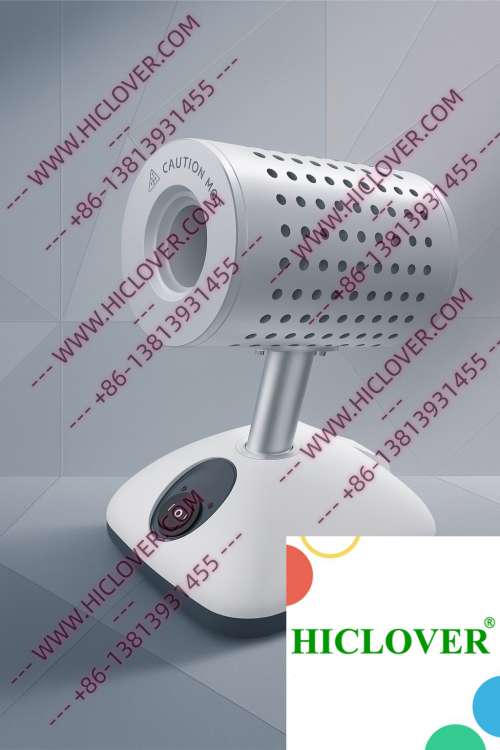
The innovative design of infrared sterilizers leverages rapid thermal sterilization principles to deliver high-temperature disinfection. Utilizing an enclosed ceramic tube, infrared heaters emit thermal energy that ensures uniform heat distribution. Instead of an open flame, which can pose risks in clean environments, infrared sterilizers provide aerosol-free handling—a critical feature for sensitive laboratory settings.
Design and Configuration
The Micro Incinerator’s compact design is tailored for efficiency. With a high-temperature ceramic heating chamber, it reaches optimal sterilization temperatures within seconds. This makes it an excellent fit for various laboratory conditions, including:
- BSL-2 and BSL-3 microbiology labs
- Clinical diagnostics settings
- University teaching labs
- Mobile or field testing labs
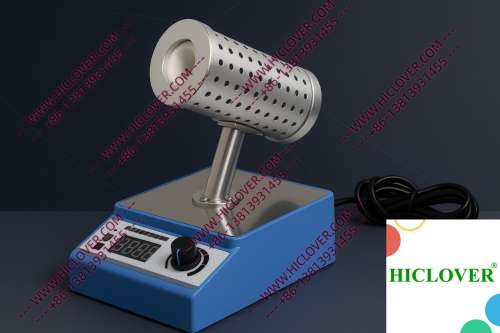
Applications in Real Labs
Scenario 1: Biosafety Cabinet Utilization
In a BSL-2 microbiology lab, where handling pathogens is routine, personnel must adhere to strict biosafety protocols. Using an infrared inoculating loop sterilizer allows lab technicians to efficiently sterilize inoculating loops without introducing fire hazards. This is particularly valuable when working inside biosafety cabinets, where an open flame might disrupt airflow patterns and compromise safety. The Micro Incinerator ensures that every loop is rapidly and consistently sterilized, minimizing cross-contamination risks.
Scenario 2: Teaching Laboratory Efficiency
In educational settings, teaching labs often see high turnover rates with students transitioning between experiments. The Micro Incinerator facilitates a streamlined workflow. Instead of waiting for open flame burners to cool down, students can quickly sterilize their instruments in the infrared sterilizer, maintaining focus on learning outcomes while ensuring that each procedure follows strict contamination control protocols.
Compliance and Environmental Considerations
For laboratory operations, adhering to established biosafety standards is non-negotiable. The World Health Organization (WHO) has set guidelines for laboratory safety, emphasizing the importance of using safe sanitation equipment. Infrared sterilizers comply with international sterilization standards, providing a clean-bench-safe environment that’s crucial in preventing contamination.
Additionally, infrared sterilizers support clean room operations effectively. Unlike traditional flame burners, they eliminate emissions and the risk of ignition in sensitive areas, complying with lab sterilization protocols and contributing to a safer working atmosphere.
Micro Incinerator vs. Traditional Flame Sterilizers
| Feature | Micro Incinerator | Flame Burners |
|---|---|---|
| Heat Source | Infrared heat | Open flame |
| Safety | Low risk of fire and aerosols | High risk, can compromise sterile environments |
| Efficiency | Rapid thermal sterilization | Long wait to cool down |
| Portability | Lightweight and compact | Bulky and requires gas supply |
FAQs About Infrared Sterilizers
1. How does an infrared sterilizer work?
Infrared sterilizers work by emitting infrared heat through a ceramic heating chamber, rapidly bringing sterilization instruments to high temperatures for effective disinfection.
2. Is the Micro Incinerator suitable for field testing?
Yes, its compact and portable design makes the Micro Incinerator an excellent choice for field testing applications, where traditional sterilization methods may not be feasible.
3. How long does it take to sterilize an inoculating loop?
The Micro Incinerator can sterilize an inoculating loop in just a few seconds, greatly improving efficiency and turnaround time in laboratory procedures.
4. Can infrared sterilizers replace traditional methods entirely?
While they can significantly enhance sterilization processes, infrared sterilizers can be part of a broader sterilization strategy, depending on specific lab needs.
5. Are there specific maintenance requirements for infrared sterilizers?
Yes, regular cleaning of the ceramic tube and ensuring it is free from residues will help maintain optimal performance and extend the device’s lifespan.
Conclusion: Upgrade Your Laboratory with Infrared Sterilization Technology
Adopting infrared sterilizers like the Micro Incinerator not only enhances laboratory safety but also boosts workflow efficiency by mitigating contamination risks. As laboratories shift towards safer and more reliable sterilization methods, investing in advanced sterilization technology is essential. Explore our range of products today and elevate your laboratory practices to new heights.
Categories:
Tags: