
In the ever-evolving landscape of laboratory biosafety, the quest for optimal sterilization methods remains at the forefront of microbiological research and clinical diagnostics. Traditional flame-based sterilization techniques, while effective, present numerous challenges, including contamination risks, safety concerns, and regulatory compliance hurdles. As laboratories strive for the highest cleanliness standards, the advent of innovative sterilization tools like the Micro Incinerator or Infrared Inoculating Loop Sterilizer offers a game-changing alternative to flame-based systems.
The Science Behind Flameless Ceramic Heating
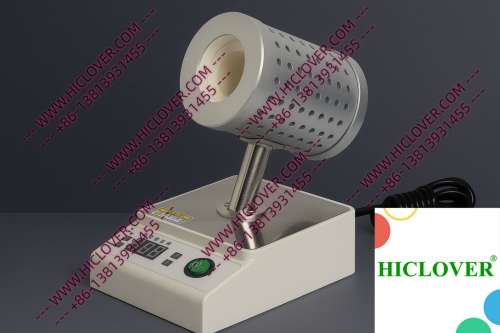
The Micro Incinerator employs a cutting-edge infrared ceramic heating technology that allows for efficient and rapid thermal sterilization without an open flame. This sophisticated setup consists of an enclosed ceramic tube which harnesses infrared radiation to achieve high-temperature disinfection. Unlike traditional methods where heat is generated through combustion, this flameless device creates a controlled environment devoid of toxic byproducts, ensuring superior contamination control.
As the ceramic heating chamber reaches temperatures exceeding 800°C within seconds, it provides users with an aerosol-free handling experience that is both safe and effective. Such rapid thermal sterilization minimizes downtime in laboratory settings and enhances workflow productivity, catering specifically to the dynamic needs of BSL-2 and BSL-3 microbiology labs.
Real-World Applications of Micro Incinerators
1. Laboratory Biosafety Cabinets
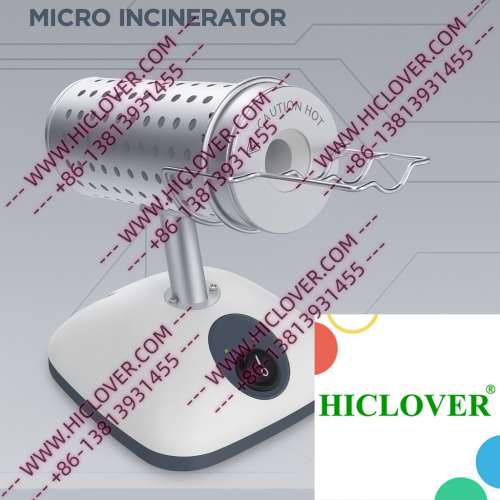
In a standard biosafety cabinet, the application of the Micro Incinerator represents a significant upgrade over traditional sterilizers. As researchers engage in aerosol-generating procedures, the need for a flame-free sterilization approach that provides sterilization without contaminating the workspace becomes paramount. Utilizing this sterilizer not only complies with stringent laboratory safety requirements but also increases efficiency during routine inoculation processes.
2. University Teaching Labs
In academic settings, teaching labs require equipment that not only meets safety standards but also enhances learning experiences. The infrared inoculating loop sterilizer is an ideal choice for professors and students alike, as it offers an intuitive operation that safely introduces students to vital sterilization techniques without the risks associated with open flames. This flameless solution encourages proper techniques and fosters a learning environment focused on safety and efficacy.
Compliance and Environmental Standards
Adhering to international biosafety standards, particularly those set forth by the WHO, is crucial for all laboratories. Compliance with these guidelines ensures that sterilization practices not only uphold cleanliness but also mitigate the risk of contamination in clinical settings. The use of flameless sterilizers, like the Micro Incinerator, aligns seamlessly with lab sterilization regulations; they eliminate the hazards associated with flame-based devices, making them ideal for clean rooms and sensitive laboratory environments.
Moreover, the flameless nature reduces the risk of harmful emissions often produced by burning alcohol or other combustible materials. By minimizing the requirements for fire safety equipment and reducing potential flammable hazards, laboratories can focus on achieving higher standards of cleanliness while maintaining regulatory compliance.
Comparison: Micro Incinerator vs. Flame Burners
| Feature | Micro Incinerator | Flame Burner |
|---|---|---|
| Heat Source | Infrared Ceramic Heating | Combustion |
| Temperature Control | Rapid and Precise | Variable and Varies |
| Contamination Risk | Minimal | Higher |
| Ease of Use | Simple On/Off Function | Requires Skill and Attention |
| Safety | Flame-free Operation | Open Flame Risks |
Frequently Asked Questions
- What is a Micro Incinerator? A Micro Incinerator is an infrared inoculating loop sterilizer that utilizes flameless ceramic heating to achieve rapid sterilization without combustion.
- How does a Micro Incinerator enhance laboratory safety? By eliminating open flames, the device significantly reduces contamination risks and fire hazards, especially in biosafety cabinets and teaching labs.
- How quickly can the Micro Incinerator achieve sterilization? The device reaches optimal sterile temperatures exceeding 800°C in a matter of seconds, making it ideal for high-efficiency laboratory workflows.
- Is the Micro Incinerator compliant with WHO standards? Yes, the Micro Incinerator adheres to international biosafety and sterilization standards, ensuring laboratory practices remain compliant with health guidelines.
- Can the Micro Incinerator be used in field testing? Absolutely! Its compact design makes it suitable for mobile and field testing laboratories, providing reliable sterilization wherever necessary.
Conclusion
As laboratories continue to face the dual pressures of maintaining high biosafety standards while improving operational efficiency, the Micro Incinerator represents a significant advancement in sterilization technology. Its unique flameless ceramic heating mechanism offers a multitude of benefits over traditional flame burners, including enhanced safety, ease of use, and compliance with global laboratory standards. For stakeholders in laboratory supply distribution, hospitals, universities, and NGOs, investing in a Micro Incinerator will not only elevate the cleanliness standards in your lab but also ensure you are prepared to meet contemporary challenges in biosafety and sterilization.
For more information on how the Micro Incinerator can revolutionize your sterilization processes, contact us today!
Categories:
Tags: