
In the heart of rural Peru, where resources are limited and the challenges of laboratory biosafety loom large, the efficiency of sterilization workflows is critical for public health initiatives. As laboratories grapple with managing biological waste, the need for advanced sterilization techniques has never been more pronounced. Enter the Micro Incinerator, a critical innovation in microbial control that offers robust solutions for safe, quick, and reliable sterilization, particularly in educational and field testing laboratories.
Understanding the Micro Incinerator
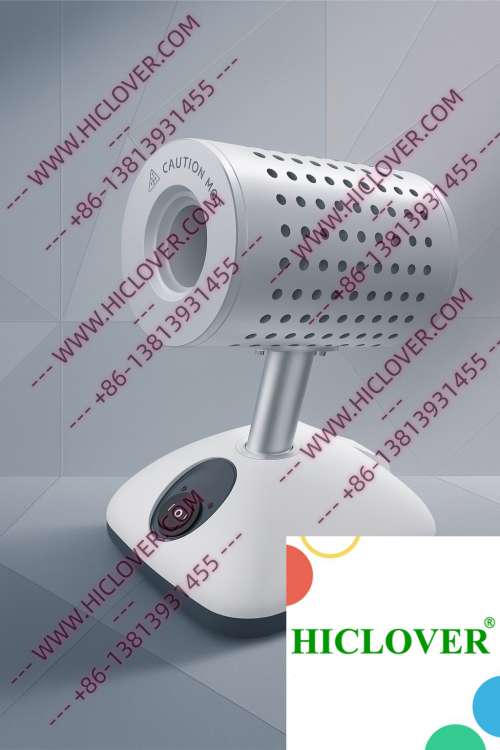
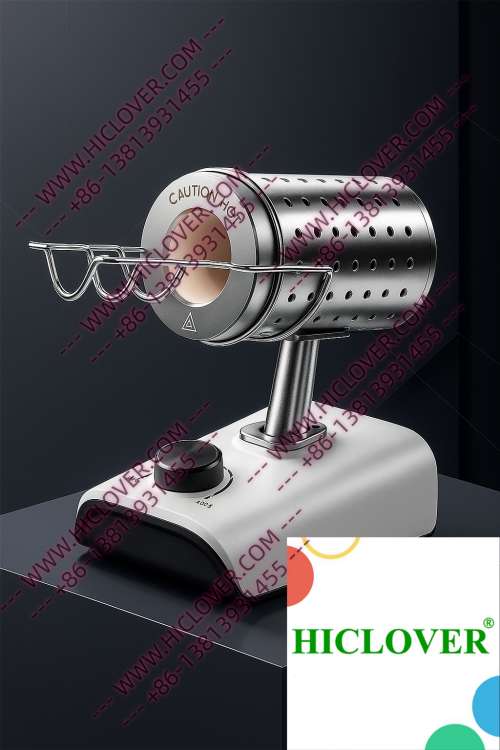
The Micro Incinerator / Infrared Inoculating Loop Sterilizer stands at the forefront of rapid thermal sterilization technology. Utilizing infrared heat, this device transforms how labs manage contamination control. Unlike traditional flame-based sterilizers, which can introduce aerosol risks and require open flames—prohibited in clean rooms—the Micro Incinerator incorporates an enclosed ceramic tube that provides a clean, efficient, and precise sterilization process.
Technical Principles of Operation
The Micro Incinerator operates by generating high temperatures through infrared radiation, targeting and neutralizing microbial contaminants on inoculating loops, needles, and other laboratory tools. This mechanism enables:
- Rapid Sterilization: Within seconds, the device reaches the ideal temperature for killing pathogens, significantly speeding up the sterilization workflow.
- Safe Operation: The absence of an open flame greatly reduces the risk of fire hazards, making it suitable for BSL-2 and BSL-3 microbiology labs.
- Minimal Equipment Footprint: The compact design fits seamlessly in various laboratory environments, including biosafety cabinets and mobile field testing setups.
- Biosafety Compliance: Ensures effective sterilization without the introduction of harmful aerosols.
- Environmentally Friendly Waste Management: By incinerating waste, microorganisms are neutralized before disposal, mitigating contamination risks to the environment.
- What is the main benefit of using a Micro Incinerator in a laboratory?
The primary benefit is its rapid thermal sterilization capability, which ensures effective contamination control while enhancing workflow efficiency. - Can Micro Incinerators be used in outdoor field testing?
Yes, many models are designed for portability and can safely operate on battery power or with minimal energy sources. - Is a Micro Incinerator safe for use in a clean room environment?
Absolutely. The device does not produce open flames or aerosols, making it ideal for BSL-2 and higher-level labs. - How does the sterilization process of a Micro Incinerator differ from traditional methods?
The Micro Incinerator uses infrared heat for quick, efficient sterilization, unlike traditional methods, which rely on open flames that require more time and introduce contamination risks. - What types of instruments can be sterilized with a Micro Incinerator?
Inoculating loops, needles, and some small stainless-steel tools can all be effectively sterilized using the Micro Incinerator.
Applications of Micro Incinerators in Laboratories
The versatility of Micro Incinerators shines across varied laboratory applications. Here are two notable scenarios:
1. Teaching Laboratories
In university teaching labs, students are taught vital sterilization techniques. The Micro Incinerator provides a hands-on experience without the dangers posed by traditional flame sterilizers. This setup encourages students to practice contamination control effectively while ensuring compliance with biosafety standards.
2. Field Testing Labs
During field testing in rural health campaigns, mobile laboratories must operate under strict sanitary conditions. The Micro Incinerator can sterilize instruments on-site, ensuring efficient waste disposal and the safety of microbiological work conducted in the field. This capacity is invaluable in regions with limited access to electricity, as many models operate on batteries or generators.
Compliance and Environmental Considerations
Adhering to biosafety and sterilization standards is paramount in laboratory settings. Organizations such as the World Health Organization (WHO) have established guidelines that dictate safe practices for sterilization, particularly concerning waste disposal. The Micro Incinerator meets these stringent standards, facilitating compliance through its:
Advantages of Micro Incinerators over Traditional Flame Sterilizers
When comparing Micro Incinerators to traditional flame burners like alcohol lamps and Bunsen burners, several advantages emerge:
| Feature | Micro Incinerator | Flame Burners |
|---|---|---|
| Safety | No open flame; reduced fire hazard | Fire risk; requires careful handling |
| Sterilization Time | Seconds to achieve sterilization | Longer wait for flame ignition and stabilization |
| Portability | Compact and easily transportable | Bulky and not always portable |
| Environmental Impact | Limited emissions; complies with clean room standards | Potential emissions and contamination risks |
FAQs About Micro Incinerators
Conclusion
As rural Peru works towards a more efficient and safe approach to laboratory waste disposal, Micro Incinerators promise enhanced sterilization capabilities that traditional flame sterilizers simply cannot match. These devices foster laboratory compliance with WHO biosafety standards while paving the way for healthier communities. If you’re interested in adopting advanced sterilization technologies in your laboratory or public health initiatives, don’t hesitate to reach out for more information about how Micro Incinerators can meet your needs.
Categories:
Tags: