
As Kuwait strives to enhance its green practices and adhere to global sustainability goals, the need for innovative waste management solutions has never been more pressing. Particularly in laboratory settings, biosafety challenges are amplified by traditional sterilization methods. From academia to clinical research, the demand for efficient and safe sterilization processes has prompted a shift towards advanced equipment such as Micro Incinerators, notably the Infrared Inoculating Loop Sterilizer. This article will explore the operational benefits, compliance standards, key applications, and significance of the Micro Incinerator in the context of Kuwait’s sustainable agenda.
Understanding the Micro Incinerator: Technical Principles and Advantages
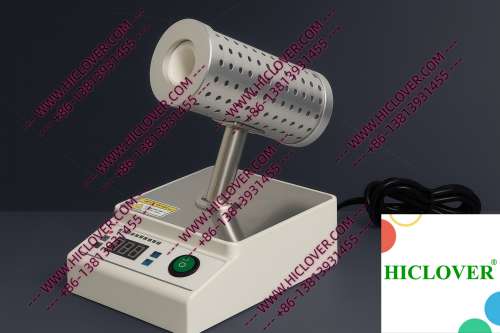
The Micro Incinerator operates on the principle of infrared heat generation, utilizing a closed ceramic tube to achieve rapid thermal sterilization. Unlike conventional flame-based methods, it generates high temperatures without the dangers associated with open flames. This design features:
- Ceramic Heating Chamber: Provides consistent temperature control, ensuring complete sterilization of loops and tools.
- Aero-Free Handling: Reduces the risk of aerosol generation, crucial for maintaining a clean environment.
- Portability: Lightweight and easy to operate, making it suitable for diverse laboratory settings.
This innovative approach yields several advantages over traditional sterilizers such as alcohol lamps and Bunsen burners. Notably, it minimizes the risk of accidents, enhances workflow efficiency, and aligns with stringent biosafety standards required in laboratories today.
Applications of Micro Incinerators in Laboratory Settings
Micro Incinerators are increasingly utilized across various laboratory environments due to their operational efficiency and safety features. Let’s examine two distinct application scenarios:
1. Biosafety Cabinets
In BSL-2 and BSL-3 microbiology labs, where biological hazards are present, the use of a Micro Incinerator within a biosafety cabinet significantly enhances contamination control. Researchers rely on their ability to quickly sterilize inoculating loops without exposing sensitive cultures to external contaminants. The infrared sterilizers enable safe, rapid, and flame-free handling of potentially hazardous materials, ensuring compliance with laboratory-specific protocols.
2. Teaching Laboratories
In university teaching labs, Micro Incinerators are a vital component of student training on sterilization techniques. These devices provide an excellent opportunity for learning due to their safety and effectiveness. Students can focus on practical skills, operating sterilizers without the inherent risks of flame. Furthermore, by familiarizing themselves with advanced sterilization technologies, they are better prepared for careers in clinical diagnostics and research.
Compliance with International Standards
Global standards for biosafety are stringent, particularly for laboratories handling pathogenic organisms. Compliance with the World Health Organization (WHO) biosafety guidelines mandates effective sterilization methods that mitigate contaminant risks. Traditional flame methods are often inadequate for operations in clean rooms, where the introduction of even minor particles can compromise experimental integrity.
Laboratory sterilization standards prohibit the use of open flames in many settings, emphasizing the importance of using devices like Micro Incinerators. They align well with:
- ISO 15189: Medical Laboratories – Requirements for Quality and Competence.
- Local regulatory frameworks in Kuwait concerning laboratory safety and waste management.
| Feature | Micro Incinerator | Traditional Flame Burners |
|---|---|---|
| Flame-Free Operation | ✔ | ✘ |
| Contamination Control | ✔ | ✘ |
| Rapid Sterilization | ✔ | ✔ |
| Portable Design | ✔ | ✘ |
| Energy Efficiency | ✔ | ✘ |
Frequently Asked Questions
1. What are the primary benefits of using a Micro Incinerator in the lab?
The Micro Incinerator offers rapid sterilization, enhanced safety with flame-free operation, and improved contamination control, making it suitable for various laboratory applications.
2. Can Micro Incinerators be used in field testing labs?
Yes, their lightweight and portable design makes them ideal for field testing setups, allowing researchers to maintain sterilization protocols on-site.
3. How do Micro Incinerators comply with WHO biosafety standards?
These devices meet strict biosafety regulations by providing efficient sterilization without the risks associated with open flames, ensuring a safe working environment.
4. Are Micro Incinerators user-friendly for students in teaching labs?
Absolutely! Their straightforward operation allows students to learn sterilization techniques effectively, promoting hands-on experience without exposure to hazardous flames.
5. What makes Micro Incinerators a sustainable choice for laboratories?
Micro Incinerators reduce the overall environmental impact by enabling efficient waste management, lowering energy consumption, and promoting safer laboratory practices.
Conclusion
As Kuwait looks toward building a more sustainable future, the integration of innovative technologies such as the Micro Incinerator into laboratory procedures is critical. By embracing these sophisticated sterilization techniques, educational institutions, research centers, and hospitals can significantly enhance their safety profiles, operational efficiency, and compliance with international biosafety standards.
For more information or to discuss procurement options for Micro Incinerators, please don’t hesitate to contact us today. Ensure your laboratory is at the forefront of the sustainability movement in waste management.
Categories:
Tags: