
As Dubai continues to expand into a bustling metropolis, addressing biosafety challenges and sterilization workflow demands in laboratories is more critical than ever. The efficient management of biological waste and the assurance of clean, sterile environments in clinical and research settings necessitate reliable sterilization methods. Traditional flame sterilizers, often used in labs, face limitations in terms of safety, efficiency, and compliance with modern laboratory standards. In this context, the Micro Incinerator stands out as a transformative solution for Dubai’s growing demand for innovative waste handling.
Technical Principles Behind Micro Incinerators
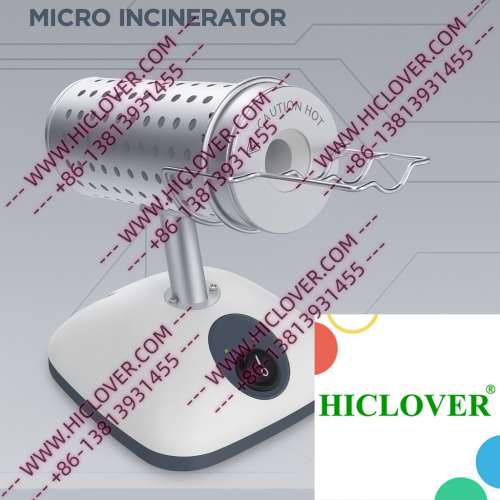
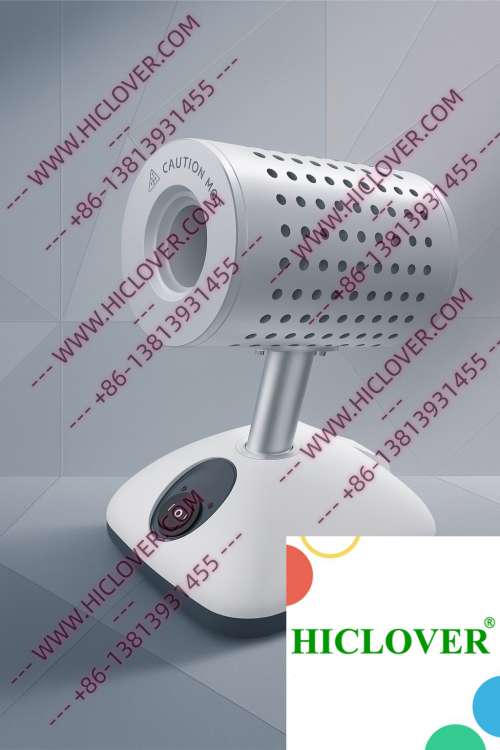
The Micro Incinerator, also known as the Infrared Inoculating Loop Sterilizer, utilizes innovative infrared heat technology for rapid thermal sterilization. This equipment operates by enclosing the sterilization chamber within a ceramic tube that generates high temperatures, effectively eliminating pathogens without the need for open flames. The absence of flames is particularly beneficial in cleanroom environments, where aerosol-free handling and contamination control are paramount.
Comparison: Micro Incinerator vs. Traditional Flame Sterilizers
| Feature | Micro Incinerator | Flame Sterilizers |
|---|---|---|
| Heat Source | Infrared | Open Flame (Alcohol Lamps/Bunsen Burners) |
| Safety | Non-flammable, minimizes risk of aerosol | Higher risk of fire and burns |
| Efficiency | Fast sterilization cycles | Longer heat-up time |
| Cleanroom Compatibility | Clean-bench-safe | Not suitable for cleanroom use |
| Portability | Lightweight, easy to transport | Require gas supply |
Practical Applications in Laboratory Settings
1. University Teaching Labs
In academic settings, particularly in university teaching labs, the Micro Incinerator provides an effective means of sterilizing inoculating loops and other instruments used in microbiological experiments. The controlled environment enhances student safety, allowing them to focus on learning without the fear of accidental flame exposure. The rapid sterilization process enables efficient workflow, accommodating multiple students and experiments within a limited timeframe.
2. Mobile Field Testing Labs
For field testing laboratories, such as those conducting epidemiological studies or environmental assessments, the Micro Incinerator offers a portable, efficient solution to sterilize equipment on-site. Its lightweight design ensures ease of transport, while its infrared technology allows for quick turnaround times, essential for maintaining biosafety protocols amidst variable field conditions.
Compliance and Environmental Considerations
Compliance with international biosafety standards and sterilization regulations is critical in laboratory environments. The World Health Organization (WHO) emphasizes the importance of effective sterilization methods to prevent contamination and ensure safety in health settings. Unlike traditional flame sterilizers, the Micro Incinerator adheres to rigorous laboratory sterilization standards, making it ideal for use in BSL-2 and BSL-3 microbiology labs.
In addition, its design reduces the risk of aerosol generation, thereby minimizing potential exposure to hazardous biological materials. This is crucial in cleanroom operations and when using CO₂ incubators or anaerobic chambers, where maintaining sterile conditions is vital for successful experiments and patient safety.
Frequently Asked Questions
- What is the primary advantage of using a Micro Incinerator over traditional flame sterilizers?
The primary advantage is safety—Micro Incinerators reduce fire risk and enhance sterility by avoiding flame exposure. - Can the Micro Incinerator be used in field laboratories?
Yes, its lightweight design and efficient operation make it perfect for mobile applications. - How does the Micro Incinerator ensure compliance with biosafety standards?
It meets WHO biosafety guidelines and is effective in controlling contamination without reliance on flames. - What types of laboratories benefit most from using a Micro Incinerator?
University teaching labs, clinical diagnostics, and microbiology labs all benefit significantly from its use. - Is the Micro Incinerator environmentally friendly?
Yes, it produces no open flames or harmful emissions compared to traditional flame sterilizers.
Conclusion
As Dubai’s growing metropolis grapples with biosafety challenges, the adoption of Micro Incinerators as a central component of laboratory sterilization workflows can enhance safety, efficiency, and compliance with modern standards. In a world where contamination control is non-negotiable, investing in quality sterilization equipment becomes pivotal for laboratories. For those interested in pioneering waste solutions in their operations, we encourage you to explore our range of Micro Incinerators today. Enhance your laboratory’s safety and efficiency – contact us to learn more or to make a purchase!