
In the ever-evolving landscape of laboratory biosafety, one significant challenge remains: the effective sterilization of laboratory equipment and medical waste. Traditional methods of sterilization, often reliant on flame sterilizers such as alcohol lamps and Bunsen burners, raise concerns surrounding contamination control, safety, and efficiency. Enter the Micro Incinerator, particularly the Infrared Inoculating Loop Sterilizer, which is set to redefine the sterilization process in laboratories across Las Vegas and beyond.
Understanding the Technical Principle Behind Micro Incinerators
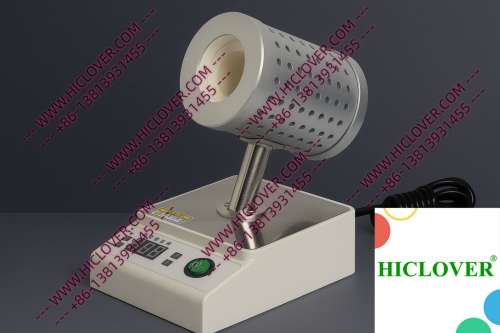
The Micro Incinerator operates using advanced infrared heat technology, allowing for rapid thermal sterilization without the drawbacks associated with open flame. This innovative device features an enclosed ceramic heating chamber that achieves high temperatures swiftly, ensuring the complete elimination of biological contaminants on inoculating loops, needles, and other small instruments.
Key characteristics of the Micro Incinerator include:
- Infrared high-temperature disinfection that is clean-bench-safe.
- Aerosol-free handling, reducing risks of airborne contamination.
- Compact design that is ideal for BSL-2 and BSL-3 microbiology labs.
- Energy-efficient operation, contributing to reduced laboratory costs.
Applications of Micro Incinerators in Real Laboratory Settings
The introduction of Micro Incinerators is particularly beneficial in various laboratory environments, such as:
1. Biosafety Cabinet Use
Within BSL-2 and BSL-3 microbiology labs, maintaining stringent biosafety protocols is crucial. The Micro Incinerator can be easily placed in biosafety cabinets without compromising containment. Its rapid thermal sterilization cycle allows lab technicians to efficiently sterilize loops and needles while working within the cabinet environment, minimizing the risk of contamination.
2. Field Testing Laboratories
In mobile or field testing labs where space and resources are limited, the portability and fast operation of the Micro Incinerator are game-changers. Researchers can carry this compact sterilization tool to remote locations, enabling quick sterilization of tools on-site without relying on traditional flame sterilizers that may pose flammability risks. This approach helps researchers adhere to proper sterilization protocols, even under challenging conditions.
Compliance with Biosafety Standards and Environmental Considerations
The World Health Organization (WHO) emphasizes the importance of stringent lab sterilization standards to ensure the safety of laboratory personnel and the surrounding environment. Traditional flame sterilizers can create dangerous scenarios, particularly in clean room environments. They are not compliant with current safety standards that prohibit open flames in these settings.
The Micro Incinerator offers a safer alternative, delivering effective sterilization without open flames. Its design is compliant with WHO biosafety guidelines, making it a preferred choice for labs dedicated to maintaining the highest safety standards. Its operation helps laboratories not only adhere to safety regulations but also contributes to environmental conservation by minimizing disposable waste from single-use sterilization products.
Comparative Analysis: Micro Incinerator vs. Flame Sterilizers
| Feature | Micro Incinerator | Flame Sterilizers |
|---|---|---|
| Safety | Flame-free, reduces risk of burns and contamination | Open flame poses fire hazards and contamination risks |
| Speed of Sterilization | Rapid thermal sterilization | Slower heating process |
| Environmental Impact | Energy efficient, reduces disposable waste | Higher resource use and waste generation |
| Application Versatility | Ideal for diverse lab settings (BSL-2, field testing, teaching) | More limited utility, less effective in clean rooms |
Frequently Asked Questions
Q1: How does the Micro Incinerator compare to traditional sterilization methods?
A1: The Micro Incinerator offers superior safety and efficiency by eliminating the risks associated with open flames and providing rapid sterilization capabilities.
Q2: Is the Micro Incinerator suitable for use in BSL-3 laboratories?
A2: Yes, its enclosed design and compliance with safety standards make it ideal for use in BSL-3 labs.
Q3: Can the Micro Incinerator be used in field settings?
A3: Absolutely! Its compact design and portability make it a perfect choice for mobile laboratory applications.
Q4: How does the Micro Incinerator contribute to environmental safety?
A4: By minimizing waste generated through single-use sterilization products and operating efficiently, it positively impacts environmental conservation.
Q5: What measures are in place to ensure compliance with WHO standards?
A5: The Micro Incinerator is engineered to meet rigorous WHO biosafety and sterilization standards, ensuring safe operation in various lab environments.
Conclusion
As healthcare facilities, universities, and research centers in Las Vegas and across the globe face the challenges of medical waste management and lab safety, the introduction of Micro Incinerators provides a modern solution. With their exceptional features, compliance with biosafety regulations, and versatile applications, these devices represent a significant leap forward in laboratory sterilization techniques. For laboratories looking to upgrade their sterilization workflows or enhance safety measures, the Micro Incinerator is a reliable choice that merits consideration. Contact us today to learn more about integrating this innovative solution into your laboratory.
Categories:
Tags: