
In the rapidly evolving field of laboratory biosafety, the need for highly effective sterilization methods has never been more critical. Labs handling pathogenic organisms face increasing challenges in maintaining a sterile environment, ensuring safety for staff, and fulfilling regulatory requirements. Traditional sterilization methods, while effective, can often be cumbersome and pose risks associated with open flames, volatile chemicals, and the generation of aerosols. One of the innovations addressing these challenges is the Micro Incinerator, or Infrared Inoculating Loop Sterilizer. This technology not only enhances sterilization efficiency but also improves workflow in various laboratory settings.
Technical Principles of Micro Incinerators
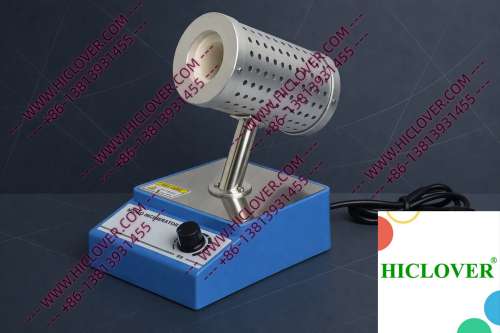
The core technology behind the Micro Incinerator revolves around rapid thermal sterilization via infrared heat. This device uses an enclosed ceramic heating chamber that reaches high temperatures in a fraction of a second, allowing for the effective destruction of spores and pathogens on inoculating loops and other small instruments. Unlike traditional flame sterilizers, which can create contamination risks through exposed flames and particulates, Micro Incinerators operate without any open flames, providing a clean-bench-safe environment.
Design and Configuration
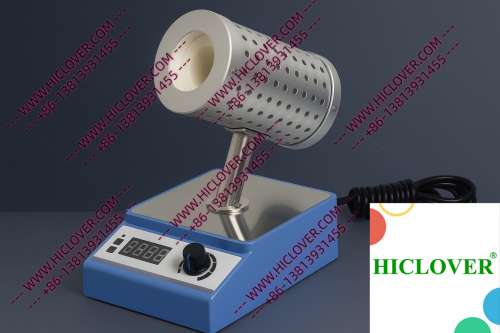
Typically, Micro Incinerators are designed to be compact and portable, making them suitable for a range of settings from teaching laboratories to clinical diagnostics. The ceramic tube, integral to the device’s operation, facilitates controlled heating, allowing for consistent sterilization results. Users appreciate the ergonomic design, which incorporates safety features such as auto shut-off and an indicator light that signals when the unit is ready for use.
Applications in Real Laboratories
1. University Teaching Labs
In academic settings, Micro Incinerators serve as vital teaching tools. Instructors can demonstrate sterilization techniques while ensuring student safety. In BSL-2 microbiology labs, for example, these devices offer an efficient solution for students practicing aseptic techniques without the hazards associated with open flames. Instructors appreciate that students can see how quickly and effectively the device works to sterilize inoculating loops before transferring cultures.
2. Clinical Diagnostics and Mobile Field Testing
In clinical labs and during mobile field testing, rapid sterilization is essential for preventing cross-contamination. Micro Incinerators shine in these environments, where portability and speed are paramount. For instance, during outbreaks or disease surveillance, field teams can utilize these devices to ensure that equipment remains sterile under challenging conditions, all while adhering to WHO biosafety standards.
Compliance and Environmental Considerations
With increasing scrutiny on laboratory practices, adherence to compliance is critical. Micro Incinerators align with WHO biosafety guidelines and meet or exceed various lab sterilization standards. Unlike traditional flame sterilizers, which pose risks in clean rooms and require additional ventilation, these infrared sterilizers significantly reduce the risk of aerosol generation and open flames, ensuring safer environments for both lab personnel and sensitive experiments.
- WHO biosafety regulations
- Environmental sustainability through reduced chemical use
- Enhanced safety protocols for BSL-3 labs
- Minimal risk of contamination from flame products
Advantages Over Traditional Flame Sterilizers
The Micro Incinerator offers numerous advantages compared to conventional flame sterilizers such as alcohol lamps and Bunsen burners:
| Feature | Micro Incinerator | Traditional Flame Sterilizers |
|---|---|---|
| Safety | Flame-free operation | Risk of fire hazards |
| Contamination Control | No aerosol generation | Aerosols from combustion products |
| Efficiency | Rapid heating and sterilization | Longer heating times |
| Portability | Compact design | Bulky and requires gas source |
FAQs
What are the primary benefits of using a Micro Incinerator in laboratory settings?
The primary benefits include increased safety with flame-free operation, rapid sterilization times, and enhanced contamination control, making them ideal for both educational and professional settings.
How does an infrared sterilizer compare to a Bunsen burner?
While Bunsen burners pose risks of ignition and generate aerosols, infrared sterilizers provide a clean, efficient, and safer alternative for microbial sterilization in labs.
Are Micro Incinerators suitable for use in field labs?
Yes, their compact design and quick sterilization capabilities make them particularly suitable for mobile field testing where rapid response is vital.
What laboratory regulations do Micro Incinerators comply with?
Micro Incinerators comply with WHO biosafety guidelines and various international sterilization standards, making them a compliant choice for labs worldwide.
Can any laboratory eliminate the use of traditional flame sterilizers?
While many labs can significantly reduce their reliance on traditional flame sterilizers, a careful evaluation of specific needs and protocols is necessary before transitioning entirely.
Conclusion
The evolution of sterilization technology, particularly with the adoption of Micro Incinerators and Infrared Inoculating Loop Sterilizers, represents a significant advancement in laboratory safety and efficiency. As laboratories strive to meet higher safety standards, these devices emerge as indispensable tools for contamination control and microbial destruction. Interested in upgrading your laboratory sterilization methods? Please contact us today to explore our innovative sterilization solutions tailored to meet your precise needs.
Categories:
Tags: