
Laboratories around the globe face increasing pressures to maintain stringent biosafety standards while ensuring efficient sterilization workflows. Challenges such as contamination control, regulatory compliance, and the need for rapid thermal sterilization solutions have driven the search for advanced sterilization technologies. Among these innovations, the Micro Incinerator, also known as the Infrared Inoculating Loop Sterilizer, stands out as a game-changer.
Understanding the Micro Incinerator
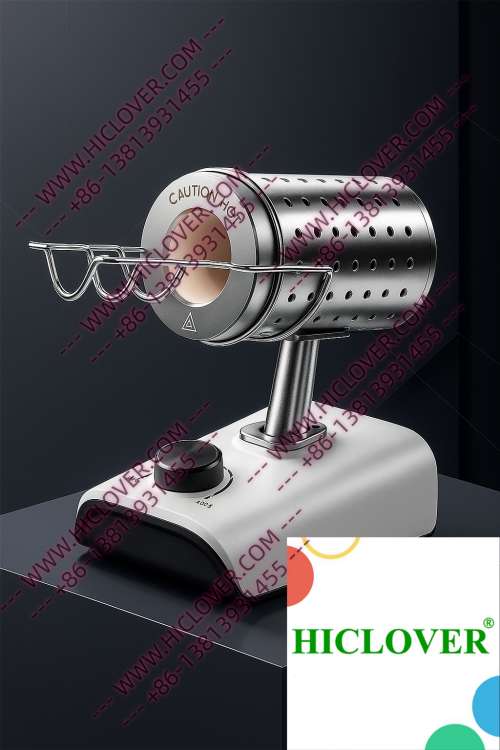
The Micro Incinerator utilizes infrared heat to achieve high-temperature disinfection. Unlike traditional flame sterilizers like Bunsen burners and alcohol lamps, which pose risks such as open flames and volatile alcohol vapors, the Micro Incinerator features an enclosed ceramic heating chamber. This design offers a clean-bench-safe option that minimizes the risks associated with aerosol handling and cross-contamination.
The principle behind infrared sterilization involves generating heat through infrared radiation, which is transmitted directly to the inoculating loop or other tools. This technology enables rapid heating, significantly reducing the sterilization time compared to conventional methods.
Key Features of the Micro Incinerator
- Rapid Thermal Sterilization: Achieves full sterilization in mere seconds.
- Infrared Heat Technology: Ensures even heat distribution and efficient energy use.
- Clean-Bench-Safe: Eliminates the risk of flame exposure in sensitive laboratory environments.
- Compact and Portable: Ideal for field-testing laboratories and mobile setups.
Real-World Applications
Micro Incinerators have found diverse applications in various laboratory environments, making them an essential tool for maintaining hygiene and compliance.
Application Scenario 1: University Teaching Labs
In university teaching labs, the need for safe and effective sterilization is paramount. Students handling cultures and bacteria require not only effective sterilization tools but also safe alternatives to flame-based methods. Utilizing a Micro Incinerator ensures that students can confidently sterilize their loops without the risk of burns or contamination. This is particularly important in coursework focused on microbiology, where safety and efficient practices are crucial.
Application Scenario 2: BSL-2 Microbiology Labs
In a BSL-2 microbiology lab, researchers are often exposed to potentially infectious agents. Utilizing a Micro Incinerator within a biosafety cabinet allows for aerosol-free handling of sterilization processes. The risk of exposure to contaminants is greatly reduced, enabling technicians to maintain a sterile environment while handling sensitive samples. The efficiency with which these sterilizers operate means that researchers can focus more on their work and less on the sterilization process itself.
Compliance and Environmental Considerations
Globally recognized organizations such as the World Health Organization (WHO) provide guidelines on laboratory safety and sterilization practices. Adhering to these biosafety standards and local regulations is essential for any laboratory operation. The Micro Incinerator complies with various lab sterilization standards more effectively than traditional flame sterilizers.
Specifically, in environments like cleanrooms, which prohibit open flames to avoid contamination, the Micro Incinerator’s enclosed heating chamber is an ideal solution. Its utilization leads to a safer working environment, allowing for greater adherence to compliance regulations and enhanced laboratory workflow.
Advantages Over Traditional Flame Sterilizers
When comparing the Micro Incinerator to traditional flame sterilizers such as alcohol lamps and Bunsen burners, several clear advantages emerge:
| Feature | Micro Incinerator | Flame Burners |
|---|---|---|
| Safety | Enclosed, no open flame | Open flame poses fire risks |
| Temperature Control | Instant and consistent | Difficult to control |
| Efficiency | Rapid sterilization in seconds | Longer wait times for cooling |
| Contamination Risk | Minimal aerosol generation | Higher risk of aerosols |
Frequently Asked Questions
1. How does the Micro Incinerator improve lab efficiency?
The Micro Incinerator provides rapid thermal sterilization, allowing lab technicians to focus on their work without delays caused by traditional sterilization methods.
2. Is the Micro Incinerator safe to use in cleanroom environments?
Yes, its enclosed design eliminates open flames, making it compliant with cleanroom standards and safe for sterile environments.
3. Can the Micro Incinerator be used for field testing labs?
Absolutely! Its portability and compact design make it an ideal choice for mobile laboratories and field testing setups.
4. What are the main benefits compared to conventional sterilizers?
Main benefits include faster sterilization, reduced contamination risks, and enhanced safety during use.
5. How can I ensure compliance with national lab standards while using the Micro Incinerator?
Regular calibration, maintenance, and adhering to manufacturer guidelines will help ensure compliance with national laboratory standards.
Conclusion
The advancement of sterilization technology through innovations like the Micro Incinerator marks a significant evolution in laboratory practices. With its enhanced safety, efficiency, and compliance capabilities, this sterilizer is transforming sterilization workflows across various laboratory settings. For institutions looking to upgrade their sterilization processes, the Micro Incinerator represents not just a purchase but an investment in safety and efficiency.
Contact us today to learn more about how our Micro Incinerator can support your laboratory’s needs and transform your sterilization workflow.
Categories:
Tags: