
As the demand for laboratory biosafety increases, laboratories face significant challenges in maintaining sterile environments to prevent contamination. Traditional methods of sterilization, such as using flame-based devices like alcohol lamps and Bunsen burners, often exhibit drawbacks related to safety, efficiency, and reliability. These challenges underscore the necessity for advanced sterilization technologies. One standout innovation is the Micro Incinerator or Infrared Inoculating Loop Sterilizer, which promises rapid thermal sterilization with enhanced contamination control.
The Technical Principle of Infrared Inoculating Loop Sterilizers
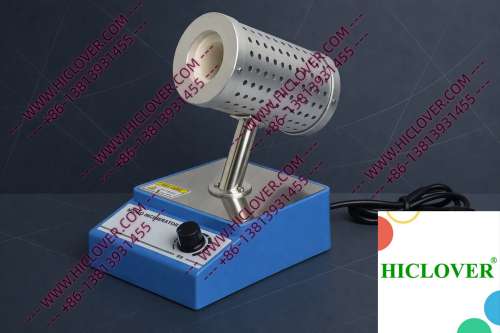
At the heart of the Micro Incinerator’s effectiveness lies its use of infrared heating technology. Unlike traditional flame sterilization, which can produce hazardous fumes and requires constant supervision, the Micro Incinerator utilizes an enclosed ceramic heating chamber. This design not only enhances safety by eliminating open flames but also ensures controlled and uniform heating, capable of achieving temperatures over 800°C (1472°F) in seconds.
When an inoculating loop is placed within the ceramic tube, the infrared energy penetrates the surface, killing bacteria and other pathogens rapidly. The precise heating conditions reduce the risk of aerosols being generated, particularly significant in sensitive environments such as biosafety cabinets or during field testing scenarios where contamination control is paramount.
Applications of Micro Incinerator in Real Labs
1. Laboratory Environments: BSL-2 and BSL-3 Microbiology Labs
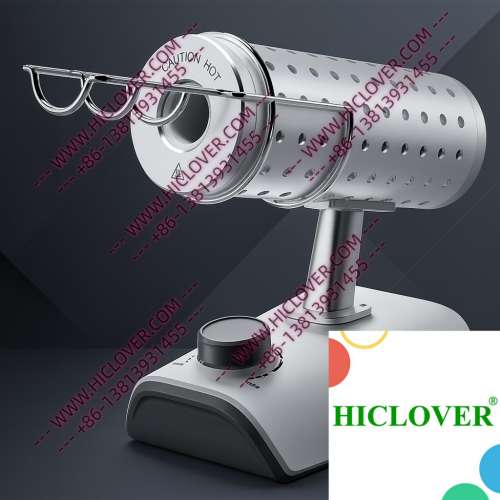
In BSL-2 and BSL-3 labs focusing on clinical diagnostics, the Micro Incinerator serves as a highly effective tool for sterilizing inoculating loops, needles, and other equipment. Its closed design minimizes the risk of exposure to hazardous microorganisms, making it suitable for handling specimens that require strict biosafety measures. The rapid sterilization cycle ensures that laboratory workflows remain uninterrupted, increasing overall laboratory throughput.
2. University Teaching Labs and Research Centers
In educational settings, the Micro Incinerator is indispensable for teaching safe inoculation techniques to students. Its flame-free operation enables students to focus on learning without the distractions and risks associated with open flames. Moreover, the Micro Incinerator is ideal for field testing labs where portable sterilization solutions are needed. It can be operated with great efficiency, ensuring samples remain uncontaminated during transit.
Compliance with Biosafety Standards
Globally, stringent biosafety standards guide laboratory sterilization protocols, such as those set forth by the World Health Organization (WHO). The Micro Incinerator aligns with these guidelines, providing a flame-free option that is particularly beneficial in cleanroom environments or when working within biosafety cabinets.
- No flame sterilization: Meets the needs of clean rooms by eliminating combustion.
- Aerosol-free handling: Essential for infection control in clinical diagnostics.
- Rapid thermal sterilization: Ensures quick turnaround to enhance laboratory productivity.
By adhering to established sterilization standards, the Micro Incinerator provides a reliable solution that enhances laboratory safety, thereby helping institutions reduce risks associated with pathogen transmission.
Advantages of the Micro Incinerator vs. Traditional Flame Sterilizers
Compared to Bunsen burners and alcohol lamps, the Micro Incinerator offers several critical advantages:
| Feature | Micro Incinerator | Flame Sterilizers |
|---|---|---|
| Safety | Flame-free, enclosed system | Open flame, risk of burns |
| Efficiency | Rapid sterilization | Slower heat-up time |
| Contamination Control | Aerosol-free, reduced risk | Higher contamination risk from aerosols |
| Mobility | Compact, portable | Bulky, less mobile |
Frequently Asked Questions (FAQs)
- What is the primary advantage of using a Micro Incinerator over traditional methods of sterilization?
Its flame-free operation drastically reduces safety risks while enhancing contamination control and sterilization speed. - Can the Micro Incinerator be used in cleanroom environments?
Yes, its design eliminates open flames, making it compliant with cleanroom protocols. - Is the Micro Incinerator easy to operate?
The device is user-friendly, often requiring minimal training for effective use in laboratory settings. - How long does it take for the Micro Incinerator to sterilize an inoculating loop?
It typically achieves effective sterilization within seconds. - Are there any maintenance requirements for the Micro Incinerator?
Routine cleaning of the ceramic tube is recommended to maintain optimal performance.
Conclusion
In today’s dynamic laboratory landscape, the Micro Incinerator / Infrared Inoculating Loop Sterilizer stands out as a beacon of innovation for enhancing sterilization efficiency and safety. Whether employed in high-security BSL-3 labs, educational environments, or mobile field testing, this device offers a compelling alternative to traditional flame sterilizers. If you want to maximize safety and efficiency in your laboratory processes, consider integrating the Micro Incinerator into your workflow. Reach out to us today to learn more about procurement options—your path to superior sterilization begins here!
Categories:
Tags: