
In today’s fast-paced laboratory environments, achieving rapid thermal sterilization while maintaining high biosafety standards presents significant challenges. The growing need for effective sterilization solutions is driven by the mandates for contamination control, particularly in British hospitals and research facilities. Among various sterilization methods, the emergence of Loop Sterilizers, specifically Micro Incinerator / Infrared Inoculating Loop Sterilizers, has revolutionized laboratory sterilization protocols. These advanced devices offer a safe, swift, and effective alternative to traditional sterilizing methods.
Understanding Micro Incinerators and Their Technical Principles
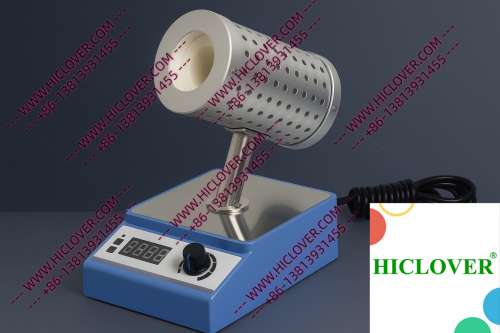
The Micro Incinerator operates on the principle of infrared heat generation, utilizing a ceramic heating chamber to achieve high temperatures rapidly. Unlike conventional alcohol lamps or Bunsen burners that pose fire hazards and require open flames, the Micro Incinerator offers enclosed, flame-free sterilization. Its design ensures a clean-bench-safe environment, crucial for both BSL-2 and BSL-3 microbiology labs, where maintaining sterility is vital to prevent contamination.
Key Features of Micro Incinerators
- Rapid sterilization: Achieves sterilization in just seconds with high thermal conduction.
- Safety: Eliminates the risks associated with open flames and reduces the risk of aerosol generation.
- Versatility: Ideal for use in laboratory settings, including biosafety cabinets, field tests, and teaching labs.
- Power efficiency: Consumes less energy compared to traditional flame-based sterilizers.
Application Scenarios in Real Labs
1. Teaching Laboratories
University teaching labs often serve as the first introduction to sterilization practices for budding scientists. In these environments, the Micro Incinerator provides a safe and effective way to teach students about sterilization techniques without the risks associated with flame sterilization. Students can practice inoculating loops while benefitting from immediate feedback on sterilization efficacy, making hands-on learning both safe and productive.
2. Mobile Field Testing Labs
In the field, particularly during outbreaks or in remote locations, rapid sterilization tools become paramount. Micro Incinerators are lightweight and portable, making them ideal for mobile labs that require frequent sterilization of equipment without the need for bulky, flammable substances. For instance, during epidemiological studies, researchers can quickly decontaminate inoculating loops used to collect samples, ensuring that cross-contamination remains minimal.
Regulations and Compliance in Laboratory Environments
Compliance with global biosafety standards, such as those set by the World Health Organization (WHO), is crucial for all laboratories, particularly in the healthcare sector. Micro Incinerators adhere to stringent lab sterilization standards, ensuring that all sterilizing equipment meets or exceeds these requirements. Flame sterilizers are not permitted in clean rooms or areas where particulate contamination must be meticulously controlled. The silent operation and lack of flame in Micro Incinerators help to maintain an aerosol-free handling process, which is essential in clinical diagnostics and environmental health assessments.
Biosafety Compliance Reference
Compliance with WHO regulations ensures that laboratories maintain the highest standard for excluding microbial contamination. For this reason, Micro Incinerators are increasingly favored over traditional methods of sterilization.
Comparing Micro Incinerators and Traditional Flame Sterilizers
| Feature | Micro Incinerator | Flame Sterilizer |
|---|---|---|
| Temperature Control | Rapid infrared heating | Manual flame control |
| Safety | Flame-free operation | Open flame risks |
| Portability | Compact and lightweight | Bulky and requires fuel |
| Energy Efficiency | Low energy consumption | High energy consumption |
| Contamination Control | No aerosol generation | Potential for aerosol contamination |
FAQs on Micro Incinerators
1. What is a Micro Incinerator used for?
A Micro Incinerator is primarily used for rapid thermal sterilization of inoculating loops and other small laboratory equipment, ensuring effective contamination control in various lab settings.
2. How does infrared heat work in sterilization?
Infrared heat works by generating intense thermal energy through a ceramic tube, allowing for immediate disinfection of tools and surfaces without the need for an open flame.
3. Are Micro Incinerators safe to use in BSL-2 labs?
Yes, Micro Incinerators are designed for use in BSL-2 and BSL-3 labs, providing a safe sterilization method that meets strict biosafety protocols.
4. Can Micro Incinerators be used for teaching purposes?
Absolutely! They are ideal for educational environments as they allow students to learn sterilization techniques safely and efficiently, without the risks associated with open flames.
5. How do Micro Incinerators compare in cost to traditional flame sterilizers?
While the initial investment may be higher, Micro Incinerators offer long-term savings due to their energy efficiency, safety improvements, and reduced risk of lab accidents.
Conclusion
As the landscape of laboratory practices evolves, the introduction of advanced sterilization methods is critical. Micro Incinerators exemplify innovation in sterilization technology, addressing the stringent demands for biosafety and efficiency in British hospitals and laboratories. With their numerous advantages over traditional flame sterilizers, the adoption of this technology becomes an essential step toward enhancing laboratory processes, ensuring safety, and maintaining compliance with biosafety standards.
For organizations seeking to elevate their sterilization practices and invest in a future-ready solution, consider the Micro Incinerator / Infrared Inoculating Loop Sterilizer. Contact us today to learn more about how this revolutionary equipment can transform your laboratory protocols.
Categories:
Tags: