
Laboratories face a multitude of biosafety challenges, particularly surrounding the effective sterilization of tools and surfaces. With stringent demands for contamination control in microbiology, healthcare, and research settings, the need for advanced sterilization solutions has never been more pressing. This article delves into the revolutionary technology behind Micro Incinerator / Infrared Inoculating Loop Sterilizers, which have emerged as a superior alternative to traditional flame sterilizers.
Technical Principles of Infrared Sterilization
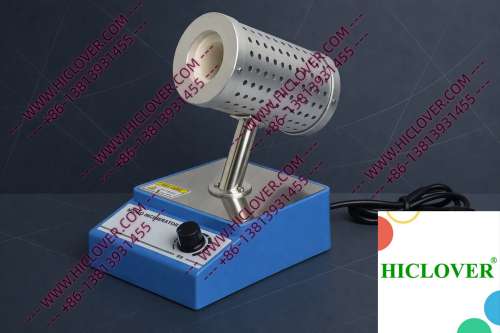
At the heart of the Micro Incinerator’s effectiveness lies its use of infrared heat technology. Unlike traditional methods such as alcohol lamps or Bunsen burners, which blaze with an open flame, these sterilizers employ a unique ceramic heating chamber. This chamber generates high-temperature disinfection without the hazards associated with flame. As soon as the inoculating loop or needle is inserted into the enclosed ceramic tube, it is rapidly sterilized within seconds through controlled infrared thermal sterilization. This process significantly reduces the risk of aerosol creation, making it a clean-bench-safe option for delicate environments.
Applications in Various Laboratory Settings
1. University Teaching Labs
In university teaching labs, the demand for a reliable and safe sterilization tool is paramount. Students often require hands-on experience with biological samples, where contamination control is critical. Implementing infrared inoculating loop sterilizers not only enhances safety but also fosters an educational environment focused on best practices in biosafety and laboratory protocols. The rapid sterilization capabilities allow for swift transitions between experiments, increasing efficiency without compromising practices.
2. Clinical Diagnostics and BSL-2 Labs
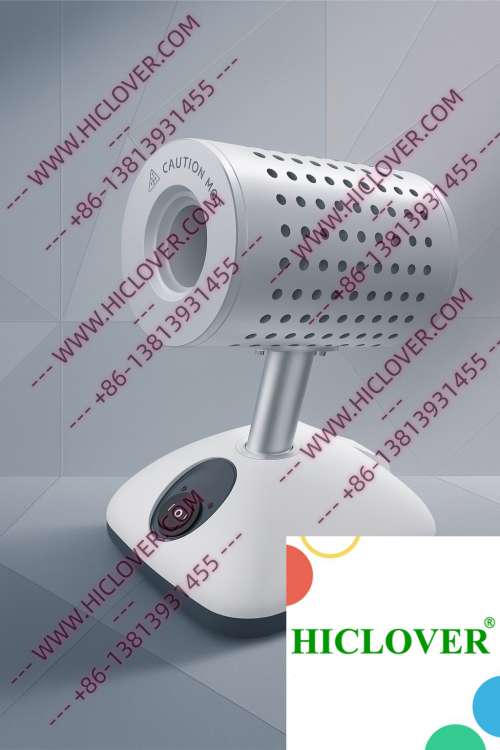
In clinical laboratories and BSL-2 settings, the stakes are even higher. These environments handle potentially infectious materials, making the need for non-combustible, efficient sterilization tools vital. Infrared inoculating loop sterilizers offer a compact, user-friendly design ideal for stays within laminar flow hoods or biosafety cabinets. By eliminating open flames, these devices not only reduce the risk of biohazard exposure but do so in line with WHO biosafety guidelines and laboratory sterilization standards.
Compliance and Environmental Considerations
Adhering to biosafety regulations is crucial in any laboratory setting. The World Health Organization (WHO) outlines strict biosafety guidelines to minimize the risks associated with exposure to infectious agents. Conventional flame sterilizers often generate smoke and aerosols, which can compromise sterile environments. In contrast, Micro Incinerators provide a flame-free solution that maintains cleanroom integrity—an essential requirement in pharmaceutical and clinical laboratories. Their design eliminates additional fire risks, making them suitable for environments sensitive to ignition sources, such as CO₂ incubators and anaerobic chambers.
Comparison: Micro Incinerator vs. Traditional Flame Burners
| Feature | Micro Incinerator | Flame Burners |
|---|---|---|
| Heat Source | Infrared & Ceramic Chamber | Open Flame |
| Speed of Sterilization | Seconds | Variable |
| Risk of Contamination | Minimal | High (Aerosols and Smoke) |
| Environment Safety | High (No Flame) | Low (Open Flame Risks) |
Frequently Asked Questions
- What types of samples can be sterilized using a Micro Incinerator? The Micro Incinerator is ideal for sterilizing inoculating loops, needles, and other small laboratory tools commonly used with biological samples.
- How long does it take for the Micro Incinerator to fully sterilize the inoculating loop? Sterilization is achieved in mere seconds, enhancing laboratory workflow efficiency.
- Are Micro Incinerators suitable for use in cleanrooms? Yes, Micro Incinerators are designed for cleanroom environments, providing a safe and efficient sterilization method without introducing contaminants.
- How does the Micro Incinerator enhance laboratory safety? By eliminating open flames, these devices significantly reduce fire hazards and aerosol generation, promoting a safer laboratory environment.
- What maintenance is required for a Micro Incinerator? Regular cleaning of the ceramic chamber and ensuring the device is free from debris will optimize its performance and lifespan.
Importance of Innovation in Laboratory Sterilization
The advancement of laboratory sterilization equipment like the Micro Incinerator / Infrared Inoculating Loop Sterilizer represents a leap forward in biosafety and operational efficiency. As the demand for rapid thermal sterilization grows, particularly in fields ranging from clinical diagnostics to educational training, these devices align perfectly with the evolving landscape of laboratory work. With their compact design and robust functionality, they stand out as an essential asset for laboratories aiming to uphold the highest standards of cleanliness and safety.
For those seeking to elevate their laboratory sterilization processes or inquire about the procurement of Micro Incinerators, we invite you to contact us today. Discover how our innovative solutions can enhance your laboratory’s operational efficiency while ensuring compliance with international biosafety standards.
Categories:
Tags: