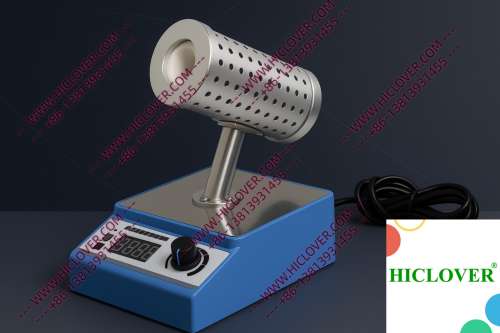
In modern laboratory settings, the capacity to maintain biosafety while ensuring effective sterilization is of paramount importance. Laboratories are often challenged by the need to manage hazardous biological materials without compromising safety protocols or contaminating clean environments. This demand has led to the development of advanced sterilization equipment, notably the Micro Incinerator, also known as the Infrared Inoculating Loop Sterilizer, which provides a superior solution for microbial culture sterilization and waste disposal.
Technical Principles of Micro Incinerators
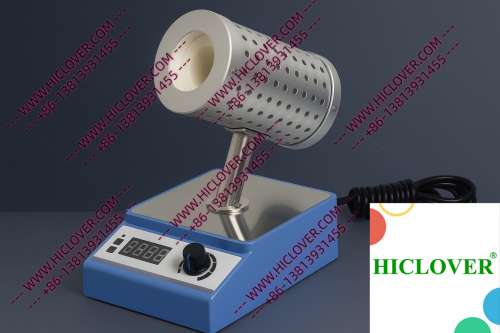
The Micro Incinerator operates on the principle of rapid thermal sterilization through infrared heat. The device consists of an enclosed ceramic heating chamber that reaches high temperatures very quickly, efficiently incinerating biological waste without producing hazardous aerosols. Unlike traditional flame sterilizers such as Bunsen burners or alcohol lamps, the Micro Incinerator creates a clean-bench-safe environment, rendering it ideal for laboratory use.
This equipment not only minimizes the risk of ignition in clean rooms but also provides consistent and controlled sterilization, which is crucial for handling sensitive microbiological specimens.
Applications in Laboratory Settings
1. BSL-2 and BSL-3 Microbiology Labs
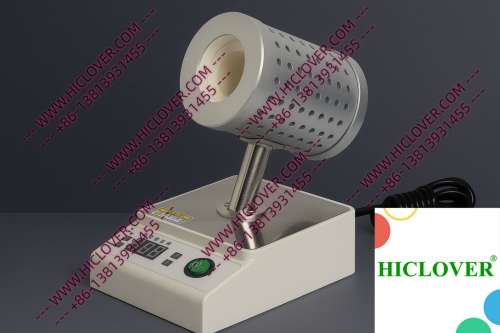
In BSL-2 and BSL-3 laboratories, where strict biosafety protocols are enforced, Micro Incinerators serve as an essential tool for sterilizing inoculation loops and other instruments post-use. For instance, in a BSL-3 lab focused on pathogenesis research, researchers utilize the Micro Incinerator situated within the biosafety cabinet. Here, they can effortlessly sterilize instruments without exposing themselves to potential airborne pathogens, ensuring that cross-contamination is effectively controlled.
2. University Teaching Labs
In university teaching laboratories, instructors often need to demonstrate sterilization techniques while ensuring student safety. The Micro Incinerator proves to be an invaluable asset in these settings. Students can observe the sterilization process without the hazards presented by flames, making it an excellent educational tool. For example, during microbiology courses, students can safely practice streak plating procedures using sterilized inoculating loops, enhancing their understanding of sterile techniques.
Compliance and Environmental Considerations
Adhering to biosafety standards set by the World Health Organization (WHO) and regulatory bodies is critical for laboratory operations. The Micro Incinerator complies with laboratory sterilization standards, ensuring effective waste disposal without the risk of flame-related incidents. Its design allows for safe use in clean-room environments, where the generation of aerosols can lead to contamination risks.
In addition to meeting compliance standards, this advanced sterilization equipment supports environmental safety by minimizing fire hazards, especially critical in regions with strict regulations regarding laboratory equipment. Ensuring that your laboratory operations remain compliant not only protects your staff but also preserves the integrity of scientific research.
Advantages Over Traditional Flame Sterilizers
The advantages of Micro Incinerators compared to traditional flame sterilizers are numerous:
- Rapid Thermal Sterilization: Achieves peak temperatures quickly for instantaneous sterilization.
- Contamination Control: Reduces risks associated with open flames, preventing accidental fires and respiratory hazards.
- Efficiency: Higher throughput due to faster heating times and ease of use.
- Environmentally Friendly: No harmful emissions or waste associated with burning alcohol or other fuels.
Micro Incinerator vs. Flame Burners Comparison
| Feature | Micro Incinerator | Flame Burners |
|---|---|---|
| Temperature Control | Precise Infrared Control | Variable Flame Height |
| Safety | Non-Flame Operation | Fire Hazard Risk |
| Aerosol Generation | None | Possible |
| Time Efficiency | High | Variable |
Frequently Asked Questions
- How does a micro incinerator eliminate the risk of contamination?
The enclosed system and high temperatures ensure complete sterilization without creating aerosols. - Is a micro incinerator suitable for field testing?
Yes, its portable design and quick heating capabilities make it ideal for mobile labs and fieldwork. - What types of instruments can be sterilized with a micro incinerator?
Inoculating loops, forceps, and other lab tools can be effectively sterilized. - Does using a micro incinerator require any special training?
No, it is user-friendly and designed for easy operation with minimal training. - Are micro incinerators compliant with lab standards?
Yes, they conform to WHO and various regulatory agencies’ sterilization standards.
Conclusion: Embracing Innovation in Laboratory Sterilization
The evolution of laboratory sterilization equipment, particularly Micro Incinerators, highlights a significant shift towards safer and more efficient practices in biological waste disposal. With designs tailored for compliance and operational excellence, investing in Micro Incinerators not only meets laboratory requirements but enhances biosafety protocols across the board.
If you are looking to upgrade your sterilization practices or invest in state-of-the-art equipment that enhances your laboratory’s efficiency and safety, rely on our expert solutions in Micro Incinerators. Contact us today for more information on how we can assist you in modernizing your laboratory sterilization equipment.
Categories:
Tags: