
The safety of laboratory environments is paramount in preventing contamination, especially in the fields of clinical diagnostics and microbiology. As science continues to evolve, so do the challenges associated with ensuring sterile conditions during experiments and tests. Traditional methods, such as Bunsen burners and alcohol lamps, while effective in some scenarios, carry inherent risks including open flames, potential aerosols, and a reliance on flammable materials. Addressing these biosafety challenges, innovative laboratory sterilization equipment like the Micro Incinerator or Infrared Inoculating Loop Sterilizer is gaining prominence.
Understanding the Technical Principles of Micro Incinerators
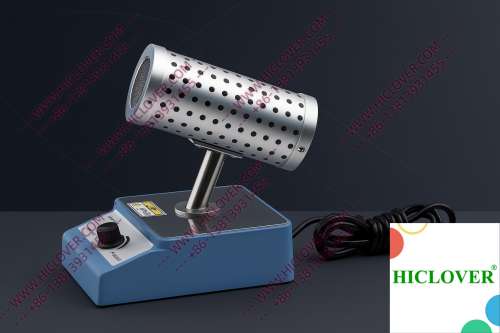
The Micro Incinerator operates on the principle of rapid thermal sterilization. Unlike traditional flame-based systems, it utilizes an enclosed ceramic heating chamber that relies on infrared heat to achieve high temperatures quickly. This sophisticated design not only provides a more controlled and efficient sterilization process but also limits the risk associated with exposure to flames. The ceramic tube is capable of reaching temperatures that ensure effective disinfection, thereby making it suitable for various applications.
Comparison of Sterilization Methods
Below is a concise comparison demonstrating the advantages of the Micro Incinerator over traditional flame-based sterilizers:
| Feature | Micro Incinerator | Flame Sterilizers |
|---|---|---|
| Sterilization Method | Infrared Heat | Open Flame |
| Containment | Enclosed | Exposed |
| Safety | Low risk of fire hazards | High risk due to flammability |
| Cleansing Efficiency | Rapid thermal sterilization | Variable efficiency |
| Usage Environment | Clean rooms, BSL-2/BLS-3 labs | Open labs |
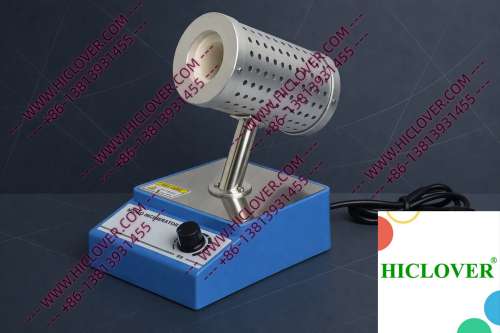
Practical Applications of Micro Incinerators in Laboratories
Micro Incinerators are versatile tools that enhance sterilization protocols across various laboratory settings. Below are two application scenarios where these innovative devices are employed:
- Biosafety Cabinets: In clinical and microbiological labs, Micro Incinerators are utilized within biosafety cabinets to ensure the complete sterilization of inoculating loops. The close proximity to sensitive cultures maximizes contamination control, and the absence of flame helps maintain the integrity of the sterile environment.
- University Teaching Labs: Educational institutions utilize Micro Incinerators in classroom laboratories to teach undergraduate students about microbiological techniques. The infrared sterilization method is not only safer for students but also offers a more efficient way to demonstrate sterilization principles without the hazards associated with flame-based methods.
Compliance and Environmental Considerations
Compliance with laboratory sterilization standards is crucial in maintaining safe work environments. The World Health Organization (WHO) and various national and international lab standards emphasize rigorous protocols for sterilization in clinical and research settings. One major advantage of Micro Incinerators is their alignment with these guidelines, allowing laboratories to operate within the required biosafety levels, particularly BSL-2 and BSL-3 labs.
Moreover, the Micro Incinerator is a clean-bench-safe solution, minimizing aerosol production during sterilization, which is vital in preventing cross-contamination in clean rooms and sensitive laboratory environments. This adherence not only enhances laboratory safety but also supports sustainability by reducing the reliance on flammable materials.
Regional Insights on Laboratory Innovations
In regions such as Europe and North America, the development of laboratory sterilization equipment is driven by strict regulatory frameworks aimed at improving public health. Universities and research centers are embracing innovations like the Micro Incinerator to enhance their biosafety practices significantly. For instance, institutions in the UK and Canada have increasingly integrated these sterilizers into their standard protocols, complying with the evolving biosafety regulations.
FAQs about Micro Incinerators and Laboratory Sterilization
- What is the principle behind infrared sterilization used in Micro Incinerators?
Infrared sterilization relies on rapid heating through infrared radiation in a confined space, ensuring thorough sterilization of instruments. - Can Micro Incinerators be used in BSL-3 labs?
Yes, Micro Incinerators are suitable for BSL-3 laboratories due to their enclosed design and adherence to safety standards. - How do Micro Incinerators reduce contamination risks?
By minimizing aerosol generation and eliminating the need for open flames, they significantly reduce the risk of contamination in sterile environments. - Are Micro Incinerators safe for educational use?
Absolutely! Their safety features and efficiency make them ideal for use in educational settings, providing students with practical experience in sterilization methods. - Why prefer Micro Incinerators over traditional flame sterilizers?
The enclosed design, safety benefits, and enhanced sterilization efficiency of Micro Incinerators make them a superior choice compared to traditional flame sterilizers.
Conclusion: Embracing the Future of Laboratory Safety
As laboratories continually seek to enhance their sterilization workflows, the Micro Incinerator or Infrared Inoculating Loop Sterilizer emerges as a game-changing solution, outpacing traditional flame sterilizers in both safety and efficiency. By adopting state-of-the-art sterilization technology, laboratories not only align with biosafety guidelines but also make strides towards ensuring a contamination-free environment.
If you’re ready to improve your laboratory’s sterilization practices while staying compliant with global biosafety standards, don’t hesitate to reach out for more information or to make a purchase.