
In modern laboratories, maintaining a sterile environment is crucial for accurate results and to ensure the safety of all personnel involved. With increasing biosafety challenges and the rising demand for efficient sterilization workflows, traditional methods such as alcohol lamps and Bunsen burners are becoming outdated. Enter the Micro Incinerator / Infrared Inoculating Loop Sterilizer — a revolutionary piece of laboratory sterilization equipment that addresses these challenges head-on.
Understanding the Micro Incinerator: Technical Principles
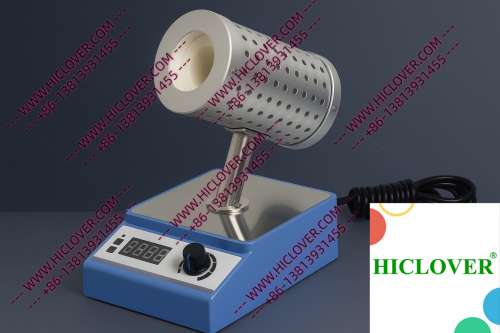
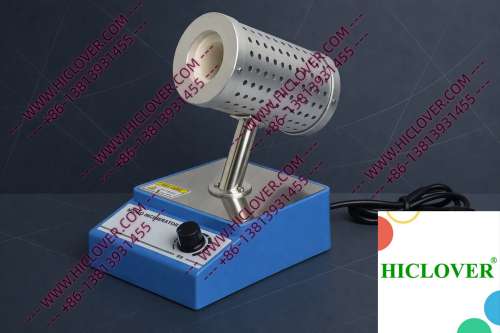
The Micro Incinerator operates on a simple yet effective principle: rapid thermal sterilization using infrared heat. This state-of-the-art device features an enclosed ceramic tube that reaches high temperatures in seconds, ensuring effective disinfection while minimizing contamination risks associated with conventional flame-based methods.
- Infrared Heat: Unlike flame sterilizers, which can produce aerosols, the infrared method generates a controlled environment that is clean-bench-safe.
- Ceramic Heating Chamber: The enclosed design protects lab users, allowing safe usage under biosafety cabinets.
- Instant Heating and Cooling: The loop sterilizer heats up quickly for immediate use and can cool rapidly, enabling a seamless workflow.
Applications in Real Laboratory Settings
1. Teaching Labs and University Settings
In educational institutions where students learn microbiological techniques, maintaining sterile conditions is vital. The Micro Incinerator’s quick turnaround time facilitates uninterrupted hands-on training. For instance, while carrying out inoculations, students can instantly sterilize their loops without the need for cumbersome and hazardous flame burners. This enhances the teaching experience while instilling best practices in biosafety from the outset.
2. Clinical Diagnostics in BSL-2 Labs
Biosafety Level 2 (BSL-2) laboratories deal with potentially hazardous biological agents. Here, the Micro Incinerator shines as an essential tool for sterilizing inoculation loops and tools used in cultures. It ensures compliance with biosafety protocols by eliminating flame hazards, making the surroundings safer for lab personnel. Moreover, its aerosol-free handling not only protects users but also minimizes contamination risks in clinical diagnostics.
Compliance with Safety Standards
Adhering to strict laboratory sterilization standards is a necessity for any facility that processes microbial cultures. The World Health Organization (WHO) and various regulatory bodies outline guidelines for safe laboratory practices, including recommendations against open flames in clean rooms. The Micro Incinerator meets these compliance standards, giving labs peace of mind. Here are some compliance aspects to consider:
- WHO Biosafety Guidelines
- ISO 15189 for clinical laboratories
- CDC Guidelines for Infection Control in Healthcare Personnel
Advantages Over Traditional Flame Sterilizers
When comparing the Micro Incinerator with traditional flame sterilizers like alcohol lamps and Bunsen burners, several advantages stand out:
| Feature | Micro Incinerator | Traditional Flame Sterilizers |
|---|---|---|
| Heating Method | Infrared | Open Flame |
| Aerosol Production | None | Yes |
| Safety | High | Moderate |
| Heating Time | Instantaneous | Variable |
| Environment Regulation | Clean-bench-safe | Requires ventilation |
Frequently Asked Questions
What is the main benefit of using a Micro Incinerator?
The Micro Incinerator provides a clean, efficient way to sterilize inoculation loops without the risks associated with open flames, enhancing safety and workflow in laboratories.
Can the Micro Incinerator be used in BSL-3 labs?
While primarily designed for BSL-2 applications, the Micro Incinerator can be beneficial in BSL-3 settings as well, depending on specific lab policies regarding sterilization methods.
How does the Micro Incinerator improve lab workflow?
Its rapid heating and cooling capabilities allow for seamless transitions between sterilization and sample inoculation, minimizing downtime and enhancing productivity.
Is it easy to operate?
Yes, the design is user-friendly, requiring minimal training for efficient operation compared to traditional flame sterilization methods.
What maintenance does the Micro Incinerator require?
Regular cleaning ensures that the ceramic tube remains free from contaminants, and routine checks should assess electrical components for safety and efficacy.
Conclusion
The rise of innovations in laboratory sterilization equipment, such as the Micro Incinerator / Infrared Inoculating Loop Sterilizer, reflects the ongoing commitment to laboratory safety and efficiency. This advanced apparatus not only meets stringent compliance requirements but also significantly improves day-to-day operations in various lab settings. For enhanced biosafety, improved workflow, and effective contamination control, consider incorporating a Micro Incinerator into your laboratory setup. Contact us today to explore purchasing options and elevate your laboratory’s sterilization capabilities!
Categories:
Tags: