
In today’s rapidly evolving laboratory environments, rapid thermal sterilization is paramount. Laboratories face numerous biosafety challenges, from managing contamination risks to ensuring comprehensive decontamination in multi-user settings. Transitioning to advanced sterilization equipment, specifically the Micro Incinerator or Infrared Inoculating Loop Sterilizer, is essential for maintaining the integrity of high-stakes research and diagnostics.
Understanding Infrared Loop Sterilizer Technology
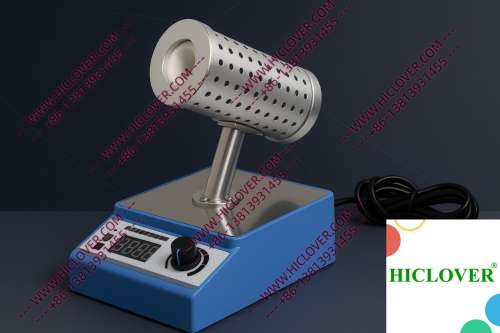
The Micro Incinerator utilizes the principle of infrared heat, which rapidly increases the temperature of inoculating loops in a contained environment. This technology features an enclosed ceramic heating chamber that ensures instantaneous, high-temperature disinfection. Unlike traditional flame sterilizers, such as alcohol lamps or Bunsen burners, the infrared model provides a cleaner, safer method of sterilization. With no open flame, there’s a significantly reduced risk of aerosol contamination in sterile workspaces.
Key Advantages Over Traditional Flame Sterilizers
- Reduced Contamination Risk: The enclosed design minimizes aerosol dispersal, making it ideal for cleanroom operations.
- Instantaneous Heating: Infrared sterilizers heat up in seconds, allowing for rapid workflow without downtime.
- Lower Operating Costs: No need for flammable gases or alcohol, less maintenance, and energy-efficient operations.
- Enhanced User Safety: The absence of flame ensures a safer working environment, crucial in BSL-2 and BSL-3 labs.
Application Scenarios in Lab Environments
Biosafety Cabinets
Laboratories that routinely utilize biosafety cabinets benefit greatly from stacking the Micro Incinerator’s capabilities alongside traditional sterilization methods. For instance, when culturing pathogens in a BSL-3 microbiology lab, researchers can quickly sterilize their inoculating loops without risking contamination from an open flame. This streamlined workflow ensures that time-sensitive experiments remain uninterrupted and sterility is preserved.
Field Testing and Teaching Labs
In mobile or field testing labs, like those conducting environmental pathogen assessments, the compact size of the Micro Incinerator becomes invaluable. Its lightweight design allows seamless integration into portable lab setups, enabling rapid sterilization of equipment on-site. Additionally, university teaching labs, which emphasize sterile techniques, benefit from using infrared loop sterilizers during practical sessions, reinforcing critical biosafety practices for budding scientists.
Compliance and Environmental Considerations
Meeting international laboratory sterilization standards, including those outlined by the WHO, is crucial for any laboratory aiming to operate within biosafety regulations. Strict adherence to no-flame protocols in cleanroom environments is not just recommended; it’s often mandated. The Micro Incinerator supports these compliance requirements by providing high-temperature sterilization without compromising air quality or risk of fire.
Did You Know? Many laboratory protocols now prioritize technologies that align with environmental and safety regulations, with infrared sterilizers leading the charge in modern labs.
Comparison: Micro Incinerator vs. Flame Burners
| Feature | Micro Incinerator | Flame Burner |
|---|---|---|
| Heating Method | Infrared | Open Flame |
| Safety | Safer (no risk of fire) | Higher risk of accidents |
| Contamination Control | Minimized | Higher risk due to aerosolization |
| Operating Cost | Lower | Higher (fuel and maintenance costs) |
| Heating Time | Instant | Variable (depends on setup) |
Frequently Asked Questions
What is the primary advantage of using a Micro Incinerator over traditional flame sterilizers?
The primary advantage lies in its capacity for rapid thermal sterilization without the accompanying risks of flame-based methods, such as aerosol contamination and fire hazards.
Can the Micro Incinerator be used in all types of labs?
Yes, it is particularly beneficial in BSL-2 and BSL-3 microbiology labs, teaching labs, and field-testing environments, thanks to its effective sterilization capabilities.
How does the Micro Incinerator ensure compliance with safety standards?
Its design eliminates open flames, reducing the risk of contamination and fire, thereby meeting stringent guidelines set by organizations like the WHO for laboratory operations.
Is the Micro Incinerator portable?
Absolutely! Its compact design makes it ideal for mobile laboratory setups, allowing for ease of transportation and quick sterilization on-site.
What maintenance is required for infrared sterilizers?
Minimal maintenance is needed; regular cleaning of the ceramic heating chamber and occasional checks for hardware integrity are sufficient to maintain optimal performance.
Conclusion
As laboratory environments demand higher levels of safety, the adoption of innovative sterilization technologies like the Micro Incinerator becomes essential in ensuring a contamination-free workspace. The advantages over traditional flame methods are compelling: quick and effective sterilization, enhanced user safety, and alignment with biosafety regulations. For laboratories keen on modernizing their sterilization methods and enhancing workflow efficiency, the Micro Incinerator is an investment in future-proofing laboratory safety. Contact us today to explore how we can support your laboratory sterilization needs!
Categories:
Tags: