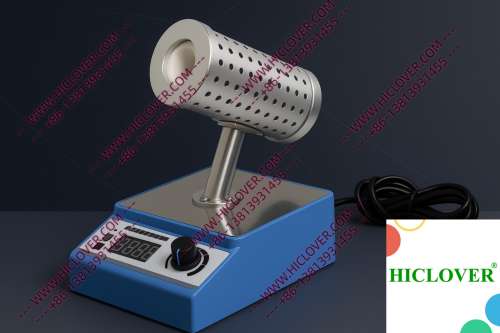
Laboratories worldwide face increasing pressure to maintain rigorous biosafety standards while ensuring efficient workflows. With the rise of complex laboratory procedures and heightened public health concerns, contamination control has never been more critical. Traditional flame sterilizers, such as alcohol lamps and Bunsen burners, are gradually being replaced by advanced sterilization solutions like the Micro Incinerator, commonly known as the Infrared Inoculating Loop Sterilizer. This article explores the technological advancements, applications, compliance with safety regulations, and the future potential of these devices.
Technical Principles of Infrared Loop Sterilization
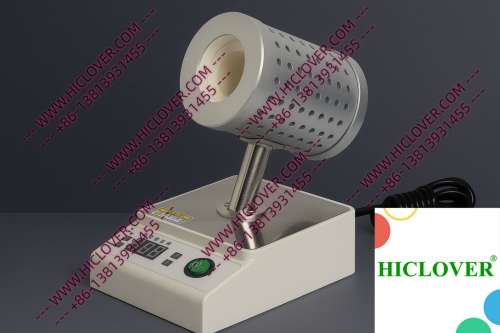
The Micro Incinerator operates on the principle of rapid thermal sterilization, utilizing infrared heat for high-temperature disinfection. Within its enclosed ceramic tube, the device produces consistent, direct heat that ensures thorough sterilization of inoculating loops and other instruments. Infrared technology eliminates the need for open flames, making it more suitable for sensitive environments, such as clean rooms and biosafety cabinets.
This technology offers numerous advantages over traditional sterilizers:
- Enhanced Safety: Reduced risk of airborne contamination compared to open flames.
- Speed: Sterilization occurs in seconds, significantly improving workflow efficiency.
- Energy Efficiency: Minimal power consumption and no need for gas or alcohol.
Application Scenarios in Real Labs
1. Biosafety Cabinets and Clean Rooms
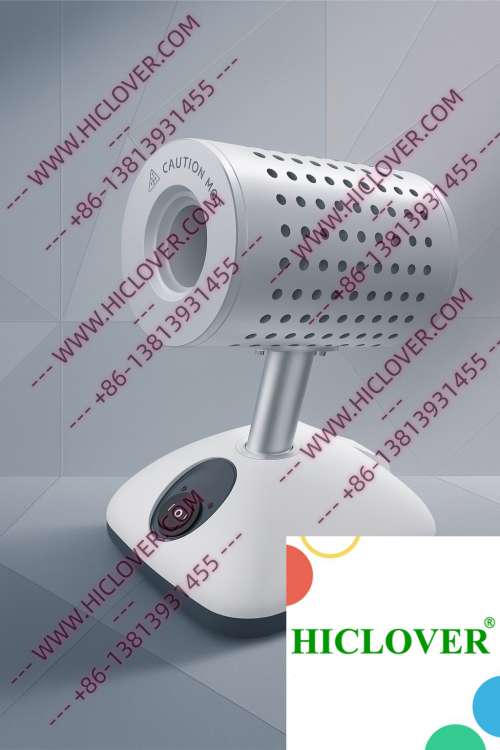
In BSL-2 and BSL-3 laboratories, maintaining a localized clean environment is paramount. The Micro Incinerator is particularly valuable in these settings, as it allows researchers to sterilize loops without compromising the sterile conditions of the biosafety cabinet. By minimizing aerosol emissions and eliminating flame hazards, labs can achieve strict compliance with biosafety protocols, ensuring that microbial cultures and sensitive assays are untainted by cross-contamination.
2. University Teaching Labs
Teaching laboratories utilize the Micro Incinerator to familiarize students with best practices in microbial handling and sterilization. Its simplicity encourages students to focus on learning techniques rather than worrying about traditional flame handling. Furthermore, the device significantly reduces the risks associated with combustion-related accidents, allowing instructors to deliver a safer educational experience. Students can swiftly sterilize tools during experiments without the distraction of flame management.
Compliance and Environmental Considerations
Globally recognized biosafety frameworks, such as the WHO biosafety guidelines, set forth stringent standards for laboratory sterilization practices. Using flame sterilizers can introduce unwanted variables in clean environments, such as soot deposits and gas emissions, which are detrimental to sensitive lab procedures. The Micro Incinerator complies with these standards by providing a clean, flame-free alternative, making it ideal for laboratories that prioritize environmental sustainability and contamination control.
Moreover, strict adherence to standards like the ISO 14644-1 ensures that all laboratory environments maintain air cleanliness levels conducive to high-stakes research. By incorporating infrared inoculating loop sterilizers, laboratories can confidently abide by these standards while advancing their sterilization protocols.
Advantages Over Traditional Flame Sterilizers
| Feature | Micro Incinerator | Flame Sterilizers |
|---|---|---|
| Heating Method | Infrared Technology | Open Flame |
| Safety | Low Risk of Fire Hazard | High Risk of Contamination |
| Speed of Sterilization | Seconds | Varies, typically longer |
| Energy Consumption | Low | High (Fuel/Alcohol) |
| Environment Impact | Minimal | Potential Pollution |
Frequently Asked Questions
What is the main advantage of using the Micro Incinerator for sterilization?
The Micro Incinerator offers consistent, efficient sterilization without the risks associated with open flames, making it ideal for sensitive environments.
How does infrared sterilization compare to traditional methods?
Infrared sterilization is faster, safer, and reduces the risk of contamination significantly compared to traditional flame methods.
Can the Micro Incinerator be used in field testing labs?
Yes, its portability and safety features make the Micro Incinerator an excellent choice for mobile and field testing laboratories.
Is the Micro Incinerator compliant with international lab safety standards?
Absolutely, the device aligns with WHO biosafety protocols and ISO laboratory standards, ensuring high compliance levels.
How does the Micro Incinerator benefit teaching labs?
It enhances learning by allowing students to practice sterilization techniques without the risks and complications of open flames.
Conclusion
As laboratories navigate the complexities of modern research demands, innovations like the Micro Incinerator redefine sterilization practices. This advanced tool not only adheres to regulatory safety guidelines but also enhances operational efficiency in diverse laboratory settings—from clinical diagnostics to academic institutions. For labs looking to elevate their safety and efficiency, investing in a Micro Incinerator represents a forward-thinking choice. Contact us today to learn how you can integrate this revolutionary sterilization technology into your workflow!
Categories:
Tags: