
As laboratories strive to maintain the highest standards of biosafety, the challenges associated with contamination control and effective sterilization methodologies are ever-evolving. In environments where biological safety is paramount—such as BSL-2 and BSL-3 microbiology labs—the sterilization workflow demands cutting-edge technologies that combine efficiency, safety, and reliability. This article explores innovations in laboratory sterilization equipment, focusing on the Micro Incinerator, specifically the Infrared Inoculating Loop Sterilizer, revolutionizing how laboratories adhere to biosafety standards.
Laboratory Sterilization Challenges
Traditional sterilization methods, such as alcohol lamps and Bunsen burners, have long been the go-to solutions for disinfecting inoculating loops. However, these methods carry several limitations, including the risk of aerosol generation, open flames, and inadequate control over sterilization temperatures. With a growing emphasis on maintaining a clean environment and ensuring the safety of laboratory personnel, the demand for more advanced sterilization technologies is stronger than ever.
Technical Principles: How Infrared Sterilization Works
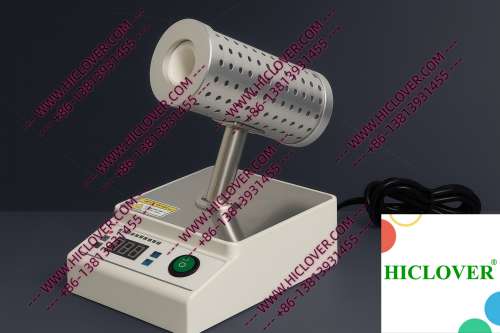
The Infrared Inoculating Loop Sterilizer operates on the principle of rapid thermal sterilization utilizing infrared heat emitted from an enclosed ceramic tube. This cutting-edge technology allows for high-temperature disinfection without the drawbacks associated with traditional flame sterilizers.
- Rapid Heating: Infrared radiation heats the inoculating loop almost instantly, ensuring efficient sterilization of biological samples.
- Temperature Control: The enclosed ceramic tube provides precise heating, reducing the risk of overheating or inadequate sterilization.
- Aerosol-Free Handling: This method eliminates the creation of aerosols, ensuring that the sterile environment is preserved, particularly in cleanrooms and biosafety cabinets.
- How does the Micro Incinerator enhance laboratory safety?
The Micro Incinerator eliminates the risks associated with open flames and aerosol generation, providing a safe environment for laboratory personnel.
- Is the Micro Incinerator compliant with international biosafety standards?
Yes, this sterilizer adheres to WHO biosafety standards along with other laboratory sterilization guidelines.
- Can the Infrared Sterilizer be used in field testing scenarios?
Absolutely, its rapid and efficient sterilization capability makes it ideal for mobile laboratories and field testing applications.
- What advantages does infrared sterilization offer over traditional methods?
Infrared sterilization provides rapid heating, precise temperature control, and significantly reduces contamination risks compared to flame sterilizers.
- Is it easy to operate the Micro Incinerator?
Yes, it is designed for straightforward operation, enabling users to focus on their experiments rather than worrying about sterilization processes.
This streamlined approach not only enhances the efficiency of sterilization but also significantly contributes to the overarching goal of contamination control in laboratory settings.
Real-World Applications
Application Scenario 1: BSL-2 Laboratory Workflows
In a BSL-2 laboratory dedicated to clinical diagnostics, researchers frequently handle pathogens. The Micro Incinerator’s infrared inoculating loop sterilizer is placed within a biological safety cabinet where samples are manipulated. The device allows researchers to quickly sterilize inoculating loops without the risks posed by traditional open flames. Researchers can perform their tasks with confidence, knowing that their equipment is sterilized effectively while minimizing the potential for contamination.
Application Scenario 2: University Teaching Labs
University laboratories focused on microbiology education present a unique challenge: training students in safe laboratory practices while ensuring maximum safety. Incorporating the Micro Incinerator into teaching labs facilitates this goal. Students learn the intricacies of sterilization techniques without exposure to the hazards of flame-based methods. Additionally, the speed and ease of use promote a smooth learning experience, allowing students to focus on their experiments rather than concern about sterilization efficacy.
Compliance and Environmental Considerations
Maintaining compliance with biosafety standards set forth by organizations such as the World Health Organization (WHO) is critical for laboratory operations. Many labs are now transitioning from flame-based sterilization methods due to strict guidelines regarding open flames in cleanroom environments.
Adopting the Micro Incinerator reduces risks associated with fire hazards that are non-compliant with laboratory safety standards. Its operation not only aligns with laboratory sterilization standards but also provides a clean and efficient method of sterilization that contributes to overall lab safety.
| Feature | Infrared Inoculating Loop Sterilizer | Traditional Flame Sterilizers |
|---|---|---|
| Aerosol Generation | No | Yes |
| Speed of Sterilization | Instant | Variable |
| Temperature Control | Precise | Uncontrolled |
| Safety | High | Moderate |
Frequently Asked Questions
Conclusion: Embrace the Future of Laboratory Sterilization
The evolution of sterilization methods like the Micro Incinerator/Infrared Inoculating Loop Sterilizer marks a significant advancement in laboratory safety protocols. With its numerous advantages over traditional flame sterilizers, this technology not only aligns with compliance standards but also ensures an efficient and safe working environment for laboratory personnel. For distributors, hospitals, universities, and research centers seeking high-quality laboratory sterilization equipment, now is the time to invest in the future of biological safety cabinet technology.
Contact us today to learn more about how our innovative sterilization solutions can benefit your lab operations.
Categories:
Tags: