
In contemporary laboratory environments, especially those that operate within BSL-2 and BSL-3 microbiology spaces, the challenge of biosafety has never been more pressing. With the increasing demand for contamination control and rapid thermal sterilization methods, laboratories are pivoting towards advanced sterilization equipment. One standout in this realm is the Micro Incinerator, known for its infrared inoculating loop sterilization capabilities. This article delves into the technical principles, design, applications, and compliance aspects that make these devices essential in modern labs.
Technical Principle of Micro Incinerators
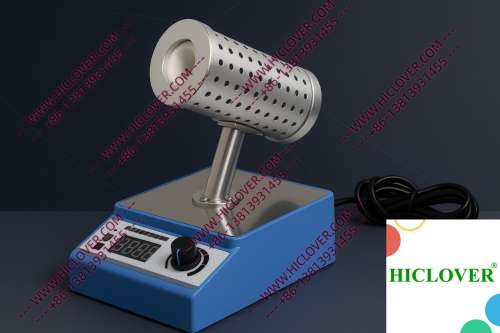
The Micro Incinerator utilizes infrared heat technology to achieve sterile conditions, essential for many laboratory procedures. The system operates through an enclosed ceramic tube that provides high-temperature disinfection while ensuring safety and efficiency. Unlike traditional flame sterilizers such as alcohol lamps and Bunsen burners, which can produce aerosols and are often unsafe for use in clean rooms, the Micro Incinerator offers an enclosed space that minimizes contamination risks.
With rapid thermal sterilization capabilities, the device can reach temperatures exceeding 800°C almost instantly. This enables users to sterilize inoculating loops and transfer needles rapidly, crucial for maintaining the integrity of cultures and samples. The ability to handle sterilization without an open flame also allows these devices to be employed in environments where fire hazards must be meticulously managed.
Applications in Real Labs
1. Biosafety Cabinets
Within biosafety cabinets, the use of Micro Incinerators significantly enhances contamination control efforts. Laboratory researchers working in microbiology labs can seamlessly integrate this sterilization equipment into their workflow. The compact design allows for the easy sterilization of inoculating loops without disturbing airflow patterns or introducing potential contaminants.
2. Field Testing and Teaching Labs
Mobile or field testing labs often encounter unique challenges related to sterilization. Here, the portability and efficient operation of the Micro Incinerator make it an invaluable asset. It allows field researchers and educators, particularly in universities, to carry out experiments swiftly and with high biosafety standards, even in remote locations. Its capability of operating without the need for external gas sources further underlines its versatility.
Compliance and Environmental Standards
Compliance with WHO biosafety guidelines and laboratory sterilization standards is vital for laboratories globally. The Micro Incinerator meets essential criteria by providing a flameless sterilization solution, which is crucial for safe practices in cleanrooms. Traditional flame sterilizers produce soot and can release harmful aerosols, potentially complicating sterile conditions. In contrast, Micro Incinerators enhance safety by ensuring an aerosol-free environment, which is a necessity for various laboratory applications.
- WHO Biosafety Level Guidelines: Micro Incinerators are compliant with the stringent safety regulations established for handling pathogens.
- Clean Room Standards: The absence of flame allows for utilization in clean environments where contamination is a significant concern.
- Reduced Chemical Usage: Unlike chemical sterilization methods, the efficiency of heat sterilization means lower chemical exposure risks.
Advantages Over Traditional Flame Sterilizers
The shift from traditional flame sterilizers to the Micro Incinerator is motivated by several significant advantages:
- Immediate sterilization: Infrared heat reduces the time taken for sterilization compared to gas flames.
- Environmentally Friendly: Fewer emissions and minimal heat production mean a lower environmental impact.
- Increased Safety: Closed designs prevent uncontrolled heat and flames that could endanger personnel.
Key Comparison: Micro Incinerator vs. Traditional Flame Burners
| Feature | Micro Incinerator | Traditional Flame Burners |
|---|---|---|
| Temperature Control | Precise infrared control | Variable, dependent on gas flow |
| Contamination Risk | Low (enclosed design) | High (open flame) |
| Flammability | Non-flammable | Flammable |
| Portability | Highly portable | Limited by gas supply |
Frequently Asked Questions
What is a Micro Incinerator used for?
A Micro Incinerator is primarily used for rapid sterilization of inoculating loops, needles, and other small laboratory instruments, promoting biosafety in various lab settings.
How does infrared sterilization compare with traditional methods?
Infrared sterilization is quicker and safer compared to flame sterilization, as it minimizes contamination risks and eliminates the use of open flames.
Is the Micro Incinerator compliant with global biosafety standards?
Yes, it meets WHO biosafety guidelines and laboratory sterilization standards, making it suitable for use in BSL-2 and BSL-3 laboratories.
Can Micro Incinerators be used in teaching laboratories?
Absolutely! They are ideal for teaching labs as they enhance safety during instructional demonstrations and experiments, especially in microbiology courses.
What maintenance is required for a Micro Incinerator?
Routine cleaning and periodic checks of the ceramic tube are recommended to maintain optimal operational efficiency.
Conclusion
In conclusion, the Micro Incinerator represents a breakthrough in laboratory sterilization technology, offering a host of benefits over traditional flame burners. Its compact, flameless, and efficient design aligns perfectly with the safety and regulatory demands of today’s laboratory environments. For laboratories seeking to enhance their biosafety protocols and streamline their sterilization processes, investing in a Micro Incinerator is a strategic move. To explore more about this cutting-edge sterilization equipment, don’t hesitate to contact us for detailed specifications and purchasing options.
Categories:
Tags: