
As laboratories around the world face increasing biosafety challenges and sterilization workflow demands, the need for innovative solutions in contamination control has never been more critical. Traditional methods such as alcohol lamps and Bunsen burners are being reevaluated in light of their limitations in laboratory environments. In particular, the introduction of Micro Incinerators, especially the Infrared Inoculating Loop Sterilizer, is revolutionizing how sterilization is approached in various settings.
Understanding the Technical Principles of Micro Incinerators
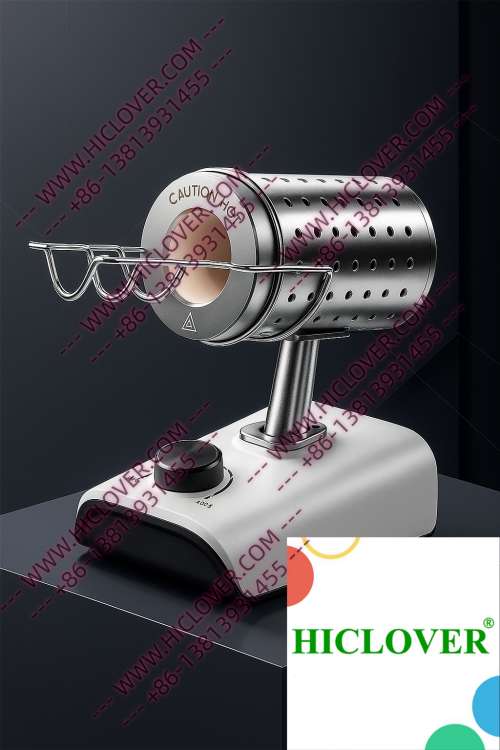
The Micro Incinerator operates on the principle of rapid thermal sterilization utilizing infrared heat. The enclosed ceramic tube efficiently directs high-temperature disinfection without the drawbacks associated with open flames. These devices create a clean, high-temperature environment essential for sterilizing inoculating loops and various lab tools quickly and effectively.
Unlike traditional methods, the Micro Incinerator offers aerosol-free handling, significantly decreasing the risk of airborne contamination. Its compact design becomes a vital asset, particularly in facilities where space is limited, such as BSL-2 and BSL-3 microbiology labs.
Applications of Micro Incinerators in Real Labs
1. Biosafety Cabinets
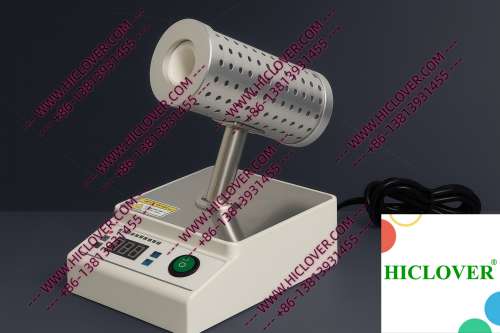
In biosafety cabinets, every surface must be meticulously decontaminated to prevent cross-contamination. Micro Incinerators fit perfectly into this workflow, allowing researchers to sterilize inoculating loops on demand without needing open flames. This integration enhances biosafety by retaining a clean workspace while efficiently managing sterilization tasks. The rapid thermal sterilization capabilities also mean that researchers can maintain a steady workflow without prolonged waits for tools to become sterilized.
2. Field Testing Labs
For mobile or field testing laboratories, the portability and efficacy of Micro Incinerators are unmatched. Field testing often presents challenges in maintaining clean conditions, yet the robust build of these devices allows them to operate efficiently in diverse environments. Their chemical-free operation is also critical in maintaining the integrity of sensitive biological samples, particularly in remote testing stations that require quick and reliable sterilization solutions.
Compliance and Environmental Considerations
Adhering to biosafety standards set by organizations like the WHO is paramount in laboratory settings. The Micro Incinerator aligns with WHO guidelines on lab sterilization standards, providing a safer alternative with no open flames required in cleanroom operations. Furthermore, the absence of plastic or chemical residues encourages environmental sustainability, a growing concern in laboratory practices today. This compliance plays a significant role in ensuring that laboratories maintain high safety standards while promoting environmental responsibility.
- Compliance with WHO biosafety recommendations
- Reduced risk of fire hazards associated with flame sterilizers
- Enhanced efficacy in sterilization processes
- Environmentally friendly—no chemical emissions
Comparison: Micro Incinerator vs. Traditional Flame Sterilizers
| Feature | Micro Incinerator | Flame Sterilizers |
|---|---|---|
| Mode of Operation | Infrared thermal sterilization | Open flame |
| Safety | Safer, no fire hazard | Increased risk of fire |
| Efficiency | Rapid sterilization | Longer wait times |
| Portability | Compact and mobile | Bulky and less portable |
FAQs about Micro Incinerators
- How long does it take to sterilize an inoculating loop with a Micro Incinerator?
Typically, it takes under 10 seconds to achieve complete sterilization, allowing for rapid workflow.
- Are there specific labs where Micro Incinerators are recommended?
Yes, they are ideal for BSL-2 and BSL-3 labs, clinical diagnostics, and teaching labs due to their enhanced safety features.
- Can Micro Incinerators be used in cleanrooms?
Absolutely, as they do not produce aerosols or open flames, making them clean-bench-safe.
- What kind of maintenance is required for a Micro Incinerator?
Routine cleaning of the ceramic tube and ensuring the unit is free of debris will maintain optimal performance.
- How does the Micro Incinerator affect environmental safety?
Its use promotes low-emission sterilization, helping laboratories adhere to eco-friendly practices.
Conclusion
The advent of Micro Incinerators, specifically the Infrared Inoculating Loop Sterilizer, marks a significant improvement in laboratory sterilization techniques. Their rapid thermal sterilization capability, combined with enhanced safety and compliance features, make them a preferred choice for laboratories across different sectors, including university teaching labs and field testing environments.
For institutions looking to upgrade their sterilization methods while adhering to stringent biosafety requirements, the Micro Incinerator is an indispensable asset. Explore our range or contact us today for more information on how to enhance your laboratory capabilities.
Categories:
Tags: