
Laboratories today face increasing biosafety challenges and the demand for efficient sterilization workflows. The sterilization of inoculating loops is a critical aspect of maintaining laboratory hygiene and preventing contamination in microbial studies. Traditional methods such as alcohol lamps and Bunsen burners often fall short in terms of efficiency, cleanliness, and safety. Enter the innovative Micro Incinerator / Infrared Inoculating Loop Sterilizer, a game-changer in laboratory sterilization equipment.
Understanding Infrared Sterilization Technology
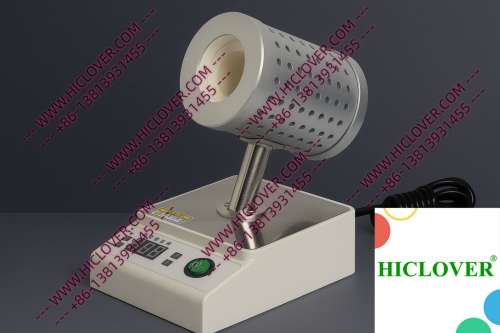
The Micro Incinerator uses advanced infrared heat technology to deliver rapid thermal sterilization. The device features an enclosed ceramic heating chamber that reaches high temperatures, effectively eliminating bacterial and viral pathogens on inoculating loops. Unlike traditional flame-based systems, the Micro Incinerator provides clean-bench-safe operations, preventing aerosol contamination that could occur with open flames.
“In laboratories, every second counts. The infrared inoculating loop sterilizer allows for rapid sterilization without compromising safety or efficiency.” – Lab Tech Specialist
Key Features of the Micro Incinerator
- Rapid Thermal Sterilization: Achieves sterilization in a matter of seconds.
- High Temperature Range: Up to 900°C, suitable for various lab applications.
- Integrated Safety Features: Enclosed system prevents exposure to flames.
- Energy Efficiency: Reduces electricity consumption compared to traditional burners.
- Portability: Ideal for mobile or field testing labs.
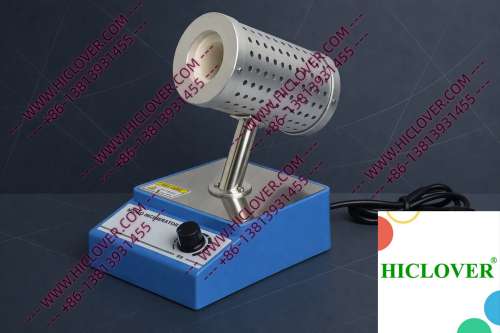
Applications in University Laboratories
The Micro Incinerator is suitable for a range of settings within university laboratories, particularly in microbiology and clinical diagnostics. Here are two primary application scenarios:
1. Biosafety Cabinet Operations
In BSL-2 and BSL-3 microbiology labs, the Micro Incinerator complements biosafety cabinets by providing a safe and efficient means of sterilizing inoculating loops. The enclosed design minimizes the risk of pathogens escaping into the laboratory environment. Researchers can quickly sterilize tools within the cabinet, enhancing workflow efficiency and ensuring a clean workspace.
2. Teaching Labs
University teaching labs often require a balance of safety and educational value. The Micro Incinerator allows students to learn proper sterilization techniques without the hazards associated with open flames. This is particularly important when handling microbial cultures, as the aerosol-free handling feature minimizes the risk of contamination. Additionally, students can focus on their experiments without the distractions and dangers posed by traditional burners.
Compliance and Environmental Considerations
Compliance with lab safety standards is paramount, particularly for institutions operating under the World Health Organization (WHO) biosafety guidelines. The Micro Incinerator meets several important laboratory sterilization standards, providing a safer alternative to alcohol lamps and Bunsen burners. Notably, these traditional methods are not suitable for use in clean rooms where no open flames are permitted.
Laboratories adhering to biosafety guidelines benefit from the Micro Incinerator’s advantages in contamination control, reducing the risk of accidental fires and ensuring a sterile environment essential for experiments. The use of such innovative sterilization technology is crucial for maintaining compliance in academic and clinical research settings.
Comparative Analysis: Micro Incinerator vs. Traditional Flame Burners
| Feature | Micro Incinerator | Flame Burners |
|---|---|---|
| Safety | No open flames, enclosed design | Risk of burns, fire hazards |
| Speed of Sterilization | Seconds | Up to several minutes |
| Energy Efficiency | Lower energy consumption | Higher energy usage |
| Portability | Highly portable | Less portable |
| Contamination Risk | Aerosol-free | Higher risk of aerosolization |
FAQs About Micro Incinerators in Laboratory Use
What makes the Micro Incinerator safer than flame sterilizers?
The Micro Incinerator features an enclosed design that eliminates open flames, reducing the risk of burns and fire hazards. It also minimizes the potential for aerosol contamination.
Can the Micro Incinerator be used in BSL-3 labs?
Yes, the Micro Incinerator is designed to meet safety standards suitable for BSL-2 and BSL-3 laboratories, allowing for safe and effective sterilization of inoculating loops.
How does infrared sterilization work compared to flame sterilization?
Infrared sterilization uses high-temperature heat generated by ceramic elements to eliminate pathogens rapidly, while flame sterilization relies on combustion, which may pose risks of contamination and longer heating times.
Is the Micro Incinerator energy efficient?
Yes, the Micro Incinerator is designed to use significantly less energy than traditional flame burners, making it a sustainable option for laboratory use.
How does this technology help in compliance with sterilization standards?
The Micro Incinerator adheres to various laboratory sterilization standards, providing an efficient and safe means of achieving sterilization in compliance with WHO biosafety regulations.
Conclusion: Elevate Your Laboratory Sterilization Protocols
In the evolving landscape of laboratory sterilization equipment, the Micro Incinerator / Infrared Inoculating Loop Sterilizer stands out as a superior solution for university labs. Its innovative technology, safety features, and compliance with biosafety standards make it an indispensable asset for researchers and educators alike. If you’re looking to enhance your sterilization protocols and improve overall laboratory safety, consider integrating the Micro Incinerator into your workflow.
For more information, or to discuss purchasing options, please contact us today. Embrace the future of laboratory sterilization with cutting-edge technology!
Categories:
Tags: