
As laboratories across Singapore strive to meet escalating biosafety standards and enhance sterilization workflows, the demand for advanced sterilization equipment has never been higher. Laboratory professionals are continuously seeking effective solutions to mitigate contamination risks and ensure safe handling techniques. Among these innovative solutions is the remarkable Micro Incinerator, also known as Infrared Inoculating Loop Sterilizers. This article explores the operation, applications, compliance standards, and numerous advantages of using Micro Incinerators in the laboratory.
Understanding the Technical Principles of Micro Incinerators
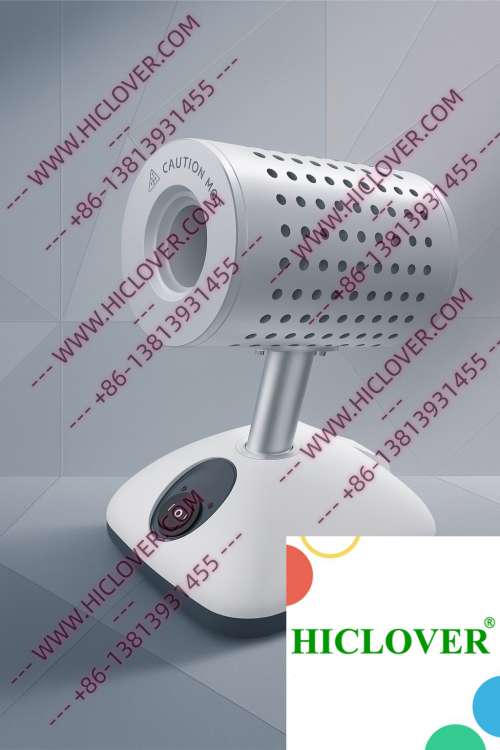
The Micro Incinerator operates using state-of-the-art infrared heating technology. This method involves generating rapid thermal sterilization via an enclosed ceramic heating chamber that reaches high temperatures within moments. Unlike traditional flame-based sterilizers, this enclosed system eliminates the need for an open flame, significantly reducing the risk of fire hazards and ensuring a clean working environment.
The advantage of infrared technology lies in its ability to achieve high-temperature disinfection (around 800°C) without producing harmful aerosols. The ceramic tube not only promotes safe, effective sterilization but also allows for easy access and enhanced visibility during usage.
Applications of Micro Incinerators in Real Lab Environments
1. Biosafety Cabinets
In BSL-2 and BSL-3 microbiology laboratories, proper sterilization techniques are of utmost importance to prevent contamination and ensure the safety of laboratory personnel. The Micro Incinerator can be conveniently placed in biosafety cabinets, allowing researchers to sterilize inoculating loops and needles with minimal disruption to the sterile environment. Its rapid sterilization ensures that instruments are ready for immediate use, enhancing workflow efficiency.
2. Mobile and Field Testing Labs
For mobile or field testing laboratories, where conventional utilities may not be available, the compact and efficient design of the Micro Incinerator becomes invaluable. Researchers can quickly sterilize sampling instruments in situ, making it an effective tool for environmental testing, clinical diagnostics, and situational assessments where contamination risks are prevalent.
Compliance with International Biosafety Standards
The World Health Organization (WHO) provides strict guidelines and standards regarding laboratory sterilization practices. Compliance with these guidelines is essential for laboratories to ensure operational integrity and the safety of their personnel. The Micro Incinerator aligns with international biosafety standards, making it suitable for use in clinical environments where the risk of contamination must be meticulously monitored.
- Zero open flames, making it suitable for clean rooms and sensitive operations.
- Reduces the risks of aerosol generation during sterilization.
- Supports enhanced environmental control in BSL-2 or BSL-3 labs.
In contrast to traditional flame sterilizers, such as alcohol lamps and Bunsen burners, the Micro Incinerator offers a more consistent, safe, and efficient approach to sterilization. The absence of flames reduces the chance of igniting combustible materials, a common hazard associated with open flame sterilization methods.
Comparison Table: Micro Incinerator vs. Traditional Flame Burners
| Feature | Micro Incinerator | Flame Burners |
|---|---|---|
| Temperature Control | Rapid thermal sterilization up to 800°C | Variable, depending on fuel source |
| Contamination Control | Aerosol-free handling | Potential aerosol generation |
| Safety | Enclosed ceramic tube; no open flame | Open flame; higher risk of fires |
| Portability | Compact and versatile | Less portable due to fuel requirement |
Frequently Asked Questions
What are the benefits of using a Micro Incinerator over traditional sterilizers?
The Micro Incinerator provides rapid, high-temperature sterilization without aerosols and eliminates the risks associated with open flames. Its compact design enhances laboratory workflow efficiency.
Is the Micro Incinerator suitable for field testing labs?
Yes, its portable and efficient design makes it ideal for mobile testing where conventional utility sources may not be available.
How does the Micro Incinerator meet international biosafety standards?
It aligns with WHO guidelines by offering a clean, fire-free sterilization method that minimizes contamination risks, essential for BSL-2 and BSL-3 environments.
Can the Micro Incinerator be used in teaching labs?
Absolutely! Its safety features make it an excellent choice for educational institutions focusing on microbiological techniques, ensuring both learning and safety.
How should I maintain the Micro Incinerator?
Regular maintenance includes cleaning the ceramic tube and ensuring that the power supply is compliant with safety standards to maintain optimal performance and longevity.
Conclusion
The innovative Micro Incinerator stands out as a premier solution for laboratory sterilization needs in Singapore. Its ability to provide rapid, safe, and effective sterilization while ensuring compliance with international standards makes it an invaluable addition to any modern laboratory, from clinical diagnostics to research settings. For laboratories looking to enhance their sterilization workflows and minimize contamination risks, investing in the Micro Incinerator is a step towards a safer, more efficient future. Contact us today to learn more about our leading sterilization solutions!
Categories:
Tags: