
As the landscape of laboratory biosafety continues to evolve, scientists and researchers are challenged with ensuring effective sterilization practices amidst growing concerns over contamination control. Traditional methods, such as alcohol lamps and Bunsen burners, are being reevaluated in light of their limitations, particularly in terms of safety, efficiency, and compliance with modern biosafety standards.
The Need for Advanced Laboratory Sterilization Equipment
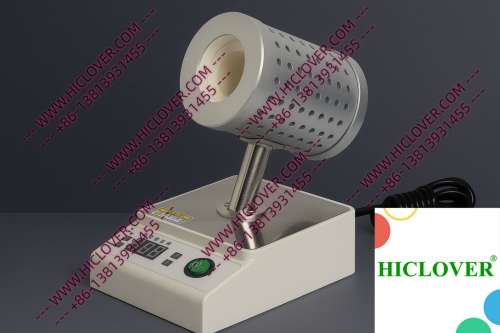
In many microbiology labs, especially those operating at BSL-2 and BSL-3 levels, the use of open flames poses significant risks. These traditional alcohol lamps often produce aerosols and emit harmful fumes, potentially contaminating samples and compromising the integrity of critical experiments. This calls for innovative alternatives that not only meet sterilization needs but also enhance laboratory safety and workflow efficiency. Enter the Micro Incinerator, an advanced solution that employs infrared heating technology, providing a safer and more effective means of sterilization.
Understanding the Micro Incinerator: Technical Principles
The Micro Incinerator utilizes a high-temperature ceramic heating chamber, where infrared heat is generated to achieve rapid thermal sterilization. Unlike traditional flame sources, this enclosed design minimizes the risk of open flames and associated hazards. When using the Micro Incinerator, laboratory personnel can achieve temperatures exceeding 800°C, ideal for inoculating loop sterilization and other essential lab tools. The ability to control heat distribution ensures a uniform sterilization process without the complications that come with flame-based methods.
Design Features
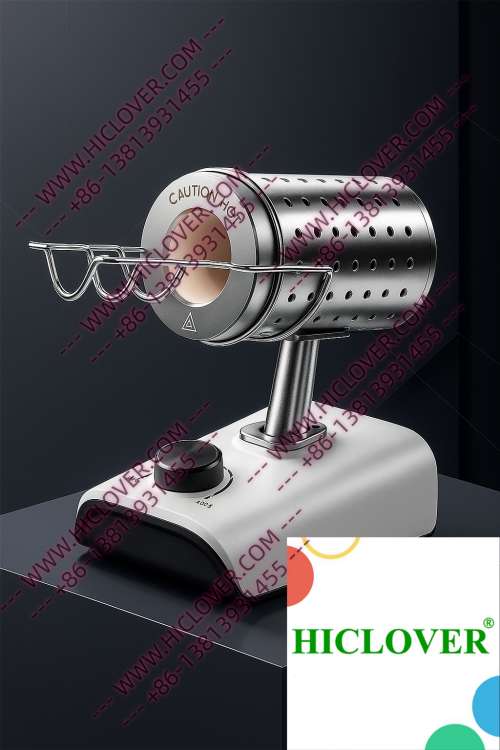
- Compact and Ergonomic: Designed for easy placement within biosafety cabinets or teaching labs.
- Rapid Heating: Attains high temperatures quickly, enabling immediate usage.
- Durable Materials: Constructed from high-grade, non-corrosive materials ensuring longevity.
- Sustainability: No need for alcohol or gas, reducing environmental impact.
Real-World Applications of the Micro Incinerator
1. Biosafety Cabinets in Clinical Diagnostics
Within clinical diagnostics labs, where sample integrity is paramount, the Micro Incinerator serves as a vital tool in safeguarding against cross-contamination. With its clean-bench-safe design and rapid operating capabilities, researchers can efficiently sterilize inoculating loops while maintaining the sterility of nearby samples. This reliability is crucial when handling sensitive microbial cultures, especially during pathogen identification and antimicrobial susceptibility testing.
2. University Teaching Labs
In educational settings, where teaching future generations of scientists, the Micro Incinerator enhances safety protocols within microbiology courses. Students can focus on hands-on learning without the risks associated with open flames. The device’s operator-friendly features also make it an ideal instructional tool, allowing educators to demonstrate proper sterilization techniques effortlessly.
Compliance and Environmental Considerations
Laboratories worldwide, particularly those following WHO biosafety protocols, are transitioning towards cleaner, safer sterilization methods. The Micro Incinerator meets stringent sterilization standards, eliminating the risks associated with flame-based devices. Moreover, it aligns with laboratory sterilization standards that discourage open flames in cleanroom environments, further highlighting its benefit over traditional methods.
Comparative Analysis: Micro Incinerator vs. Flame Burners
| Feature | Micro Incinerator | Flame Burners |
|---|---|---|
| Flame Type | Infrared | Open Flame |
| Contamination Risk | Aerosol-Free | High Risk |
| Heat Control | Uniform and Continuous | Variable |
| Material Safety | Non-Flammable | Combustible |
| Energy Source | Electric | Gas/Alcohol |
FAQs
What type of labs can benefit from using a Micro Incinerator?
Micro Incinerators are ideal for BSL-2 and BSL-3 microbiology labs, clinical diagnostics settings, and university teaching labs, enhancing safety and accuracy in sterilization workflows.
How does the Micro Incinerator contribute to environmental sustainability?
By eliminating the need for alcohol or gas fuels, the Micro Incinerator reduces chemical waste and emission of harmful fumes, promoting a cleaner laboratory environment.
Can the Micro Incinerator be used effectively in field testing labs?
Yes, its compact design and rapid heating capabilities make it suitable for mobile field testing laboratories, where immediate sterilization is crucial.
What are the temperature capabilities of the Micro Incinerator?
The Micro Incinerator can reach temperatures exceeding 800°C, ensuring effective sterilization of inoculating loops and other laboratory equipment.
Is training needed to operate the Micro Incinerator?
While the Micro Incinerator is designed for user-friendly operation, basic training is recommended to ensure optimal usage and safety practices.
Conclusion
In lab environments committed to biosafety and compliance, the Micro Incinerator stands out as a superior alternative to traditional alcohol lamps. Its innovative design and advanced technology not only streamline sterilization workflows but also enhance safety and environmental responsibility. For laboratories seeking to upgrade their sterilization equipment and improve overall operational efficiency, contacting us for a consultation or purchase is the next step towards achieving enhanced biosafety and workflow improvement.
Categories:
Tags: