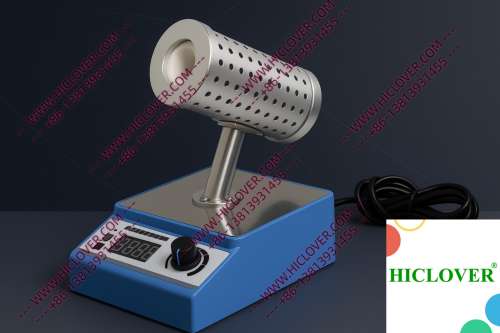
Laboratories face continuous biosafety challenges, particularly in the realms of sterilization workflows. Traditional methods, such as Bunsen burners and alcohol lamps, often fall short in terms of efficiency and safety. With the advent of flameless loop sterilizer heaters — particularly infrared inoculating loop sterilizers — labs can achieve rapid thermal sterilization while adhering to strict safety and compliance regulations.
Understanding Infrared Heating Technology
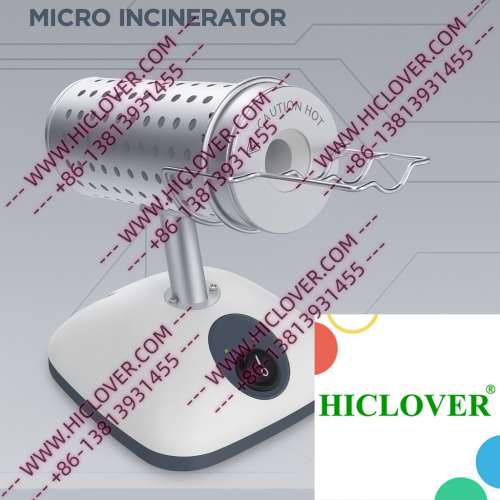
The key to the effectiveness of infrared inoculating loop sterilizers lies in their heating mechanism. These devices use an enclosed ceramic tube that emits infrared high-temperature disinfection, allowing for quick and efficient sterilization. Unlike traditional flame-based sterilizers, the flameless design significantly reduces the risk of burns or fire hazards, making them suitable even for clean areas where open flames are prohibited.
The ceramic heating chamber operates at exceptionally high temperatures, allowing for the rapid sterilization of inoculation loops and automated tools without the risk of contamination. This technology not only enhances user safety but also supports the integrity of lab operations, from BSL-2 laboratories to clinical diagnostics.
Applications in Real Laboratory Settings
- Biosafety Cabinets: Operating within a biosafety cabinet requires specialized equipment that prevents pathogen release. The infrared inoculating loop sterilizer is ideal in this environment, allowing researchers to flame-sterilize inoculating loops without generating disruptive aerosol particulates, thus maintaining sterile conditions.
- Field Testing: In mobile or field testing laboratories, consistent sterilization protocols are critical. Flameless sterilizers provide a portable, lighter alternative that guarantees compliance with safety standards while being easy to transport. Researchers conducting environmental surveys or clinical trials in the field benefit from this innovative technology.
- Teaching Labs: University laboratories often serve as training grounds for future scientists. By using flameless loop sterilizers, educators can demonstrate effective contamination control techniques without the risks associated with open flames. This method provides students with a practical tool for sterile handling as part of their training.
- What is a flameless loop sterilizer?
- A flameless loop sterilizer is a device that uses infrared technology to sterilize inoculating loops rapidly and without an open flame, thereby enhancing safety and efficiency in laboratory settings.
- Why are infrared sterilizers preferred over traditional flame sterilizers?
- Infrared sterilizers provide several advantages, including faster sterilization times, reduced risk of burns or fire hazards, and compliance with bsafety protocols required in sensitive laboratory environments.
- Can I use a micro incinerator in a teaching lab?
- Yes, the micro incinerator is suitable for teaching labs where instructors can demonstrate safety and proper sterilization techniques without the risks associated with open flames.
- Are flameless sterilizers compliant with WHO regulations?
- Yes, flameless sterilizer models meet WHO biosafety compliance and laboratory sterilization standards, making them a viable choice for hospitals and research institutions.
- What types of laboratories benefit most from using infrared inoculating loop sterilizers?
- BSL-2 and BSL-3 microbiology labs, clinical diagnostics facilities, university teaching labs, and even mobile field testing labs can greatly benefit from the enhanced safety and efficiency provided by infrared inoculating loop sterilizers.
Compliance and Environmental Considerations
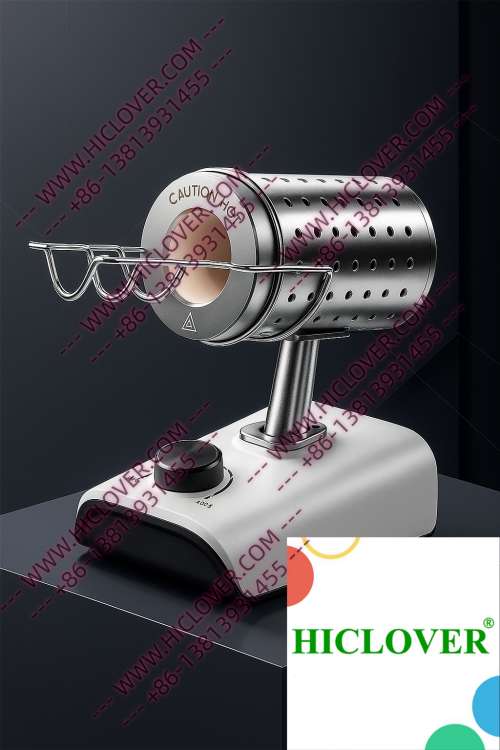
Adhering to biosafety standards set forth by organizations such as the World Health Organization (WHO) is paramount in any laboratory. Infrared inoculating loop sterilizers meet stringent lab sterilization standards, showcasing their role in reducing contamination risks in sensitive environments. Particularly in BSL-3 labs, where aerosol management is critical, the absence of an open flame mitigates both risk and liability.
Furthermore, since flameless sterilizers eliminate open flames, they are ideal for use in cleanroom environments where any potential source of contamination must be considered. This commitment to safety aligns with modern laboratory practices focused on user and environmental protection.
Micro Incinerator vs. Traditional Flame Burners
| Feature | Micro Incinerator | Flame Burners |
|---|---|---|
| Safety | Flameless, reduces burn risk | Open flame increases fire hazard |
| Compliance | Complies with lab regulations | May not meet cleanroom standards |
| Speed | Rapid thermal sterilization | Longer wait time for stabilization |
| Environmental Impact | Aerosol-free handling | May produce contaminants |
Frequently Asked Questions
Conclusion: Transform Your Laboratory Practices
Embracing innovative heating solutions like flameless loop sterilizer heaters can significantly streamline laboratory sterilization processes while enhancing safety and compliance. As laboratories face increasing demands for efficiency and risk management, these advanced instruments are poised to change the landscape of laboratory operations.
Ready to elevate your laboratory’s sterilization protocols? Contact us today to learn more about our range of Micro Incinerator / Infrared Inoculating Loop Sterilizer options, and discover how they can meet your specific needs.
Categories:
Tags: