
In today’s laboratory environment, maintaining a sterile workspace is more critical than ever. With increasing biosafety challenges, the demand for efficient sterilization solutions is paramount, particularly in laboratories handling potentially hazardous microorganisms. As researchers strive for higher standards of contamination control, modern approaches are required to meet both safety and efficiency needs. Enter the Micro Incinerator, specifically the Infrared Inoculating Loop Sterilizer, a game-changing piece of laboratory sterilization equipment that offers a sustainable solution to the traditional flame-based sterilization methods.
Understanding the Technical Principles of Micro Incinerators
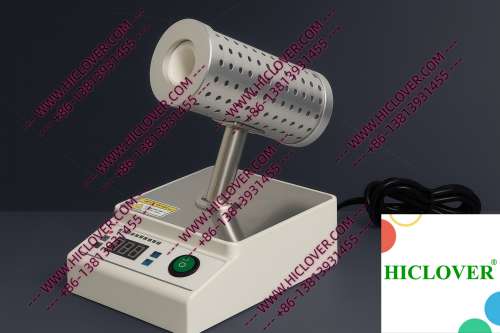
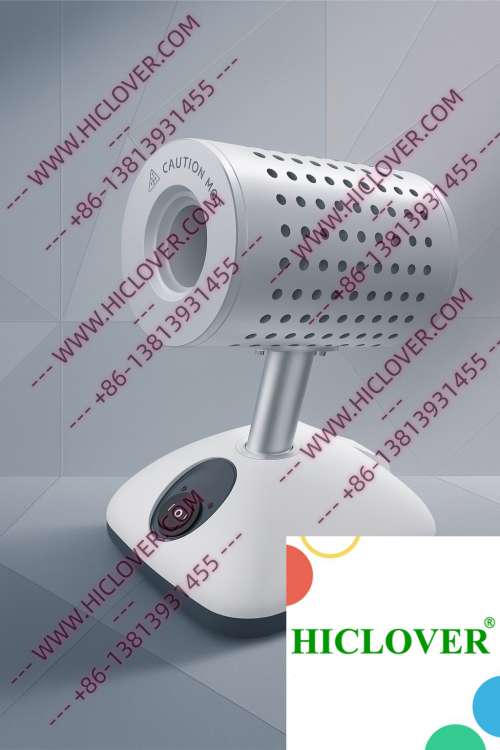
Micro incinerators utilize rapid thermal sterilization through infrared heat technology, which provides high-temperature disinfection without the risks associated with open flames. The device features an enclosed ceramic heating chamber that focuses heat precisely on the inoculating loops, ensuring thorough sterilization in seconds. Unlike traditional alcohol lamps or Bunsen burners, which can pose safety hazards regarding flames and open heat sources, micro incinerators deliver controlled, efficient sterilization with no open flame involved, making them suitable for clean rooms and sensitive environments.
Applications of Micro Incinerators in Laboratory Settings
Micro incinerators have versatile applications in various laboratory settings, including:
- Biosafety Cabinets: In BSL-2 and BSL-3 microbiology laboratories, where hazardous pathogens are handled, the use of micro incinerators aligns with strict contamination control protocols.
- Field Testing: In environments lacking ideal sterilization facilities, portable micro incinerators enable field researchers to maintain compliance and safety standards effortlessly.
- Teaching Labs: University laboratories educating future scientists can benefit greatly from the ease of use and safety of micro incinerators, allowing students to focus on learning without the risks tied to traditional flame sources.
- What are the main advantages of using a micro incinerator in the lab? Micro incinerators offer rapid sterilization, improved safety, and reduced environmental impact compared to traditional flame sterilizers.
- Can a micro incinerator be used in a BSL-3 lab? Yes, micro incinerators are safe and suitable for use in BSL-3 labs due to their enclosed design and compliance with biosafety standards.
- How long does it take to sterilize an inoculating loop using a micro incinerator? Sterilization typically takes just a few seconds, making it more efficient than traditional methods.
- Are there any maintenance requirements for micro incinerators? Routine cleaning of the heating chamber and routine checks for functionality are recommended to maintain optimal performance.
- What type of workshops or training can benefit from micro incinerators? University teaching labs, research institutes, and field-testing workshops can significantly benefit from integrating micro incinerators into their protocols.
Compliance with Safety Standards
The importance of complying with biosafety standards cannot be overstated. Organizations like the WHO emphasize the necessity for effective laboratory sterilization equipment, especially in clinical diagnostics and laboratories handling infectious agents. Micro incinerators not only align with biosafety standards but also support environmental compliance by significantly reducing the risks associated with aerosol generation present in flame-based sterilization methods.
In clean rooms, where contamination is a critical concern, the use of micro incinerators is invaluable. With no flame and minimal particulate generation, these sterilizers are designed to operate within the stringent requirements of a clean environment, allowing for effective sterilization without compromising air quality.
Comparative Analysis: Micro Incinerator vs. Flame Sterilizers
| Feature | Micro Incinerator | Flame Sterilizers |
|---|---|---|
| Sterilization Time | Seconds | 20-30 seconds |
| Safety | No open flame | Open flame risk |
| Environment Suitability | Clean rooms, field use | Not suitable for clean environments |
| Ease of Use | One-touch operation | Requires skill to operate safely |
| Energy Efficiency | Low energy consumption | High energy usage and waste |
FAQs About Micro Incinerators
Conclusion: Transforming Laboratory Practices with Micro Incinerators
In conclusion, the incorporation of micro incinerators into laboratory practices represents a significant advancement in sterilization technology. Their ability to efficiently replace traditional flame sterilization while adhering to stringent biosafety standards makes them an invaluable asset to any laboratory environment. Whether you are operating a clinical diagnostics center, an educational institution, or a field-testing facility, the Micro Incinerator provides a sustainable solution to enhance safety and improve workflow efficiency.
Discover how you can transform your laboratory operations with Micro Incinerators today. Contact us for more information on purchasing options and how to integrate this innovative sterilization equipment into your lab!
Categories:
Tags: