
Laboratory biosafety challenges and the demands of effective sterilization workflows necessitate a re-evaluation of traditional sterilization equipment. In settings such as BSL-2 and BSL-3 microbiology labs, flame sterilizers like alcohol lamps and Bunsen burners pose significant risks, including the potential for fire hazards and air contamination. This article explores innovative alternatives like the Micro Incinerator or Infrared Inoculating Loop Sterilizer, which offer a safe, efficient, and compliant means of achieving rapid thermal sterilization.
Understanding the Micro Incinerator
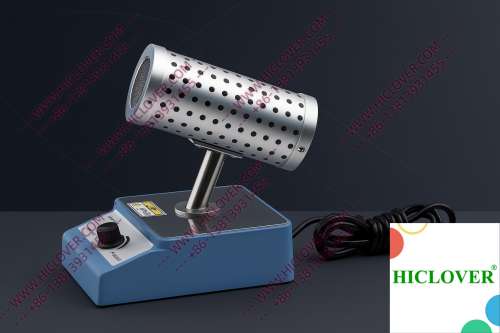
The Micro Incinerator operates on the principle of infrared heat within an enclosed ceramic tube. This design allows for precise temperature control and rapid heating, enabling effective disinfection without producing harmful aerosols. Laboratories can utilize the device for sterilizing inoculating loops, which is essential in maintaining contamination control in sensitive scientific environments.
Advantages of the Micro Incinerator Over Flame Sterilizers
- Safety: No open flame reduces the risk of fire incidents in laboratories.
- Efficiency: Rapid thermal sterilization processes shorten wait times and improve laboratory efficiency.
- Aerosol-Free Handling: In contrast to flame methods, the incinerator minimizes aerosol generation, safeguarding the sterility of the workspace.
- Stable Operation: Ideal for use in biosafety cabinets and clean rooms where airflow and stability are paramount.
- What is a Micro Incinerator, and how does it work? The Micro Incinerator uses infrared heat within a ceramic tube to achieve rapid sterilization without generating aerosols, making it ideal for sensitive laboratory environments.
- Why should laboratories transition from flame sterilizers to infrared sterilizers? Transitioning to infrared systems significantly reduces risks associated with open flames, improves safety, and complies with stringent laboratory standards.
- Can the Micro Incinerator be used in clean rooms? Yes, the Micro Incinerator’s enclosed design means it can safely be used in clean rooms and biosafety cabinets.
- Is the use of the Micro Incinerator efficient in field testing? Absolutely. Its portable design and quick sterilization process make it perfect for outdoor or field testing conditions.
- What compliance standards does the Micro Incinerator meet? The device complies with WHO biosafety regulations and other international sterilization standards.
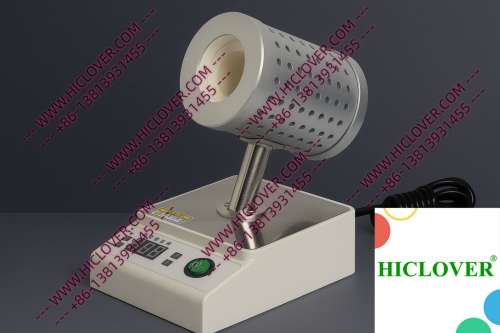
Application Scenarios in Real Labs
Here are two specific scenarios where the Micro Incinerator excels:
1. University Teaching Labs
In university laboratories, the need for safe, compliant, and educational environments is critical. Inoculating loops are frequently used in microbiology courses for cultivating various microorganisms. The Micro Incinerator serves as an ideal tool in these settings, allowing students to practice contamination control without the hazards associated with open flames. With clear visibility of the sterilization process through the ceramic tube, students can learn the importance of proper sterilization procedures while experiencing hands-on training in safe conditions.
2. Field Testing Laboratories
Mobile or field testing laboratories often operate under varying conditions and require dependable sterilization solutions. The Micro Incinerator provides portability and reliability in the field. As scientists conduct tests in environmental monitoring or clinical diagnostics, they rely on efficient, on-the-go sterilization that the Micro Incinerator offers. Its compact design and battery operation mean it can be easily integrated into fieldwork, ensuring that scientists can maintain sterile conditions even in remote locations.
Biosafety and Compliance Standards
Global health organizations, including the WHO, emphasize the importance of strict biosafety standards in laboratories. Compliance with lab sterilization standards must be a priority, especially in clean-room environments where open flames are strictly prohibited. The Micro Incinerator adheres to best practices in sterilization, providing a compliant alternative to traditional flame methods. Ensuring that all sterilization equipment is suitable for various regulatory environments, including BSL-2 and BSL-3 labs, is crucial for maintaining laboratory safety and preventing cross-contamination.
“Incorporating safe sterilization alternatives not only meets regulatory requirements but also enhances laboratory workflow and safety.” – Laboratory Safety Expert
Micro Incinerator vs. Traditional Flame Sterilizers
| Feature | Micro Incinerator | Flame Sterilizer |
|---|---|---|
| Heating Method | Infrared heat | Open flame |
| Safety | Low risk of fire | High risk of fire |
| Contamination Control | Aerosol-free | Aerosol generation |
| Speed | Rapid thermal sterilization | Variable time |
| Usability in Clean Rooms | Yes | No |
Frequently Asked Questions
Conclusion
As laboratories face ongoing challenges in maintaining safety and compliance, transitioning to innovative solutions like the Micro Incinerator presents a clear path forward. With its remarkable safety features, rapid sterilization capabilities, and adherence to biosafety standards, it stands as a superior alternative to traditional flame sterilizers. For laboratories aiming to enhance their sterilization practices and optimize workflows, the Micro Incinerator is a wise investment.
Contact us today to learn more about how the Micro Incinerator can transform your laboratory practices and maintain strict sterilization compliance.
Categories:
Tags: