
The landscape of laboratory biosafety is continually evolving, demanding innovative solutions that enhance sterilization workflows while ensuring compliance with stringent safety standards. Traditional sterilization methods, such as alcohol lamps and Bunsen burners, have given way to modern alternatives that offer superior efficiency, safety, and effectiveness in contaminant control. Among these advancements, the Micro Incinerator, particularly the Infrared Inoculating Loop Sterilizer, stands out as a game-changer in laboratory sterilization equipment.
Meeting Laboratory Sterilization Demands
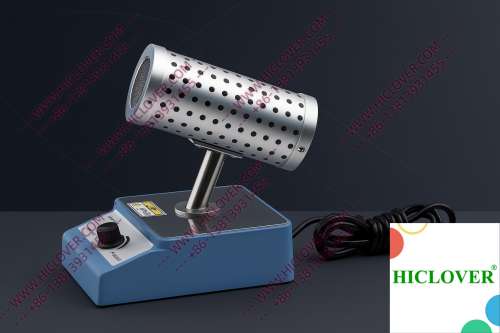
Incineration technology operates on the principle of rapid thermal sterilization, which utilizes infrared heat to ensure thorough disinfection without introducing harmful residues or aerosols. The enclosed ceramic heating chamber of the Micro Incinerator provides focused high-temperature disinfection, making it an ideal choice for laboratories that emphasize cleanliness and safety. Unlike traditional methods that rely on open flames, this device guarantees a clean-bench-safe environment, mitigating the risks of cross-contamination and burns.
Technical Principles of Micro Incinerators
The Micro Incinerator’s design centers around an enclosed heating element that effectively generates infrared radiation. This technology facilitates the rapid heating of inoculating loops and other laboratory instruments, achieving temperatures that render microbial life inactive in seconds. The reliability of this sterilization equipment stems from its ability to reach and maintain high temperatures, ensuring thorough sterilization without the drawbacks associated with combustible sources. Additionally, the compact design makes it adaptable for various laboratory settings, whether in a sterile cleanroom or an active field-testing environment.
Practical Applications in Real Labs
The versatility of the Micro Incinerator extends beyond conventional laboratories. Here are two specific application scenarios:
- Biosafety Cabinets: The Micro Incinerator is perfect for use inside biosafety cabinets (BSL-2/BSL-3). Its touchless operation not only promotes enhanced safety for users but also fosters an environment where strict contamination control is paramount. Researchers can quickly sterilize tools without compromising the sterile field, effectively reducing any risk of pathogen transmission during critical experiments.
- Teaching Labs: In educational settings, where students and instructors require a reliable method for sterilizing inoculating loops, the Micro Incinerator offers a safe and easy-to-use alternative. Its straightforward operational process ensures that students can focus on learning without the hazards associated with traditional flame sterilizers, thus fostering a safer learning environment.
Compliance with Standards and Safety Protocols
Ensuring compliance with biosafety standards is essential for laboratories worldwide. The WHO offers guidelines that promote effective laboratory practices, including safe sterilization methods that avoid flame use in cleanrooms. As these standards evolve, institutions can turn to the Micro Incinerator to adhere to lab sterilization standards while providing optimal safety for laboratory personnel.
The compact nature and operational safety of the Micro Incinerator also align with environmental considerations, reducing the carbon footprint associated with traditional flame-based sterilization technologies. The absence of flame significantly lowers the risk of fire hazards, particularly in sensitive environments like CO₂ incubators and anaerobic chambers.
Micro Incinerator vs. Traditional Flame Sterilizers
To better understand the advantages of Micro Incinerators, let’s compare them with conventional flame sterilizers:
| Feature | Micro Incinerator | Flame Sterilizers |
|---|---|---|
| Operation | Touchless, infrared heater | Open flame |
| Safety | Clean-bench-safe, no fire hazards | Risk of burns and contamination |
| Efficiency | Rapid sterilization within seconds | Inconsistent heat distribution |
| Environmental Impact | Lower carbon footprint | Higher emissions from combustion |
Frequently Asked Questions
- What makes the Micro Incinerator different from traditional sterilization methods?
The Micro Incinerator uses infrared technology for rapid, touchless sterilization, eliminating the need for open flames and offering safer operation in labs.
- Can the Micro Incinerator be used in BSL-3 labs?
Yes, it is explicitly designed for use in biosafety cabinets, making it suitable for BSL-2 and BSL-3 laboratories where strict contamination controls are necessary.
- How does the Micro Incinerator comply with biosafety standards?
It adheres to WHO guidelines and other laboratory sterilization standards by providing a safer, flame-free environment, essential for modern cleanroom applications.
- Is the Micro Incinerator suitable for educational purposes?
Absolutely! Its safety features make it an excellent choice for teaching labs, particularly for training students in proper sterilization techniques without the risks posed by flame.
- What are the maintenance requirements for a Micro Incinerator?
The Micro Incinerator requires minimal maintenance, primarily involving routine cleaning of the ceramic heating chamber to ensure consistent performance.
Conclusion
In an era where laboratory efficiency and safety are more critical than ever, the Micro Incinerator emerges as a pioneering solution in sterilization technology. As laboratories in cities like New York, London, and Tokyo seek to adopt innovative sterilization techniques, equipping themselves with a Micro Incinerator can significantly enhance their operational protocols while ensuring compliance with international safety standards. For more information on our top-of-the-line Micro Incinerators and to discover how they can benefit your facility, please contact us today!
Categories:
Tags: