
In today’s fast-paced laboratory environment, the challenges of biosafety and sterilization workflows continue to evolve. As research becomes more sophisticated, the demand for effective sterilization methods and biohazard waste management is more crucial than ever. Micro incinerators, particularly the Infrared Inoculating Loop Sterilizer, offer innovative solutions that not only enhance contamination control but also comply with strict laboratory sterilization standards.
Understanding the Challenges in Laboratory Biosafety
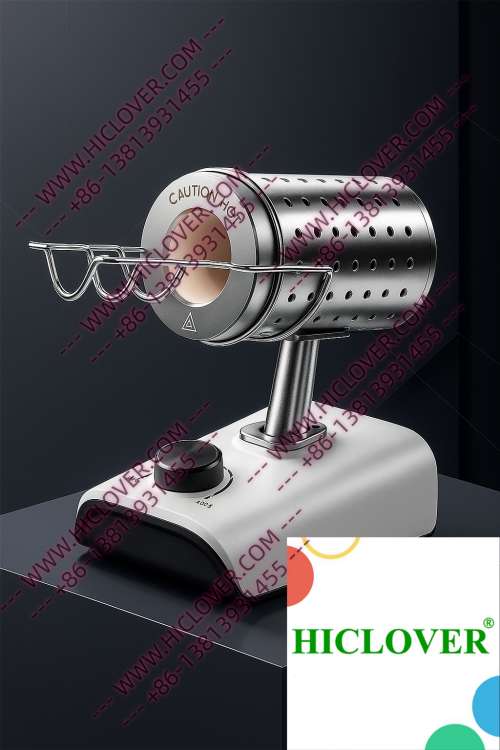
Laboratories often face significant biosafety challenges, particularly in BSL-2 and BSL-3 microbiology settings. Traditional flame sterilizers, such as alcohol lamps and Bunsen burners, present risks such as open flames, high energy consumption, and potential aerosol generation. These obstacles can hinder everyday laboratory duties including inoculation, sterilization of tools, and overall workflow efficiency.
Innovative Design of Micro Incinerators
The micro incinerator is equipped with a high-temperature ceramic heating chamber that utilizes infrared heat. This state-of-the-art design allows for:
- Rapid Thermal Sterilization: The infrared technology heats the inoculating loop quickly, ensuring complete sterilization within seconds.
- Clean-Bench-Safe Operation: Unlike traditional flame sterilizers, micro incinerators minimize contamination risks as they do not produce aerosols or disturb the sterile environment in cleanrooms.
- Energy Efficiency: Micro incinerators consume significantly less energy than their flame counterparts, making them an environmentally friendly choice.
- Reduced risk of fire hazards in sensitive environments.
- Effective biohazard waste management through high-temperature exposure.
- Enhanced aerosol-free handling, protecting both users and the environment.
These features make micro incinerators particularly beneficial in laboratories requiring high standards of biosafety, such as university teaching labs, clinical diagnostics, and mobile or field testing labs.
Applications in Real Labs
Application Scenario 1: Biosafety Cabinet Operation
In a BSL-2 microbiology lab, a micro incinerator can be effectively used within a biosafety cabinet for rapid sterilization of inoculating loops. Researchers can utilize the micro incinerator to eliminate contaminants between sample inoculations without exposing the sterile environment to open flames. This capability not only streamlines workflows but also significantly enhances safety for staff and prevents cross-contamination.
Application Scenario 2: Teaching Laboratories
In university teaching labs, where students are often learning aseptic techniques, the implementation of micro incinerators ensures effective sterilization without the dangers associated with flame-based tools. Students can learn critical skills while using a safer, more efficient device that reinforces good laboratory practices. Furthermore, instructors can oversee the sterilization process more easily, as the clear visibility of the infrared heating element eliminates confusion about proper techniques.
Compliance and Environmental Considerations
Compliance with global biosafety standards is essential in laboratory operations. Guidelines provided by organizations such as the World Health Organization (WHO) emphasize the need for effective sterilization practices that prevent the spread of biohazards. Micro incinerators not only fulfill these regulations by offering controlled, flame-free sterilization but also align with lab sterilization standards that mandate clean operations without the use of hazardous open flames in clean rooms.
Key Benefits of Micro Incinerators for Compliance and Safety:
Micro Incinerator vs. Traditional Flame Sterilizers: A Quick Comparison
| Feature | Micro Incinerator | Traditional Flame Sterilizers |
|---|---|---|
| Operating Temperature | Up to 800°C | Varies; typically around 600°C |
| Energy Consumption | Low | High |
| Aerosol Production | No | Yes |
| Ease of Use | Simple, with one-touch operation | Requires skill and constant monitoring |
| Risk of Fire | Minimal | High |
FAQs About Micro Incinerators
1. What is the primary advantage of using a micro incinerator over a Bunsen burner?
The primary advantage is the reduced risk of aerosol generation and fire hazards, making micro incinerators safer for use in sensitive laboratory environments.
2. How is the sterilization process in a micro incinerator different?
Micro incinerators use infrared technology to rapidly heat the inoculating loop to a high temperature, ensuring effective sterilization in seconds, compared to the slower response time of flame-based devices.
3. Can micro incinerators be used in field testing labs?
Yes, micro incinerators are portable and can be safely used in field testing labs due to their energy efficiency and safe operation without open flames.
4. Are micro incinerators compliant with international biosafety standards?
Absolutely, they comply with WHO and other international standards for laboratory sterilization, making them suitable for various biosafety levels.
5. What maintenance is required for micro incinerators?
Micro incinerators generally require minimal maintenance, including routine cleaning of the ceramic heating chamber and periodic checks for functionality.
Conclusion: Embrace the Future of Laboratory Sterilization
As laboratories around the world strive to meet rigorous biosafety and sterilization standards, micro incinerators like the Infrared Inoculating Loop Sterilizer are leading the way in innovation. Their efficiency, safety, and compliance with global guidelines not only transform laboratory practices but also ensure a higher level of contamination control.
If you are seeking to upgrade your laboratory’s sterilization equipment or implement innovative solutions for biohazard waste disposal, consider exploring the benefits of micro incinerators. For inquiries or to place an order, don’t hesitate to reach out to us today!
Categories:
Tags: