
In today’s laboratory environment, especially in water labs dealing with microbiological examinations, sterilization remains a prime concern. Effective contamination control is not just a regulatory compliance requirement but also integral to obtaining accurate and reliable results. As the demand for stringent sterilization workflows intensifies, innovative solutions such as micro incineration technology are proving invaluable. The Infrared Inoculating Loop Sterilizer, or Micro Incinerator, is reshaping the landscape of laboratory sterilization equipment, particularly in specialized settings like BSL-2 and BSL-3 microbiology labs.
Understanding the Micro Incinerator: Technical Principles
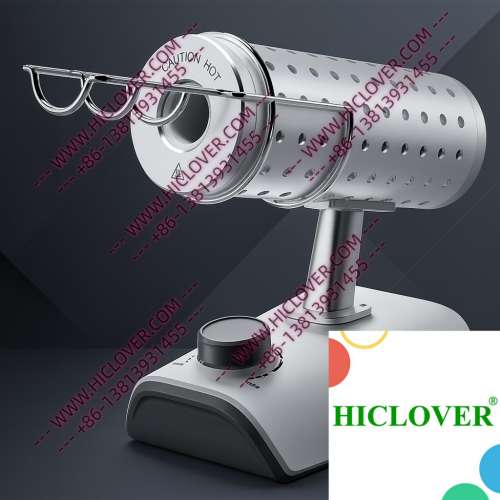
The Micro Incinerator employs advanced infrared heating principles, eliminating the need for traditional flame-based methods such as Bunsen burners or alcohol lamps. This device utilizes an enclosed ceramic heating chamber that generates rapid thermal sterilization through direct infrared heat. By achieving high temperatures in a controlled manner, it ensures complete disinfection without the risks associated with open flames, such as aerosol generation and ignition of flammable materials.
Distinct Advantages of Micro Incineration Technology
- Safety: The absence of a flame reduces hazards associated with burns and accidental fires.
- Efficiency: Rapid thermal sterilization allows for faster turnaround times during lab procedures.
- Precision: The enclosed design minimizes contamination risks, essential for sterile environments.
- Environmentally Friendly: No emissions related to combustion means fewer environmental impacts.
- Easy Integration: Ideal for biosafety cabinets and various lab setups.
Real-World Applications of Micro Incinerators
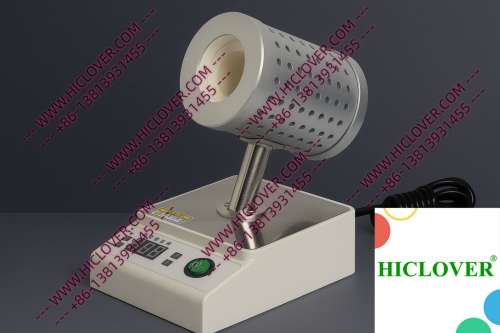
Micro Incinerators are making significant headway in various laboratory settings. Here are two relevant application scenarios:
1. University Teaching Labs
In educational institutions, especially when teaching microbiology, it’s crucial to instill safe lab practices in students. The use of Micro Incinerators, integrated into lab coursework, allows students to experience firsthand the significance of contamination control and rapid sterilization techniques. Students can quickly sterilize inoculating loops and tools without fear of burns or the negative aspects of flame, thus fostering a safer and more effective learning environment.
2. Field Testing in Mobile Labs
For field testing purposes, such as when monitoring water quality in remote locations, the mobility and portability of Micro Incinerators become paramount. These devices can provide rapid sterilization in environments lacking advanced laboratory setups. With clean-bench-safe operations, they offer a reliable sterilization point for sampling instruments, ensuring that sample integrity is maintained even in challenging terrains.
Compliance with Biosafety Standards
Adhering to international biosafety standards is non-negotiable for laboratories undertaking microbiological work. Organizations like the World Health Organization (WHO) provide guidelines that dictate the necessity of effective sterilization protocols in laboratories. The Micro Incinerator aligns perfectly with these standards, particularly in ensuring that no flame is present in clean room environments, thereby significantly reducing the risk of aerosol generation. Its compact design is also well-suited for BSL-2 and BSL-3 facilities where stringent containment measures are essential.
“Sterilization is the foundation of good laboratory practice, and with advancements in technologies like micro incineration, we are one step closer to achieving uncompromised biosafety standards.” – Lab Safety Expert
Comparative Analysis: Micro Incinerator vs. Flame Burners
| Feature | Micro Incinerator | Flame Burners (Bunsen Lamps) |
|---|---|---|
| Safety | No flame; lower burn risk | Open flame; higher burn risk |
| Sterilization Time | Rapid (<10s) | Variable |
| Contamination Control | High; enclosed design | Medium; open design |
| Environment Friendly | Yes; no emissions | No; combustion byproducts |
| Operational Environment | Clean rooms, field labs | General lab use |
FAQs About Micro Incinerators
1. What is the primary benefit of using a Micro Incinerator over traditional sterilizers?
The primary advantage is enhanced safety without open flames, along with efficient sterilization and reduced risk of contamination.
2. Can Micro Incinerators be integrated into a biosafety cabinet?
Yes, Micro Incinerators are designed to fit seamlessly into biosafety cabinets, making them an excellent choice for work involving sensitive materials.
3. How does the infrared sterilization process work?
The device uses targeted infrared heat to quickly reach high temperatures, ensuring complete sterilization of tools and inoculating loops without combustion byproducts.
4. Is the Micro Incinerator compliant with WHO biosafety standards?
Yes, it adheres to stringent international biosafety regulations, making it suitable for use in various laboratory environments.
5. What laboratory types benefit most from using a Micro Incinerator?
Micro Incinerators are ideal for university teaching labs, BSL-2 and BSL-3 microbiology labs, as well as mobile field testing laboratories.
Conclusion: Embrace Innovation for Laboratory Sterilization
As the challenges of laboratory sterilization escalate with advancing biosafety requirements, adopting innovative technologies like the Micro Incinerator is more critical than ever. By transitioning from outdated flame-based sterilizers to advanced micro incineration solutions, laboratories can enhance safety, efficiency, and compliance with biosafety standards.
For distributors, hospitals, and research centers, this shift not only improves workflows but also positions your facility as a leader in laboratory excellence. Contact us today to learn more about our high-quality Micro Incinerators and how they can elevate your laboratory operations.
Categories:
Tags: