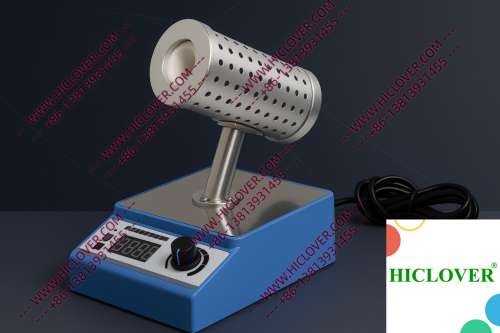
Laboratory biosafety challenges are ever-evolving, particularly in regions like Helsinki, where research and academic institutions demand robust sterilization protocols. As laboratories strive to enhance their sterilization workflows amidst increasing contamination concerns, innovative solutions like the Micro Incinerator / Infrared Inoculating Loop Sterilizer emerge as game-changers in maintaining high biosafety standards. This article explores how these advanced sterilization tools are redefining practices in medical laboratories.
Addressing Laboratory Biosafety Challenges
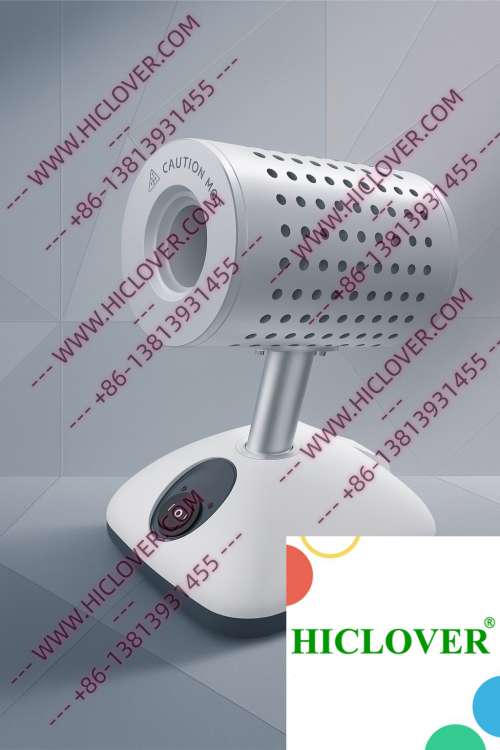
In Helsinki, where the scientific community actively engages in research, the need for effective sterilization is paramount. Traditional flame sterilizers such as Bunsen burners and alcohol lamps pose several challenges, including the risk of introducing aerosols and the difficulty of maintaining sterile conditions in clean benches and biosafety cabinets. With emerging pathogens and stringent biosafety regulations, laboratories are re-evaluating their sterilization methods.
Understanding the Micro Incinerator
The Micro Incinerator employs infrared heat to achieve rapid thermal sterilization, utilizing an enclosed ceramic tube that generates consistent high-temperature disinfection. This technology eliminates the risks associated with open flames while ensuring thorough sterilization of inoculating loops and other lab tools. The design is clean-bench-safe, making it an ideal choice for laboratories that prioritize contamination control.
Technical Principles of Operation
The Micro Incinerator’s operation is straightforward yet effective: organisms are destroyed in seconds without the need for an open flame. The infrared heating element rapidly reaches temperatures sufficient to sterilize instruments through direct contact. The enclosed ceramic chamber minimizes the risk of airflow contaminants and enhances the sterilization process, ensuring that the environment remains free of aerosolized pathogens.
Application Scenarios in Real Labs
Biosafety Cabinet Applications
In BSL-2 and BSL-3 laboratories, where handling of microbial pathogens is routine, the Micro Incinerator becomes an essential piece of sterilization equipment. Users can safely sterilize inoculating loops directly within their biosafety cabinets, ensuring that any risk of contamination is minimized. This use case not only streamlines workflow but also significantly improves safety for laboratory personnel.
Field Testing and Teaching Labs
Field testing environments, such as mobile laboratories used for disease surveillance, benefit from the portability and efficiency of the Micro Incinerator. Its lightweight design allows for easy transportation while maintaining the rigorous sterilization standards requisite in field operations. Additionally, university teaching labs utilize the Micro Incinerator as a demonstration tool, educating the next generation of researchers on modern sterilization practices and biosafety protocols.
Compliance and Environmental Considerations
Meeting regulatory standards is critical for laboratories, especially those aligned with WHO biosafety protocols. The Micro Incinerator complies with global lab sterilization standards and eliminates the use of flame in clean rooms, protecting the integrity of sensitive experiments and samples. This innovation aligns neatly with the environmental directives aimed at reducing open flame use, ensuring laboratories contribute positively to sustainability efforts.
Comparative Analysis: Micro Incinerator vs. Traditional Flame Sterilizers
| Feature | Micro Incinerator | Flame Sterilizers |
|---|---|---|
| Safety | Non-flammable, aerosol-free | Risk of flames and aerosol generation |
| Speed of Sterilization | Seconds | Varies, typically longer |
| Portability | Lightweight and portable | Generally bulky |
| Usability in Clean Environments | Yes | No |
FAQs about the Micro Incinerator
- What is the effectiveness of the Micro Incinerator compared to traditional methods? The Micro Incinerator provides rapid thermal sterilization that is typically more effective than traditional flame methods while minimizing contamination risks.
- Can the Micro Incinerator be used in field conditions? Yes, the lightweight design makes it suitable for use in mobile labs and field testing operations.
- How does the Micro Incinerator ensure safety in a laboratory setting? By eliminating the need for open flames, it reduces the risk of fire hazards and aerosol generation, making it safer for use in clean environments.
- What are the maintenance requirements for the Micro Incinerator? Regular cleaning of the ceramic tube is recommended to ensure optimal performance.
- Is the Micro Incinerator compliant with biosafety regulations? Yes, it meets WHO biosafety standards and is designed for use in accordance with laboratory sterilization guidelines.
Conclusion
As Helsinki’s medical labs continue to confront the challenges of laboratory biosafety, the adoption of advanced sterilization equipment like the Micro Incinerator is set to redefine standards and practices. With its rapid sterilization capabilities, safety features, and compliance with international guidelines, it’s an essential tool for all laboratory environments. For laboratories looking to elevate their sterilization protocols, investing in the Micro Incinerator is a strategic decision that aligns with both effectiveness and safety.
For more information and to explore procurement options, feel free to reach out to our team today. Your lab’s safety and efficiency deserve the best!
Categories:
Tags: