
In the world of laboratory work, maintaining biosafety is paramount. Laboratories frequently face challenges in sterilization protocols, especially in scenarios involving high-stakes microbiological analysis, clinical diagnostics, and educational environments. Traditional methods, such as flame sterilizers, can present risks not only in terms of contamination but also regarding safety in cleanroom settings. This creates a pressing demand for advanced sterilization technologies like the Micro Incinerator or Infrared Inoculating Loop Sterilizer.
Understanding Infrared Sterilization Technology
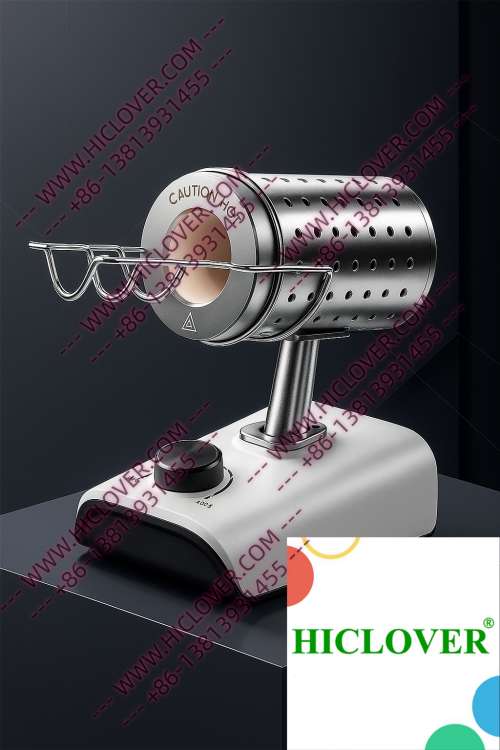
The Micro Incinerator employs rapid thermal sterilization using an infrared heat source enclosed within a ceramic tube. Unlike traditional alcohol lamps or Bunsen burners, which have an open flame and produce harmful aerosols, the infrared sterilizer creates a clean and controlled environment free from these risks. This innovative technology provides high-temperature disinfection with minimal thermal inertia, allowing for quick cycles between uses.
Applications in Real Laboratories
Biosafety Cabinets
In BSL-2 and BSL-3 microbiology labs, the Micro Incinerator is an invaluable tool. For instance, while working with pathogens that require strict contamination control, researchers can use the device to sterilize inoculating loops swiftly and safely within the confines of biosafety cabinets. This significantly reduces the risk of both cross-contamination and accidental exposure.
University Teaching Labs
In academic institutions, such as those found in Kansas City, the Micro Incinerator fosters a safer learning environment. Students can practice sterile techniques and microbiological methods without the direct danger posed by flames. The design’s user-friendly interface and rapid heating capability ensure that laboratory instructors can devote more time to teaching principles of biosafety rather than managing risks associated with flame sterilization.
Compliance and Environmental Considerations
Compliance with established biosafety standards, such as those outlined by the World Health Organization (WHO), is essential for any laboratory. The use of flame sterilizers can create challenges in cleanroom environments, where aerosol production and contamination must be rigorously controlled. The Micro Incinerator adheres to stringent laboratory sterilization standards, making it an excellent alternative to open flames, especially in sensitive areas like anaerobic chambers or CO₂ incubators.
Key benefits of the Micro Incinerator include:
- Enhanced safety through flame-free operation
- Rapid thermal sterilization capabilities
- Compact design for space-constrained labs
- Reduced risk of cross-contamination
- Improved compliance with biosafety protocols
Advantages Over Traditional Flame Sterilizers
When comparing the Micro Incinerator to traditional flame burners, several critical advantages emerge:
| Feature | Micro Incinerator | Flame Sterilizers |
|---|---|---|
| Flame-Free Operation | Yes | No |
| Risk of Aerosol Generation | None | High |
| Adaptability in Cleanrooms | Excellent | Poor |
| User Safety | High | Medium |
Frequently Asked Questions (FAQs)
What is a Micro Incinerator?
A Micro Incinerator is a device that sterilizes inoculating tools using infrared heat rather than a flame, providing a safer and more efficient sterilization method.
How does infrared sterilization work?
Infrared sterilization utilizes high temperatures generated by an enclosed ceramic heating chamber, allowing for thorough sterilization of tools without exposing them to open flames.
Can the Micro Incinerator be used in field testing labs?
Absolutely! Its compact and portable design makes it an excellent choice for field-testing labs where flame sterilizers may pose safety hazards.
What regulatory standards does the Micro Incinerator comply with?
The Micro Incinerator adheres to various biosafety standards, including those outlined by the WHO, ensuring that it meets the rigorous demands of laboratory environments.
Is the Micro Incinerator easy to use for beginners?
Yes, the Micro Incinerator has a straightforward interface that allows beginners, such as university students, to safely and effectively sterilize tools with minimal training.
Conclusion
The incorporation of advanced sterilization technology like the Micro Incinerator in Kansas City diagnostic labs demonstrates a commitment to enhancing safety and efficiency in laboratory workflows. By opting for infrared sterilizers, labs can mitigate biosafety risks while maintaining compliance with stringent standards. For those interested in upgrading their laboratory sterilization equipment or learn more about the Micro Incinerator, don’t hesitate to reach out. Let’s work together to create a safer laboratory environment!
Categories:
Tags: