
In modern laboratory environments, especially in regions like Sri Lanka, the need for effective sterilization methods has become paramount. Laboratories, ranging from clinical diagnostics to teaching institutions, face significant biosafety challenges that call for reliable sterilization solutions. The growing threats of contamination can jeopardize not just research outcomes but public health as well. Traditional methods of sterilization, such as alcohol lamps and Bunsen burners, pose risks associated with open flames and aerosol generation, necessitating the shift towards innovative alternatives. Enter the Micro Incinerator, specifically the Infrared Inoculating Loop Sterilizer, which is revolutionizing waste management and sterilization workflows for various applications.
Understanding the Principle of Micro Incinerators

The Micro Incinerator functions on the principle of rapid thermal sterilization, harnessing infrared heat to achieve high-temperature disinfection. Unlike conventional flame-based methods, this modern apparatus utilizes a ceramic heating chamber that ensures an enclosed and controlled thermal environment. The high temperatures achieved by the infrared heating coil can rapidly sterilize inoculating loops, needles, and other laboratory implements, ensuring complete microbial destruction in a matter of seconds.
One of the significant advantages of this technology is its clean-bench-safe operation. The absence of an open flame minimizes fire hazards and the risk of contamination from aerosolized particles, creating a safer environment for laboratory personnel and sensitive experiments.
Application Scenarios in Real Labs
Biosafety Cabinets
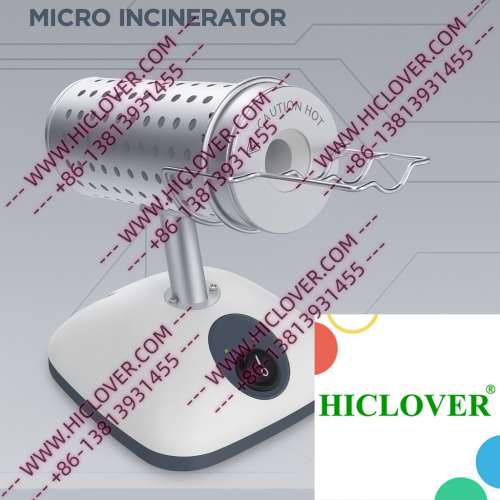
Micro Incinerators have found extensive usage in biosafety cabinets, where airborne pathogens need to be controlled stringently. In a BSL-2 microbiology lab, the device offers an efficient means to sterilize tools while preserving a sterile environment. Researchers can quickly sterilize inoculating loops between subculturing sessions without worrying about unintended contamination or air disturbance.
Teaching Laboratories
In university teaching labs, where students often work with various biological materials, the Infrared Inoculating Loop Sterilizer serves as an essential tool for biosafety education. Students can learn the proper techniques for microbial handling while utilizing a device that assures precision and safety. This hands-on experience not only enhances their learning but also instills a culture of safety within budding scientists.
Compliance and Environmental Considerations
When it comes to laboratory operations, compliance with various standards is crucial. The World Health Organization (WHO) has established comprehensive biosafety protocols to manage laboratory hazards effectively. Micro Incinerators align well with these guidelines by providing a non-flame, low-emission option that enhances lab safety. Furthermore, labs that focus on sterilization standards appreciate the Micro Incinerator’s efficiency in maintaining cleanliness without causing the trouble of residual alcohol vapors, often associated with flame sterilizers.
Additionally, clean room operations necessitate strict controls to avoid contamination. The absence of flame-generated contaminants from Micro Incinerators makes them an ideal choice for environments requiring stringent airflow and cleanliness standards.
Comparison: Micro Incinerators vs. Traditional Flame Sterilizers
| Features | Micro Incinerator | Flame Sterilizers |
|---|---|---|
| Operation Mode | Infrared heating | Open flame |
| Safety | Low-risk, flameless | High-risk of fire |
| Cleaning | Minimal residue | Residual contamination possible |
| Speed | Rapid sterilization | Variable, depending on skill |
| Compliance | Meets WHO Biosafety standards | May not comply in clean rooms |
FAQs
- What is a Micro Incinerator used for? Micro Incinerators are primarily used for rapid sterilization of laboratory tools like inoculating loops and needles.
- How does infrared sterilization compare to traditional sterilization methods? Infrared sterilization is safer and faster, providing effective microbial control without the complications associated with open flames.
- In what laboratory settings are Micro Incinerators most beneficial? They are ideal for BSL-2 and BSL-3 labs, teaching laboratories, and field testing sites due to their safety and efficiency.
- Are Micro Incinerators compliant with global safety standards? Yes, they adhere to WHO biosafety standards and are suitable for cleanroom operations.
- How can I integrate Micro Incinerators into my laboratory? For integration, consider your sterilization workflow demands, and contact suppliers for guidance on the best fit for your needs.
Conclusion
Micro Incinerators, particularly the Infrared Inoculating Loop Sterilizer, are setting new benchmarks in the waste management and sterilization landscape of laboratories in Sri Lanka and beyond. Their reliability, safety, and efficiency make them the perfect solution for modern biosafety needs. By investing in such innovative solutions, laboratories can uphold high standards of cleanliness and enhance the safety of their environments. For more information on procuring a Micro Incinerator for your lab, feel free to reach out to our sales team! Transform your sterilization processes today!
Categories:
Tags: