
In Maputo, Mozambique, laboratory biosafety challenges require innovative solutions that streamline the sterilization workflow. With the rise of clinical diagnostics and microbiological research, the demand for advanced sterilization equipment, such as Micro Incinerators or Infrared Inoculating Loop Sterilizers, has become critical. These devices are reshaping how laboratories manage contamination control, ensuring safer and more efficient practices.
The Technical Principles Behind Infrared Inoculating Loop Sterilizers
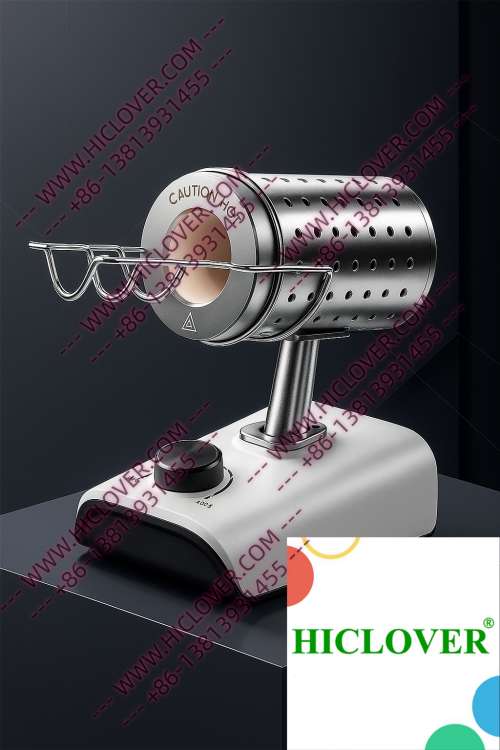
The fundamental principle of Micro Incinerators revolves around the use of infrared heat to achieve rapid thermal sterilization. Unlike traditional flame sterilizers, such as Bunsen burners and alcohol lamps, these devices utilize a ceramic heating chamber that ensures uniform and efficient heat distribution.
Key features of the Micro Incinerator include:
- Infrared High-Temperature Disinfection: Capable of reaching temperatures that effectively eliminate 99.99% of microorganisms.
- Enclosed Ceramic Tube: Provides a clean and safe sterilization environment, greatly reducing the risk of cross-contamination.
- Aerosol-Free Handling: Prevents the generation of aerosols, thereby enhancing safety during laboratory operations.
- WHO Biosafety Guidelines
- ISO 15189 for Medical Laboratories
- Local Mozambican regulations on laboratory safety
- What is the main advantage of using a Micro Incinerator over traditional flame sterilizers?
Micro Incinerators provide enhanced safety, efficiency, and compliance with biosafety standards. - Can Micro Incinerators be used in BSL-2 and BSL-3 labs?
Yes, they are suitable for high-containment laboratories due to their sterile and safe operating procedure. - How does infrared sterilization work?
Infrared sterilization uses focused heat to quickly destroy microorganisms on the inoculating loop without the risks of flame-based methods. - What maintenance is required for a Micro Incinerator?
Regular cleaning of the ceramic heating chamber and ensuring the unit is free of residual materials are essential for optimal performance. - Are Micro Incinerators compliant with WHO biosafety standards?
Yes, they meet international biosafety guidelines set forth by WHO, providing safe operational procedures in laboratories.
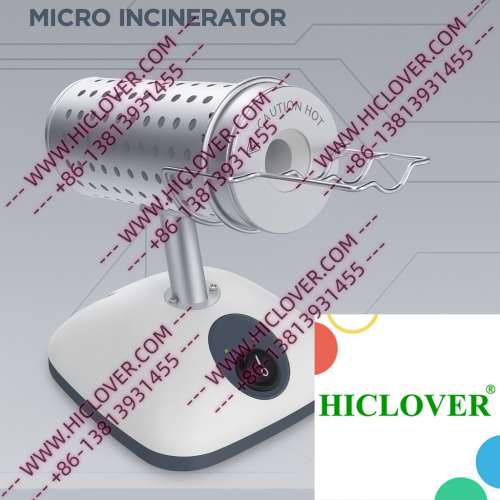
This configuration not only enhances the workflow but also aligns with the best practices of biosafety, particularly in environments such as BSL-2 and BSL-3 microbiology labs.
Application Scenarios in Real Laboratory Settings
Micro Incinerators are versatile tools that can be effectively utilized in various laboratory environments. Here are two key application scenarios:
1. Biosafety Cabinets
In a typical biosafety cabinet setup, researchers often find themselves using traditional flame sterilizers. However, integrating a Micro Incinerator can significantly improve operational efficiency. Its rapid sterilization process minimizes downtime while providing an aerosol-free atmosphere vital for handling pathogenic samples.
2. University Teaching Labs
University teaching labs present a unique requirement for sterile environments when demonstrating microbial techniques. Using a Micro Incinerator allows students to observe a modern sterilization technique that enhances safety and learning. The ability to rapidly sterilize inoculating loops ensures that students can focus more on practical aspects rather than lengthy sterilization procedures.
Compliance and Environmental Considerations
Adhering to international safety standards is non-negotiable in laboratory environments. The World Health Organization (WHO) outlines strict biosafety regulations to ensure that laboratories engage in practices that diminish risks associated with microbial contamination. Utilizing flame-based sterilizers in clean rooms can pose significant hazards, making the adoption of Micro Incinerators crucial for compliance.
Key Compliance Standards Include:
These compliance aspects not only enhance workplace safety but also align with broader environmental considerations, as traditional flame methods can produce hazardous waste and emissions.
Why Choose Infrared Inoculating Loop Sterilizers Over Flame Burners?
When comparing Micro Incinerators with traditional flame sterilizers, the advantages become evident:
| Feature | Micro Incinerator | Flame Burners |
|---|---|---|
| Safety | Reduced risk of burns and contamination | Open flame increases fire risk and contamination |
| Efficiency | Rapid thermal sterilization | Longer heating time |
| Aerosol generation | Aerosol-free | High aerosol risk |
| Energy use | Low energy consumption | High energy consumption |
FAQs
Conclusion
In conclusion, the integration of Micro Incinerators into laboratories in Maputo, Mozambique, addresses critical biosafety challenges and enhances operational efficiency. By moving away from traditional flame sterilizers, laboratories can improve safety, comply with international standards, and increase workflow productivity.
If you’re looking to upgrade your laboratory sterilization practices, consider investing in a Micro Incinerator / Infrared Inoculating Loop Sterilizer. Contact us today for more information on how our innovative solutions can transform your laboratory operations.
Categories:
Tags: