
As Turkey navigates its burgeoning waste crisis, laboratories within the nation’s vast network face mounting biosafety challenges, predominantly involving sterilization workflows. Maintaining hygiene and preventing contamination is essential, especially in critical environments such as BSL-2 and BSL-3 microbiology labs, clinical diagnostics, and even university teaching labs. Traditional flame sterilizers, like alcohol lamps and Bunsen burners, while common, present significant risks including soot production and potential flame exposure, highlighting the necessity for innovative microbial control solutions.
Technical Principles of Micro Incinerators
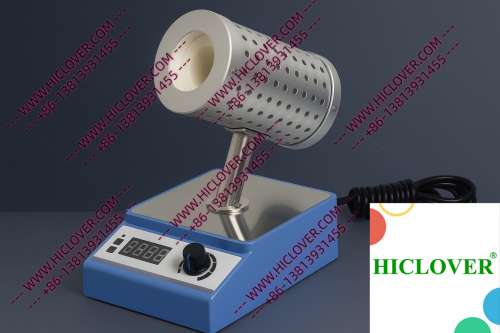
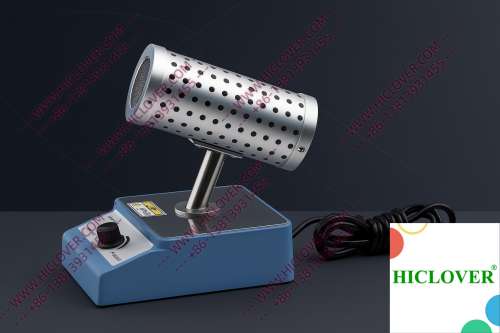
The Micro Incinerator, specifically designed for laboratory use, utilizes the principle of rapid thermal sterilization through infrared heat produced in an enclosed ceramic tube. This design allows for high-temperature disinfection without the dangers associated with open flames. The ceramic heating chamber ensures an even distribution of heat, eliminating enclosed air pockets where bacteria and viruses could survive.
One of the most impressive features of infrared inoculating loop sterilizers is their ability to reach sterilization temperatures within seconds, making them essential for efficient laboratory workflows. The enclosed design of the Micro Incinerator maintains stringent contamination control, ensuring that no aerosols escape into the clean environment of a biosafety cabinet.
Applications in Real Labs
- Biosafety Cabinets: In BSL-2 and BSL-3 laboratories, Micro Incinerators can be conveniently placed within biosafety cabinets. They allow laboratory technicians to swiftly sterilize inoculating loops while minimizing the risk of aerosol contamination, thus paving the way for safe microorganisms handling and experimentation.
- Field Testing Laboratories: For mobile or field testing labs, where portability and efficiency are paramount, the compact design of Micro Incinerators makes them an apt choice. Field researchers can quickly sterilize tools and samples without needing extensive sterilization setups or worrying about maintaining flame safety.
- University Teaching Labs: In educational environments, the Micro Incinerator can enhance opportunities for hands-on learning without the hazards of flame-based sterilization methods. Instructors can demonstrate proper inoculation techniques and microbial adherence principles in a controlled, safe setting.
- No open flames: The infrared heating mechanism ensures no risk of fire hazards, making it suitable for clean rooms.
- Reduced chemical exposure: Unlike traditional alcohol-based methods, the Micro Incinerator avoids flame-generated soot and chemical residues.
- Aerosol-free handling: The enclosed operation is critical in reducing potential biological aerosol dispersion during sterilization.
- What types of labs benefit from using a Micro Incinerator?
Biosafety labs, clinical diagnostic labs, teaching laboratories, and field research labs all benefit from the efficiency and safety offered by Micro Incinerators.
- How quickly can a Micro Incinerator sterilize tools?
Micro Incinerators can achieve sterilization temperatures in under 10 seconds, significantly improving workflow efficiency.
- Are there any maintenance requirements for a Micro Incinerator?
Yes, regular cleaning of the ceramic heating chamber is advised to maintain optimal performance and hygiene.
- Can a Micro Incinerator be used in clean rooms?
Absolutely! Its design is ideally suited for clean room environments, eliminating the risks associated with traditional flame sources.
- What safety protocols should be considered when using a Micro Incinerator?
Similar to other lab equipment, regular training on proper usage and maintenance, combined with adherence to sterilization protocols, ensures maximum safety.
Compliance and Environmental Considerations
The World Health Organization (WHO) has laid out stringent guidelines for laboratory biosafety and sterilization methods. Compliance with these guidelines is not only essential for laboratory operations in Turkey but serves as a global standard. The Micro Incinerator aligns with these biosafety measures and offers significant advantages over traditional flame sterilizers:
Unlike flame sterilizers that produce byproducts contributing to laboratory contamination, the Micro Incinerator guarantees a clean and safe sterilization process, promoting environmental sustainability. Laboratories can significantly reduce their ecological footprint through the adoption of such advanced technologies, an essential consideration amidst Turkey’s current waste crisis.
Micro Incinerator vs. Flame Burners: A Comparison
| Feature | Micro Incinerator | Flame Burners |
|---|---|---|
| Safety | No open flame, reducing fire hazards | Open flame, high risk of accidents |
| Efficiency | Rapid heating, sterilization in seconds | Time-consuming, requires constant flame monitoring |
| Contamination | Aerosol-free, minimal residue | Produces soot and aerosols, increasing contamination risk |
| Portability | Compact and lightweight | Often bulky and less portable |
| Regulatory Compliance | Meets WHO and lab sterilization standards | May not meet stringent clean room requirements |
FAQs: Understanding Micro Incinerators
Conclusion: Embrace Modern Laboratory Solutions
In the face of Turkey’s pressing waste crisis, the implementation of innovative laboratory equipment such as the Micro Incinerator presents a crucial opportunity for improved biosafety and environmental stewardship. This rapid thermal sterilization solution not only enhances workflows but also underscores a commitment to safer operational standards in our laboratories.
For those looking to upgrade their laboratory sterilization techniques, we invite you to explore our range of Micro Incinerators. Contact us today for information on how you can invest in safer, more efficient solutions tailored to your needs.
Categories:
Tags: