
In the rapidly evolving field of laboratory biosafety, the stringent demands for effective sterilization have led to innovative solutions that streamline workflows and enhance safety protocols. Many laboratories in Beijing, from clinical diagnostics to teaching institutions, face significant challenges in maintaining sterile environments while adhering to both national and global health standards. As the focus shifts towards minimizing contamination risks and improving operational efficiency, the introduction of micro incinerators has emerged as a game-changer in laboratory sterilization equipment.
The Science Behind Micro Incinerators
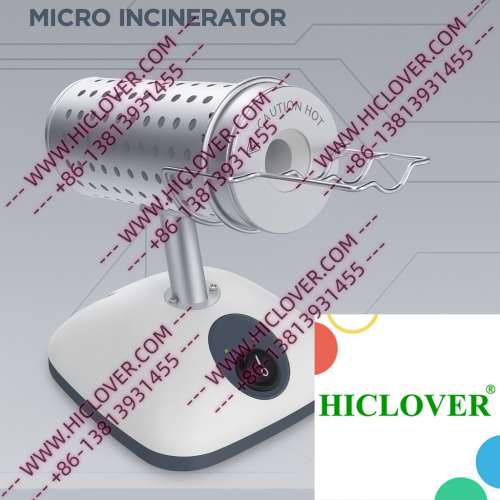
At the heart of micro incinerators, especially the Infrared Inoculating Loop Sterilizer, lies the principle of rapid thermal sterilization. Utilizing infrared radiation as the primary heat source, these devices achieve high-temperature disinfection swiftly and efficiently. The enclosed ceramic heating chamber ensures consistent and controlled temperatures, allowing for effective sterilization of inoculating loops, needles, and other small tools without the need for open flames.
This advanced design not only reduces the risk of accidental burns and fire hazards common with traditional flame sterilizers, such as alcohol lamps and Bunsen burners, but it also enables aerosol-free handling of sensitive materials. The ceramic tube’s ability to reach and maintain the optimal sterilization temperature within seconds sets micro incinerators apart as a preferred choice for laboratory environments demanding high biosafety levels.
Application Scenarios in Real Laboratories
Micro incinerators are versatile tools that find applications across various laboratory settings:
- Biosafety Cabinet Situations: In BSL-2 and BSL-3 microbiology labs, the micro incinerator serves as an essential sterilization tool within biosafety cabinets. Researchers can safely sterilize their instruments without disrupting airflow or introducing pollutants into the cabinet environment.
- Mobile or Field Testing Labs: For clinical diagnostics and environmental testing conducted outdoors, micro incinerators provide an efficient solution for sterile sample collection and handling. Operators can rely on these devices to ensure that equipment remains sterilized on-site without the need for bulky and hazardous flame equipment.
Compliance and Environmental Considerations
Adhering to compliance standards is crucial in laboratory environments. WHO biosafety guidelines and laboratory sterilization standards mandate the necessity for effective sterilization methods in order to prevent the spread of pathogenic microorganisms. With one of the significant challenges of traditional flame sterilizers being their unsuitability for clean rooms due to soot emissions and lack of containment, micro incinerators offer a compelling advantage as they produce no emissions and require no open flame.
The Environmental Protection Agency (EPA) and other regulatory bodies highlight the importance of using environmentally safe practices in all laboratory operations. By employing micro incinerators, laboratories across Beijing can ensure compliance with these standards while also enhancing their overall safety protocols.
Comparison of Micro Incinerators and Traditional Flame Sterilizers
| Features | Micro Incinerator | Traditional Flame Sterilizers |
|---|---|---|
| Heat Source | Infrared Radiation | Open Flame |
| Sterilization Time | Seconds | Variable |
| Safety | No flame risk | Burn and fire hazards |
| Emission | No harmful emissions | Smoke and soot |
| Portability | Highly portable | Bulky |
Frequently Asked Questions (FAQs)
- What makes micro incinerators safer than conventional flame sterilizers?
Micro incinerators utilize infrared radiation for sterilization, eliminating open flames and significantly reducing fire hazards and risk of burns. - Can micro incinerators be used in mobile labs?
Yes, their compact design allows for easy transportation and use in field testing environments, ensuring efficient sterilization on-site. - How do micro incinerators meet biosafety standards?
They comply with WHO and EPA recommendations by providing a sterile environment free from harmful emissions and aerosols. - What items can be sterilized with an Infrared Inoculating Loop Sterilizer?
This device is ideal for sterilizing inoculating loops, needles, and similar laboratory tools. - How quickly can sterilization be achieved with a micro incinerator?
Micro incinerators typically achieve optimal sterilization temperatures within seconds, offering rapid turnaround for laboratory tasks.
Conclusion
As laboratories in Beijing and beyond strive to meet the pressing demands of biosafety and environmental compliance, embracing innovative solutions like micro incinerators is essential. These advanced sterilization tools not only streamline workflow processes but also bolster safety practices in clinical diagnostics, teaching, and research environments. If you’re interested in enhancing your laboratory’s sterilization capabilities, consider integrating a Micro Incinerator / Infrared Inoculating Loop Sterilizer into your operations today. For inquiries or to learn more about purchasing options, please feel free to reach out.
Categories:
Tags: