
As Ghana grapples with a burgeoning waste crisis, the need for innovative waste management solutions has never been more crucial. One of these groundbreaking advancements is the utilization of Micro Incinerators, which are becoming essential tools in laboratory settings for efficient sterilization, particularly within the realm of laboratory biosafety. The Micro Incinerator, specifically the Infrared Inoculating Loop Sterilizer, represents a leap forward in addressing sterilization workflow demands and contamination control. This article delves into the laboratory biosafety challenges, technical principles, applications, and compliance standards surrounding this transformative technology.
Laboratory Biosafety Challenges
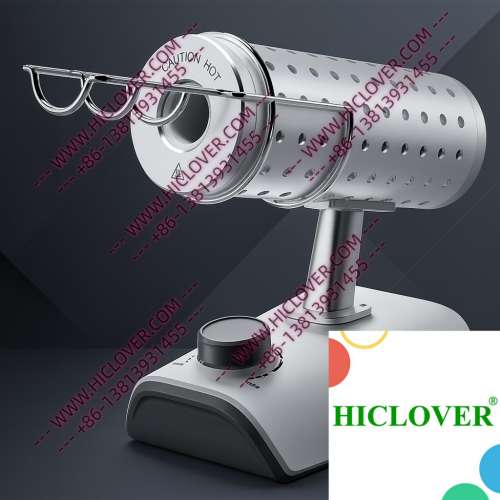
In labs, particularly those operating under BSL-2 and BSL-3 conditions, maintaining stringent sterilization and biosafety protocols is paramount. Traditional sterilization methods, such as alcohol lamps and Bunsen burners, have notable drawbacks, including risk of open flames that can compromise clean environments. These traditional methods may lead to aerosolized particles that increase the potential for contamination, making them less than ideal for sensitive applications. The demand for alternatives that can deliver rapid thermal sterilization without these risks has led to increased interest in Micro Incinerators.
Technical Principles of Micro Incinerators
Micro Incinerators operate using infrared heat, leading to high-temperature disinfection in a controlled environment. The enclosed ceramic heating chamber allows for a focused thermal process that achieves temperatures of up to 1,000 degrees Celsius. This design effectively eliminates unwanted microorganisms on inoculating loops, needles, and other laboratory instruments swiftly and safely.
Distinctive Features
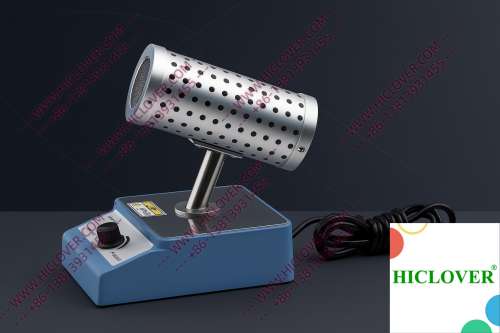
- Rapid Sterilization: Achieves effective sterilization in seconds.
- Aerosol-Free Handling: Minimizes contamination risks with no open flame.
- Energy Efficient: Consumes less energy compared to traditional options.
- Portable Design: Ideal for field testing and mobile lab environments.
This effective design is particularly advantageous in environments where contamination control is crucial, such as clinical diagnostics, university teaching labs, and in the operations of CO₂ incubators or anaerobic chambers.
Application Scenarios for Micro Incinerators
The versatility of Micro Incinerators allows for their application in a variety of laboratory settings. Here, we explore two primary scenarios:
Biosafety Cabinet Usage
In a biosafety cabinet, Micro Incinerators can serve as an essential tool for sterilization. Using the unit effectively ensures that all instruments used in the sterile environment are free from microorganisms. Unlike traditional methods, which can sometimes create hazardous aerosols, the Micro Incinerator provides a clean, safe alternative, allowing scientists to focus on their work without the worry of contamination.
Field Testing Laboratories
Field testing often presents unique challenges in maintaining laboratory standards in various environmental conditions. The portability and reliability of Micro Incinerators make them an excellent choice for field labs operating in Ghana. Here, rapid thermal sterilization reduces the likelihood of contamination during critical testing processes, ensuring that results remain valid and trustworthy.
Compliance & Environmental Considerations
Compliance with international biosafety standards is crucial for laboratory operations. Organizations such as the World Health Organization (WHO) set forth guidelines that underscore the importance of effective sterilization methods to contain biological hazards. Traditional sterilization methods using open flames may not align with modern standards of cleanliness required in specific laboratory designs like clean rooms. In contrast, Micro Incinerators adhere to these compliance requirements by eliminating open flames, making them a clean-bench-safe option.
Comparative Analysis: Micro Incinerators vs. Traditional Flame Sterilizers
| Feature | Micro Incinerator | Traditional Flame Sterilizer |
|---|---|---|
| Open Flame | No | Yes |
| Time to Sterilize | Seconds | Minutes |
| Contamination Risk | Low | High |
| Efficiency | High | Variable |
| Energy Consumption | Lower | Higher |
Frequently Asked Questions
- What is a Micro Incinerator? A Micro Incinerator is a sterilization device that uses infrared heat to achieve rapid thermal sterilization without the risks associated with open flames.
- How does the Infrared Inoculating Loop Sterilizer work? It utilizes a ceramic heating chamber that produces high temperatures to sterilize laboratory instruments efficiently.
- Where can Micro Incinerators be used? They are suitable for various laboratory settings, including biosafety cabinets, field testing labs, and educational environments.
- What are the benefits over traditional sterilizers? They provide rapid sterilization, lower contamination risks, and are more energy-efficient than traditional flame sterilizers.
- Are Micro Incinerators compliant with biosafety standards? Yes, they comply with international biosafety guidelines, making them a safe choice for laboratory operations.
Conclusion
The rise of Micro Incinerators in Ghana represents a compelling solution to the country’s pressing waste management challenges, particularly in laboratory sterilization processes. With their innovative technology ensuring rapid thermal sterilization, adherence to biosafety standards, and a significant reduction in contamination risks, these devices stand out as a pivotal advancement in lab safety and efficiency. For organizations looking to enhance their laboratory operations while keeping compliance and safety in mind, investing in a Micro Incinerator is a worthy consideration. For inquiries or to explore purchasing options, feel free to reach out today.
Categories:
Tags: