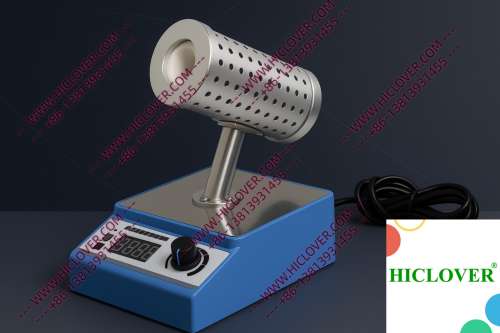
In today’s rapidly advancing scientific landscape, laboratory biosafety and effective sterilization practices have become paramount. Medical laboratories face numerous challenges, including contamination control and maintaining a sterile environment, which are crucial for the integrity of experimental results and patient safety. As laboratories continue to adapt to these complexities, innovative sterilization solutions like Micro Incinerators, particularly the Infrared Inoculating Loop Sterilizer, are emerging as essential tools in modern laboratory workflows.
Technical Principle of Micro Incinerators
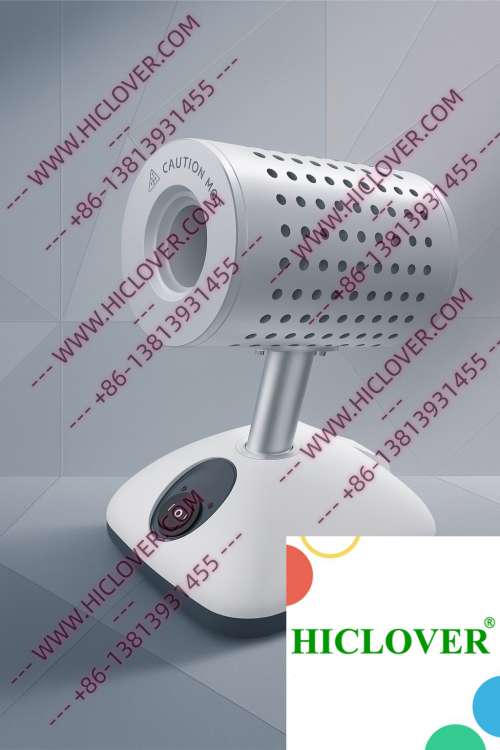
The Micro Incinerator operates on advanced infrared heating technology that provides rapid thermal sterilization. Unlike traditional flame-based methods, which can introduce risks of combustion and aerosols, Micro Incinerators feature an enclosed ceramic heating chamber that generates high temperatures uniformly. This design minimizes the dispersion of contaminants, ensuring a clean and safe operation. The infrared heat quickly sterilizes inoculating loops, needles, and other small instruments in seconds, allowing for efficient laboratory processes without the hazards associated with open flames.
Applications of Micro Incinerators in Laboratories
Micro Incinerators find extensive application in various laboratory settings, from biosafety cabinet operations to field testing environments. Below are two compelling scenarios illustrating their effectiveness:
1. Biosafety Cabinets
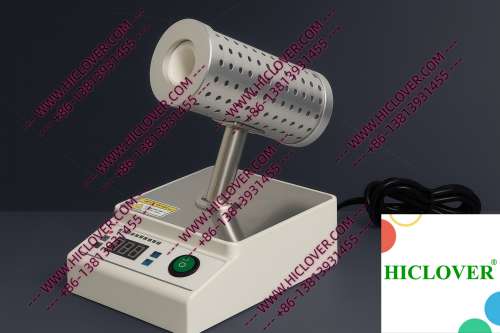
In BSL-2 and BSL-3 microbiology labs, maintaining a sterile work environment is critical. When using a Micro Incinerator within a biosafety cabinet, researchers can sterilize inoculating loops and other small tools rapidly and without generating aerosols or disturbing the sterile airflow. This is particularly vital when handling pathogenic organisms and maintaining compliance with safety regulations.
2. Field Testing Laboratories
Field testing labs often operate in diverse and non-sterile conditions, making the use of traditional flame sterilizers impractical. Micro Incinerators provide a clean, portable, and efficient solution for rapid sterilization in such environments. The compact design and lack of open flames make them suitable for transporting to various testing sites, including remote locations where biosafety practices must still be upheld.
Biosafety Compliance and Sterilization Standards
Adhering to stringent biosafety standards is essential for laboratories handling biological samples. The World Health Organization (WHO) emphasizes the need for effective sterilization protocols to mitigate any risk of contamination. Micro Incinerators comply with laboratory sterilization standards, featuring designs that eliminate open flames, making them ideal for clean rooms and other sensitive areas. By minimizing aerosol generation, they align with the best practices for infection control recommended by international regulatory bodies.
Advantages Over Traditional Flame Sterilizers
- Safety: Micro Incinerators eliminate the risk of burns and fire hazards associated with alcohol lamps and Bunsen burners.
- Efficiency: The rapid thermal sterilization process significantly reduces sterilization times compared to traditional methods.
- Environmental Control: Enclosed ceramic heating capabilities reduce contamination from evaporating alcohol or smoke.
- Easy to Use: The clean-bench-safe design allows for straightforward integration into standard laboratory workflows without special training.
Comparison Table: Micro Incinerator vs. Flame Burners
| Feature | Micro Incinerator | Flame Burners |
|---|---|---|
| Heat Source | Infrared (Enclosed) | Open Flame |
| Safety | High (No ignition risk) | Medium (Fire risk) |
| Time Efficiency | Fast (seconds) | Varies (longer) |
| Contamination Control | Excellent (Minimal aerosols) | Poor (Aerosols possible) |
| Portability | High | Medium (Requires fuel source) |
Frequently Asked Questions (FAQs)
- What is the main advantage of using a Micro Incinerator over traditional flame sterilizers?
The primary advantage lies in safety and efficiency; Micro Incinerators reduce the risk of fire hazards while providing rapid thermal sterilization. - Can Micro Incinerators be used in field testing environments?
Yes, their compact design and enclosed heating setup make them ideal for portable use in various field testing scenarios. - What measures ensure compliance with biosafety standards when using Micro Incinerators?
Micro Incinerators are designed to prevent aerosol generation and comply with WHO and other regulatory guidelines for safe laboratory practices.
Conclusion
As the demand for laboratory sterilization equipment grows, the implementation of Micro Incinerators has proven to be an innovative solution that addresses safety concerns, enhances efficiency, and complies with rigorous biosafety standards. For laboratory supply distributors, hospitals, universities, and research centers seeking reliable sterilization equipment, the Infrared Inoculating Loop Sterilizer represents a significant advancement in laboratory practices. Contact us today to explore how Micro Incinerators can elevate your laboratory’s sterilization processes.
Categories:
Tags: