
In today’s fast-paced biomedical environment, the need for effective laboratory sterilization equipment is more critical than ever. Laboratories, especially those focusing on biosafety, encounter numerous challenges concerning contamination control and compliance. Whether in a BSL-2 or BSL-3 microbiology lab or a clinical diagnostics facility, the sterilization workflow must be robust, efficient, and compliant with strict health standards. Recently, a pioneering supplier from Tokyo has introduced state-of-the-art micro incinerators, particularly the Micro Incinerator / Infrared Inoculating Loop Sterilizer, designed to meet these demands.
Understanding the Technical Principles
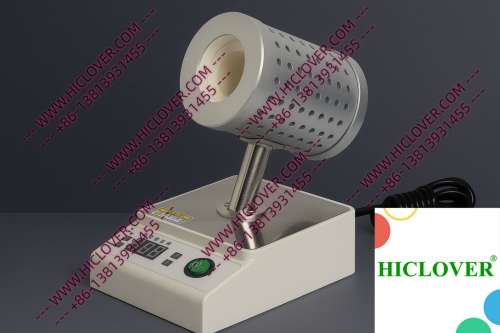
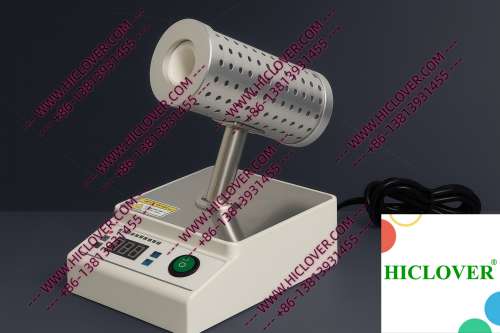
The Micro Incinerator employs innovative infrared technology that sets it apart from traditional flame sterilizers such as Bunsen burners and alcohol lamps. At the heart of this equipment is an enclosed ceramic tube that utilizes rapid thermal sterilization. When activated, infrared heat is generated and directed precisely at the inoculating loop or any sterilization instrument within the chamber. This high-temperature disinfection process ensures that all surfaces achieve a minimum sterilization threshold without the inherent risks associated with open flames.
Moreover, the design minimizes aerosol generation, making it exceptionally suitable for clean-bench-safe environments. For laboratories aiming to maintain compliance with the World Health Organization (WHO) biosafety standards, this feature is paramount. Unlike flame-based sterilization methods, the Micro Incinerator promotes a cleaner and safer working atmosphere, ideal for sensitive labs.
Applications in Real Laboratory Settings
- Biosafety Cabinets: In laboratories utilizing biosafety cabinets, the Micro Incinerator provides rapid sterilization of inoculating loops and other tools without compromising the controlled environment. The no-flame design ensures minimal risk of contamination, safeguarding sensitive cultures.
- University Teaching Labs: Educators can implement the Micro Incinerator in university microbiology teaching labs, providing students with hands-on experience in safe sterilization practices. The straightforward operation enables students to focus on learning techniques rather than worrying about the hazards of flame sterilizers.
- What types of labs can benefit from using the Micro Incinerator? The Micro Incinerator is ideal for BSL-2 and BSL-3 microbiology labs, clinical diagnostics facilities, and educational teaching labs.
- How does infrared sterilization differ from traditional flame sterilization? Infrared sterilization utilizes high temperatures generated by infrared technology in a contained space, reducing aerosol issues and fire hazards typically linked with flames.
- Is the Micro Incinerator compliant with WHO biosafety standards? Yes, the Micro Incinerator meets and often exceeds WHO biosafety and laboratory sterilization standards.
- Can this equipment be used in field testing labs? Absolutely, its portable design makes it suitable for mobile or field testing labs where sterilization is a priority.
- What are the operational costs of using the Micro Incinerator? While the initial investment is higher than flame devices, the energy-efficient operation results in lower long-term costs.
Compliance and Environmental Considerations
Adhering to local and international biosafety standards is crucial for laboratory operations. The Micro Incinerator aligns with multiple compliance frameworks, including WHO biosafety regulations. Moreover, its design eliminates the reliance on flammable substances, reducing the fire hazard prevalent with traditional gas-operated systems. This is particularly beneficial in clean rooms and other environments where flammable materials might compromise safety and accreditation.
In Tokyo—as well as in many other countries—laboratories are increasingly under scrutiny to meet environmental standards. By adopting the Micro Incinerator, facilities can demonstrate their commitment to sustainable practices. The energy-efficient operation not only minimizes the carbon footprint but also aligns with green lab initiatives worldwide.
Comparative Advantages Over Traditional Flame Sterilizers
| Feature | Micro Incinerator | Flame Sterilizers |
|---|---|---|
| Heat Source | Infrared | Open Flame |
| Safety | Low Risk of Contamination (Aerosol-free handling) | Fire Hazard |
| Efficiency | Rapid thermal sterilization | Time-consuming (requires careful operation) |
| Usability | User-friendly with minimal training | Requires expertise in flame management |
Frequently Asked Questions
Conclusion
For laboratories facing increasing pressure to maintain stringent biosafety and compliance standards, the Micro Incinerator / Infrared Inoculating Loop Sterilizer from our Tokyo supplier represents an innovative and necessary solution. Its unique features and applications across various laboratory settings underline its importance in improving sterilization workflows while ensuring safety and compliance.
If you’re ready to upgrade your laboratory sterilization equipment or explore the capabilities of this cutting-edge technology, we invite you to contact us for more information or to request a demonstration. Join the movement towards safer, more efficient laboratory practices today!
Categories:
Tags: